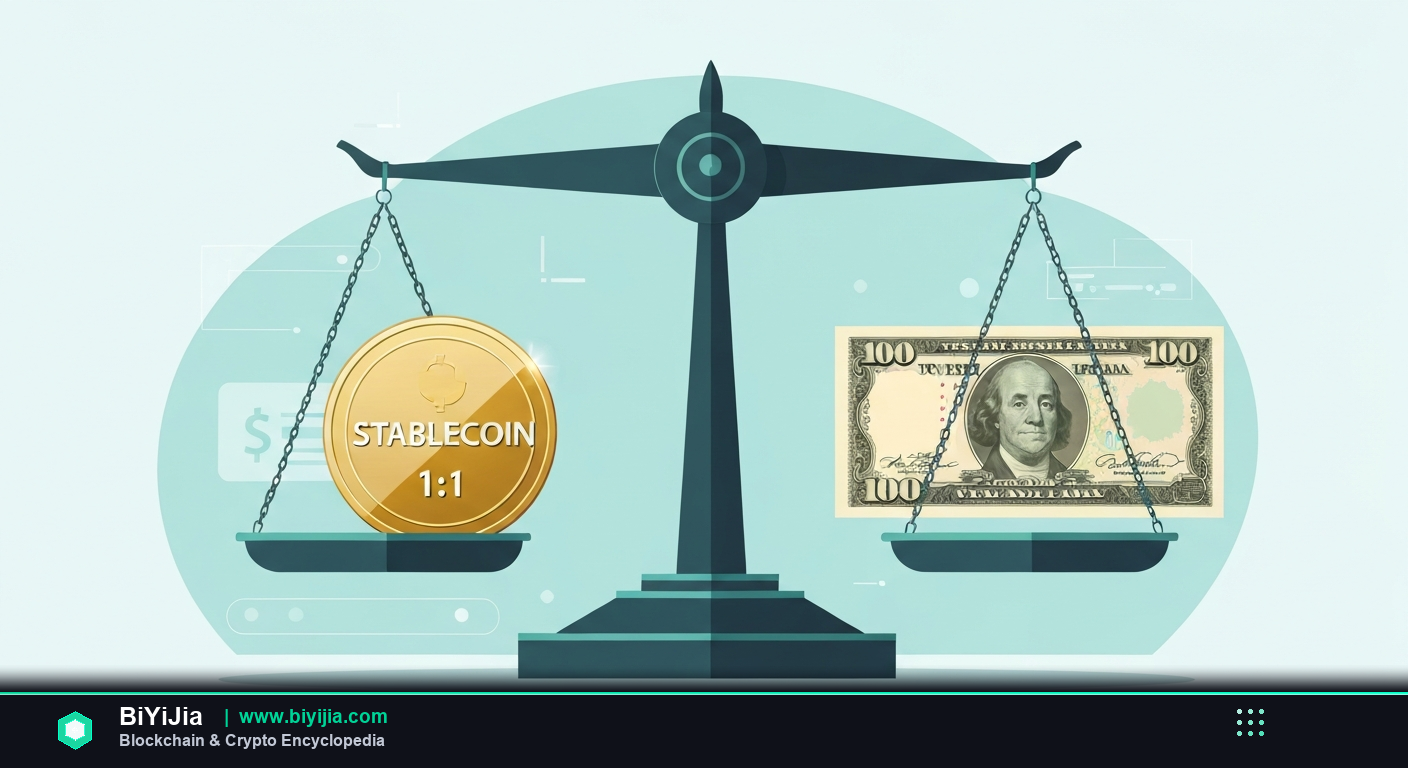
Algorithmic Stablecoin is a type of digital asset that tries to keep a stable price by automatically expanding or contracting its supply based on market demand.
Key Takeaways
- Definition: A stablecoin that uses code‑driven mechanisms instead of collateral to stay near its target price.
- Core feature: Mint/Burn cycles triggered by price oracles keep the token on‑peg.
- Real‑world use: Powers decentralized finance (DeFi) lending, trading pairs, and synthetic assets.
- Compared to collateralized stablecoins: Relies on market incentives, not locked reserves.
- Risk warning: Vulnerable to de‑peg events and algorithmic failure, as seen in the UST Collapse.
What Is Algorithmic Stablecoin?
In plain language, an algorithmic stablecoin is a crypto token that tries to stay at a fixed value by letting smart contracts automatically create or destroy coins.
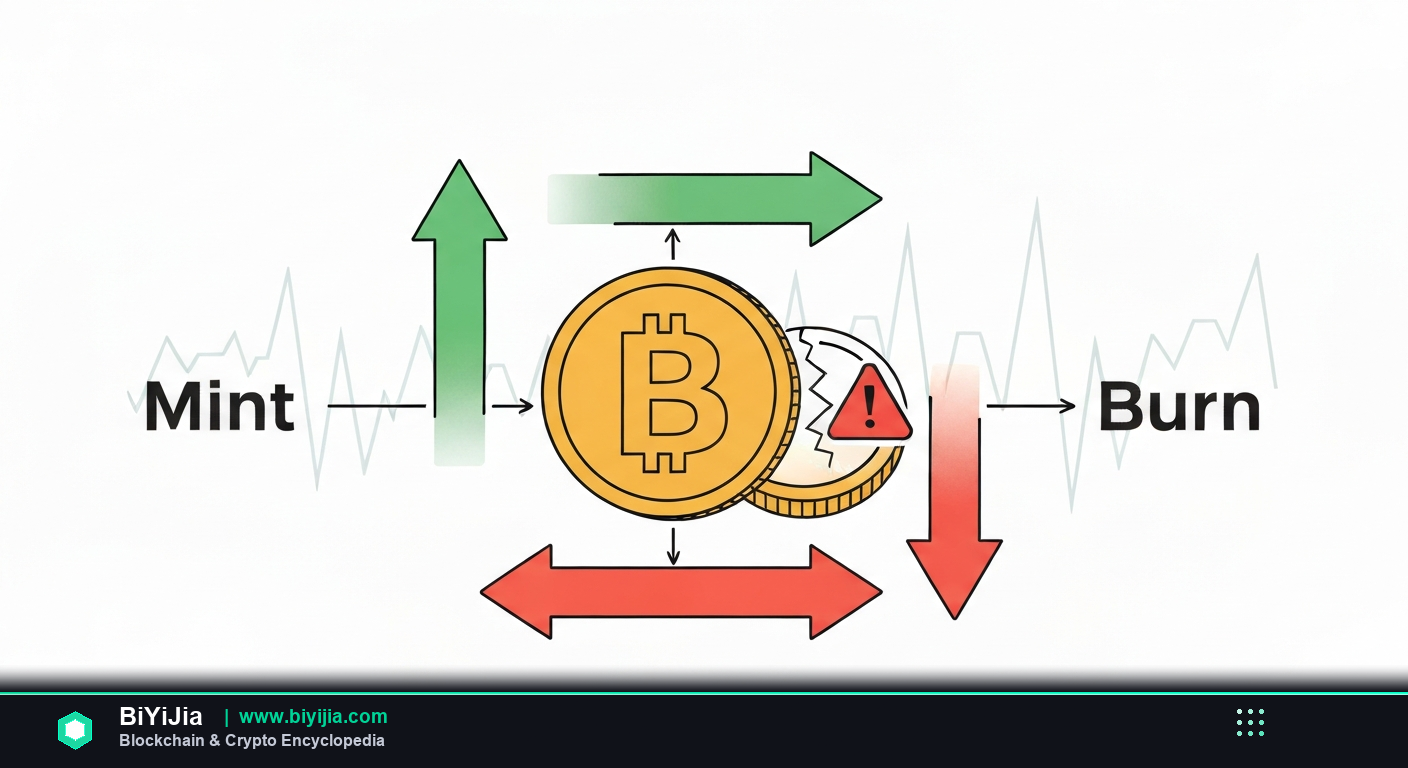
The technical idea rests on a feedback loop: price oracles report the current market price, the protocol decides whether the token is above or below the target (usually $1), and then it either mints new tokens to push the price down or burns existing tokens to pull the price up. The process is similar to a thermostat that turns heating on or off to keep a room at the desired temperature.
Think of it like a self‑adjusting water tank: when the water level rises above the set point, a valve opens to let water out; when it falls below, more water is pumped in. The algorithmic stablecoin’s code plays the role of that valve, constantly balancing supply and demand.
How It Works
- Price detection: Decentralized oracles feed the current market price into the protocol.
- Decision logic: If the price is above the peg, the system triggers a mint‑and‑sell operation; if below, it initiates a burn‑and‑buy routine.
- Incentive alignment: Users are rewarded with governance tokens or transaction fees for participating in the supply‑adjustment actions.
- Stabilization: The newly minted tokens are sold into the market, increasing supply and nudging the price down; burned tokens are removed permanently, decreasing supply and nudging the price up.
- Continuous loop: Steps repeat as long as the peg deviates, creating an autonomous stabilization engine.
Core Features
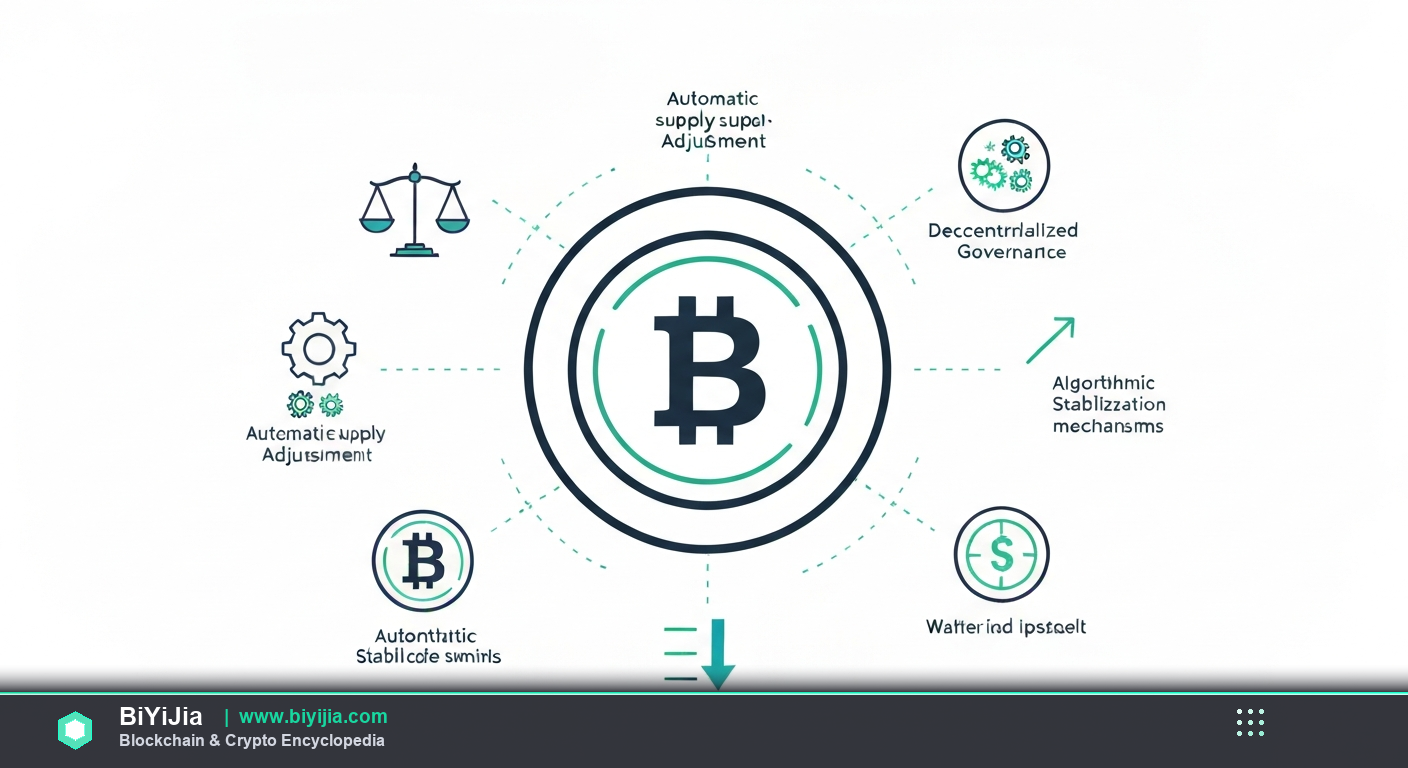
- Algorithmic Mint/Burn: Supply changes are executed automatically by smart contracts without human intervention.
- Oracle Dependence: Reliable price feeds are essential; many projects use multiple oracles to avoid manipulation.
- Governance Tokens: Holders often receive a separate token that grants voting rights on protocol parameters.
- Zero Collateral Requirement: No need to lock fiat or crypto reserves, which reduces capital costs.
- Dynamic Incentives: Rewards adjust based on market conditions to encourage participation in stabilizing actions.
- De‑Peg Risk Management: Some designs include emergency circuits or circuit breakers to halt minting during extreme volatility.
Real-World Applications
- TerraUSD (UST) – Once the flagship algo stablecoin, it aimed for a $1 peg via a mint‑burn relationship with LUNA; its collapse in May 2022 wiped out over $40 billion in market value.
- Frax (FRAX) – Hybrid model that combines algorithmic supply control with a small collateral backing; as of Q1 2026 it holds roughly $1.2 billion in circulation.
- Ampleforth (AMPL) – Uses a “rebase” mechanism that adjusts wallet balances rather than total supply, keeping the price near $1; market cap sits at about $300 million.
- Basis Cash (BAC) – Implements a three‑token system (BAC, BOMB, and BSHARE) to regulate supply; daily transaction volume averages $12 million.
- Alchemix (ALCX) – Though primarily a self‑repaying loan platform, it leverages algorithmic stablecoins to collateralize synthetic assets, managing over $850 million in total value locked (TVL).
Comparison with Related Concepts
Algorithmic Stablecoin vs Collateralized Stablecoin: The former relies on code‑driven supply changes, while the latter backs each token with fiat, crypto, or commodity reserves. Collateralized versions tend to have higher trust but lower capital efficiency.
Algorithmic Stablecoin vs Central Bank Digital Currency (CBDC): CBDCs are issued by sovereign authorities and enforce stability through legal tender status; algorithmic stablecoins are decentralized, with stability emerging from market incentives.
Algo Stable vs Traditional Stablecoin: “Algo stable” is shorthand for algorithmic stablecoin; traditional stablecoins often refer to fiat‑backed types like USDC or Tether.
Risks & Considerations
- De‑Peg Events: If the algorithm fails to attract enough participants, the token can drift far from its target, as witnessed in the UST Collapse.
- Oracle Manipulation: Bad price data can trigger erroneous minting or burning, amplifying volatility.
- Liquidity Shortfalls: Without sufficient market depth, large mint‑burn actions can cause slippage and price spikes.
- Governance Attacks: Malicious actors could acquire a majority of governance tokens and alter the algorithm to their benefit.
- Regulatory Scrutiny: Authorities may treat algorithmic stablecoins as securities or unregistered money market instruments, leading to legal uncertainty.
According to Messari, the total market cap of algorithmic stablecoins peaked at $13.2 billion in November 2022, then fell to $2.1 billion after the UST collapse (Messari, 2023). A 2024 DeFi Pulse report shows that algorithmic stablecoins represent 6 % of total stablecoin volume, up from 2 % in 2021, indicating growing but still niche adoption.
Frequently Asked Questions
What is algorithmic stablecoin?
An algorithmic stablecoin is a digital token that tries to stay at a stable price by automatically adjusting its supply through smart contracts, without holding fiat or crypto reserves.
How does mint/burn help keep the peg?
When the price rises above the target, the protocol mints new coins and sells them, increasing supply and pulling the price down. When the price falls, it burns coins, reducing supply and nudging the price up.
Can algorithmic stablecoins be used for payments?
They can, but volatility risk makes them less reliable than fully collateralized stablecoins. Some projects pair them with fast settlement layers to improve usability.
What happened during the UST Collapse?
UST relied on a one‑to‑one mint‑burn relationship with LUNA. Massive sell‑offs overwhelmed the algorithm, causing both tokens to lose value dramatically and wiping out billions of dollars in market cap.
Are algorithmic stablecoins safe for long‑term investment?
Safety depends on the robustness of the algorithm, oracle integrity, and community governance. While some hybrid models like Frax have shown resilience, pure algorithmic designs carry higher de‑peg risk.
How do I participate in stabilizing an algo stablecoin?
Users can earn rewards by buying newly minted tokens when the price is high (selling pressure) or by offering to burn tokens when the price is low. Participation usually requires a wallet that can interact with the protocol’s smart contracts.
Summary
Algorithmic Stablecoin refers to a self‑balancing crypto that uses code‑driven mint and burn actions to stay near a target price, offering a capital‑efficient alternative to collateralized stablecoins. Understanding its mechanics, real‑world use cases, and inherent risks is essential for anyone navigating DeFi in 2026.