

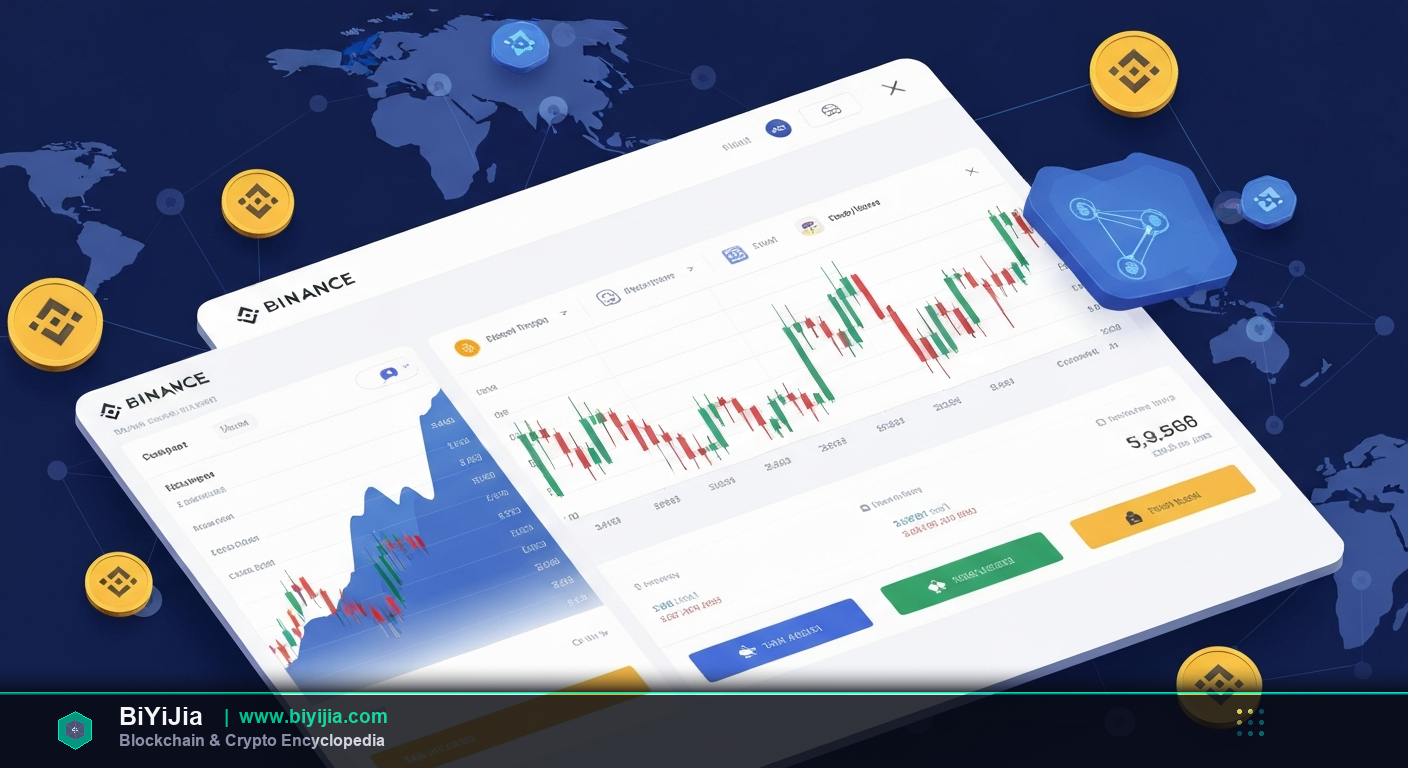
Binance is a centralized cryptocurrency exchange that serves as a gateway to Decentralized Finance (DeFi) for millions of users worldwide.
Key Takeaways
- One‑line definition: Binance is the largest crypto exchange, enabling spot, futures, and staking services.
- Core features: High liquidity, low fees, and a suite of on‑chain products like Launchpad.
- Real‑world application: Traders use Binance to move between fiat and digital assets quickly.
- Traditional comparison: Think of Binance as the NYSE for crypto, but fully digital and 24/7.
- Risk warning: Centralized custody means users trust the platform with their keys.
What Is Binance?
In plain language, Binance is the world’s biggest platform where you can buy, sell, and trade cryptocurrencies.
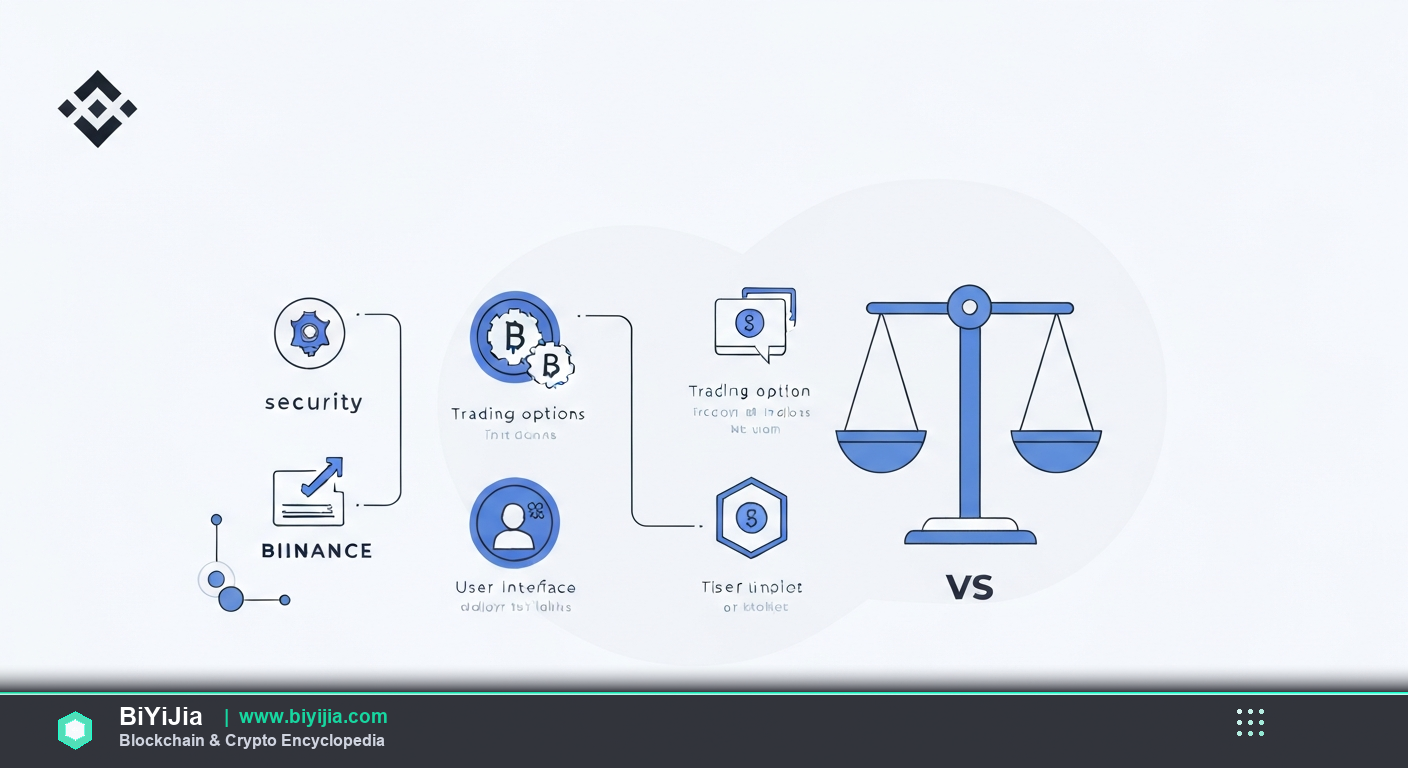
Under the hood, Binance runs a highly optimized matching engine that pairs buy and sell orders in milliseconds, supports dozens of blockchain networks, and offers both custodial and non‑custodial services through its Binance Chain and Binance Smart Chain ecosystems.
Imagine a bustling airport terminal where travelers swap tickets for flights; Binance does the same with digital tokens, matching sellers and buyers on a global runway.
How It Works
- Users create a verified account and deposit fiat or crypto into their Binance wallet.
- The platform’s order book aggregates all open buy and sell orders across markets.
- When a matching order is found, the engine executes the trade instantly, updating balances for both parties.
- Optional services like staking, lending, or Launchpad participation are offered on top of the core trading flow.
- Withdrawals are processed after internal risk checks, allowing users to move assets back to external wallets.
Core Features
Spot Trading: Immediate exchange of tokens at current market prices with deep liquidity.
Futures & Options: Leverage up to 125× on major pairs, enabling speculation on price direction.
Binance Earn: Staking, flexible savings, and locked‑term products that generate passive yields.
Launchpad: Token sale platform that gives users early access to vetted blockchain projects.
P2P Marketplace: Direct peer‑to‑peer trades that let users buy crypto with local payment methods without fees.
Real‑World Applications
- Binance Smart Chain – a high‑throughput blockchain powering DeFi apps like PancakeSwap, handling over $30 B in daily transaction volume (2025 data).
- Binance Launchpad – helped raise $1.2 B across 30 projects, with projects like Axie Infinity and Polygon gaining massive exposure.
- P2P Trading – facilitated over $15 B in fiat‑to‑crypto swaps in 2024, especially in emerging markets where banking is limited.
- Binance Earn – users collectively earned $4.3 B in staking rewards in 2025, underscoring the platform’s role in passive crypto income.
Comparison with Related Concepts
Binance vs Coinbase: Binance offers a broader range of assets, lower fees, and advanced derivatives, while Coinbase focuses on regulatory compliance and a simpler UI for beginners.
Binance vs Decentralized Exchanges (DEXs): Binance provides custodial services, instant settlement, and higher liquidity, whereas DEXs give users full control of private keys but often suffer from lower depth and slower trades.
Binance vs Traditional Brokerage: Unlike a stock broker that trades regulated equities, Binance operates 24/7, supports hundreds of crypto pairs, and integrates on‑chain services like staking.
Risks & Considerations
Custodial Risk: Holding assets on Binance means the platform controls the private keys, exposing users to potential hacks or mismanagement.
Regulatory Uncertainty: Global regulators are still defining crypto rules; Binance has faced bans in several jurisdictions, which could affect service availability.
Liquidity Swings: While generally deep, extreme market events can cause order‑book gaps, leading to slippage or temporary trading halts.
Counterparty Exposure: Features like Binance Earn involve lending to third parties; defaults could erode user balances.
Embedded Key Data
As of Q1 2026, Binance reported a daily trading volume of $3.4 B, maintaining its status as the largest crypto exchange according to CoinMarketCap.
In 2025, Binance’s user base surpassed 250 million registered accounts, illustrating its massive reach across retail and institutional segments.
Frequently Asked Questions
What is Binance and how does it differ from a decentralized exchange?
Binance is a centralized platform that matches orders internally, holds user funds in custodial wallets, and offers a suite of services like futures, staking, and token launches. A decentralized exchange (DEX) lets users trade directly from their own wallets without an intermediary, but typically offers fewer assets and lower liquidity.
How can I buy crypto on Binance without a credit card?
Through Binance’s P2P marketplace, you can purchase Bitcoin, USDT, or other tokens using local payment methods such as bank transfers, cash deposits, or mobile money. The process is fee‑free and matches you with verified sellers in your region.
Is Binance safe for long‑term storage of my assets?
Binance employs industry‑standard security measures, including cold storage, two‑factor authentication, and AI‑driven monitoring. Nevertheless, because it controls your private keys, best practice is to keep only the amount you need for trading on the exchange and store the remainder in a hardware wallet.
What fees does Binance charge for spot trading?
Standard spot fees start at 0.10 % for both makers and takers, with discounts available when you pay fees using BNB, Binance’s native token. High‑volume traders can see fees drop below 0.02 %.
Can I earn passive income on Binance?
Yes, Binance Earn offers multiple products: flexible savings, locked‑term deposits, and staking for PoS networks. Returns vary by asset, with BNB staking currently yielding around 5‑6 % annualized.
Summary
Binance stands as the largest crypto exchange, providing a comprehensive suite of trading, earning, and launch services that bridge fiat and the broader blockchain ecosystem. Understanding its core features, risks, and real‑world impact helps you navigate the fast‑moving world of crypto, especially when exploring related concepts like BNB, CZ, Launchpad, and P2P.