Key Takeaways
- Definition: A distributed ledger that securely records data in linked blocks.
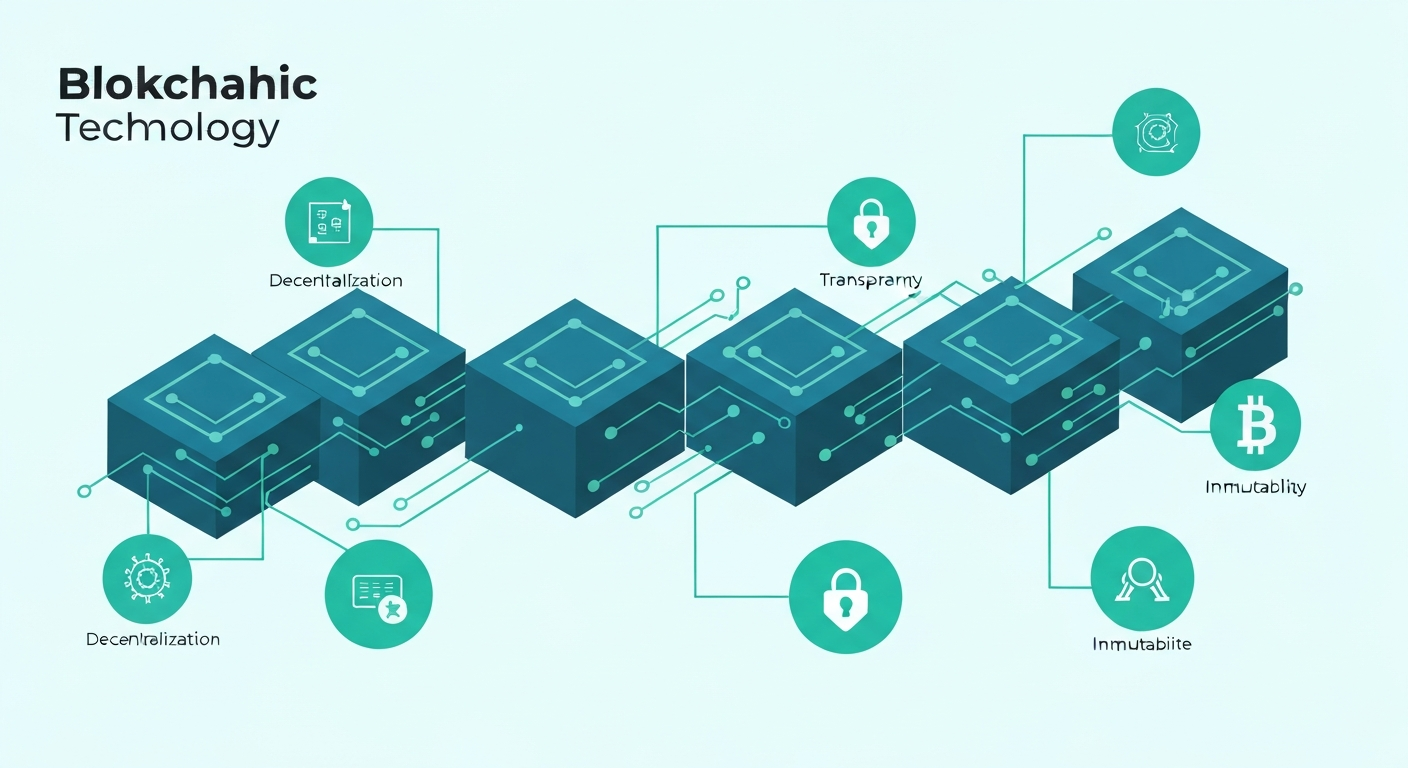
- Core features: Decentralization, immutability, consensus, transparency.
- Real‑world use: Supply‑chain tracking, cross‑border payments, NFT marketplaces.
- Compared to legacy databases: No single point of failure and built‑in trust.
- Risk warning: Implementation complexity and regulatory uncertainty can bite.
What Is Blockchain?
Blockchain is a digital ledger that records transactions in a way that’s transparent, immutable, and decentralized.
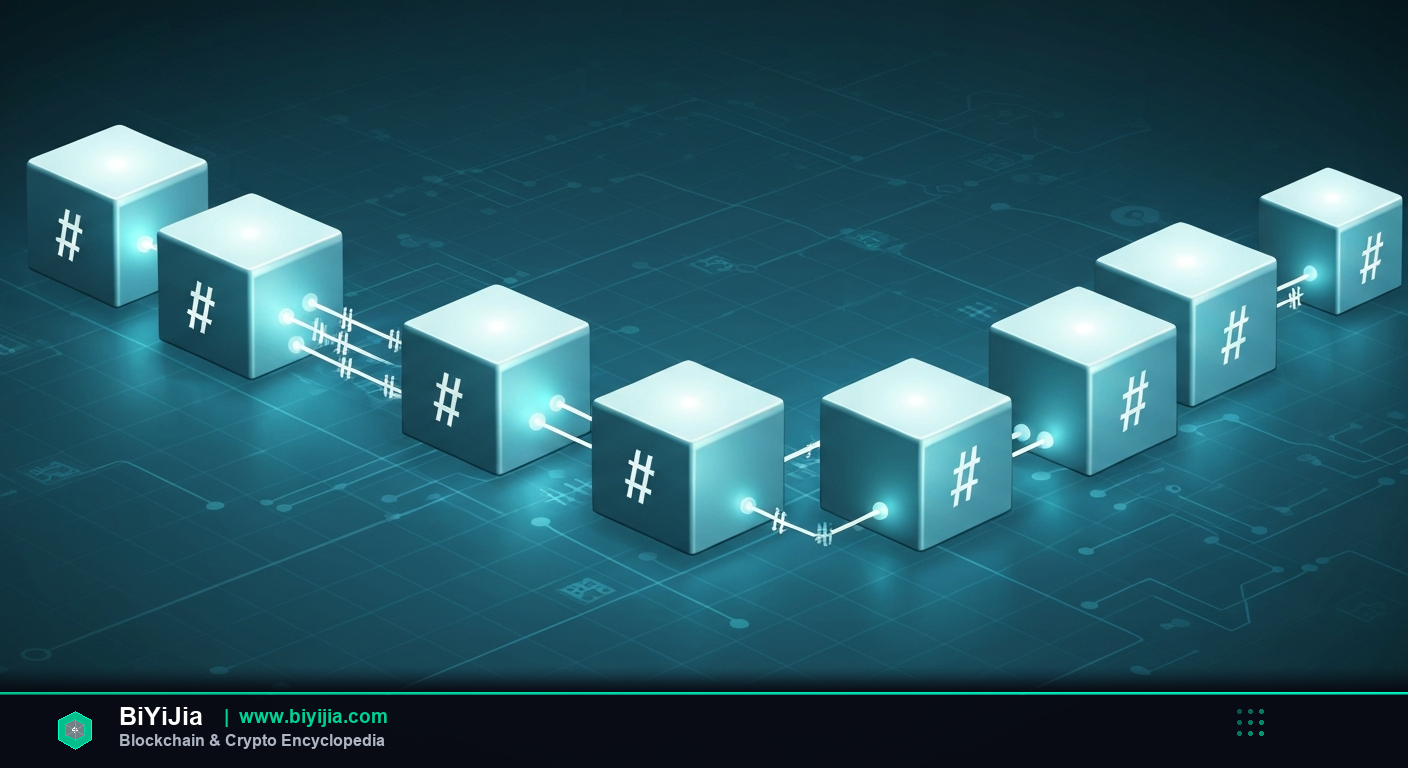
At its heart, blockchain technology strings together data packets called blocks; each block contains a batch of transactions, a timestamp, and a cryptographic hash linking it to the previous block. This chain of blocks lives on a peer‑to‑peer network of computers, known as nodes, which collectively enforce a consensus mechanism—proof‑of‑work, proof‑of‑stake, or other variants—to agree on the current state of the ledger without a central authority.
Think of it like a public spreadsheet that’s duplicated on thousands of laptops. Everyone can view and verify entries, but once a row is written and locked, nobody can alter it without the whole network noticing.
How It Works
- Transaction creation: A user initiates a transaction, which is broadcast to the network.
- Validation: Nodes verify the transaction against the existing ledger rules.
- Block formation: Validated transactions are bundled into a new block.
- Consensus: The network runs its chosen consensus algorithm to approve the block.
- Chain addition: Once approved, the block is cryptographically linked to the previous block and replicated across all nodes.
Core Features
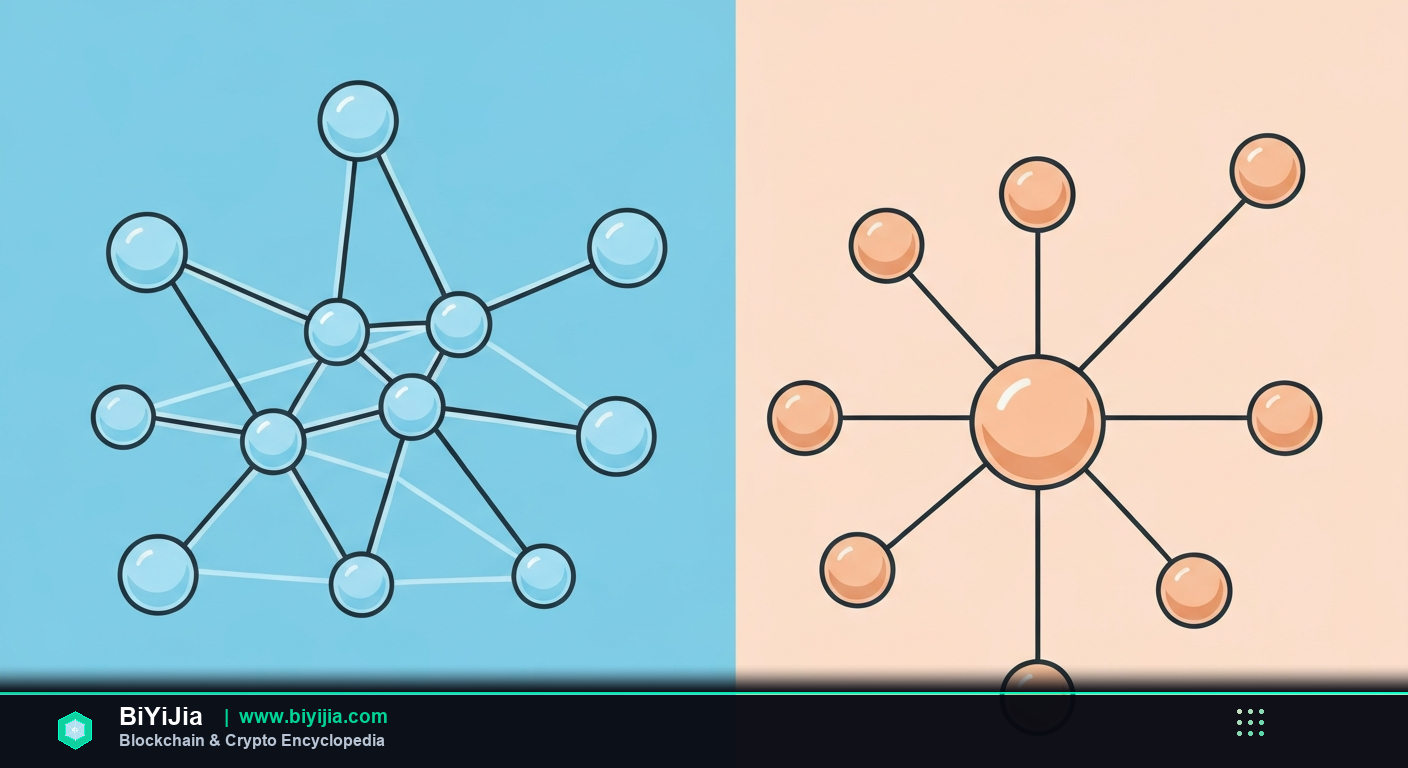
- Decentralization: No single entity controls the ledger; power is spread across participating nodes.
- Immutability: Once recorded, data cannot be altered without redoing every subsequent block, which is computationally prohibitive.
- Consensus Mechanism: Algorithms like proof‑of‑work or proof‑of‑stake ensure agreement on the ledger’s state.
- Transparency: All participants can audit the ledger, fostering trust.
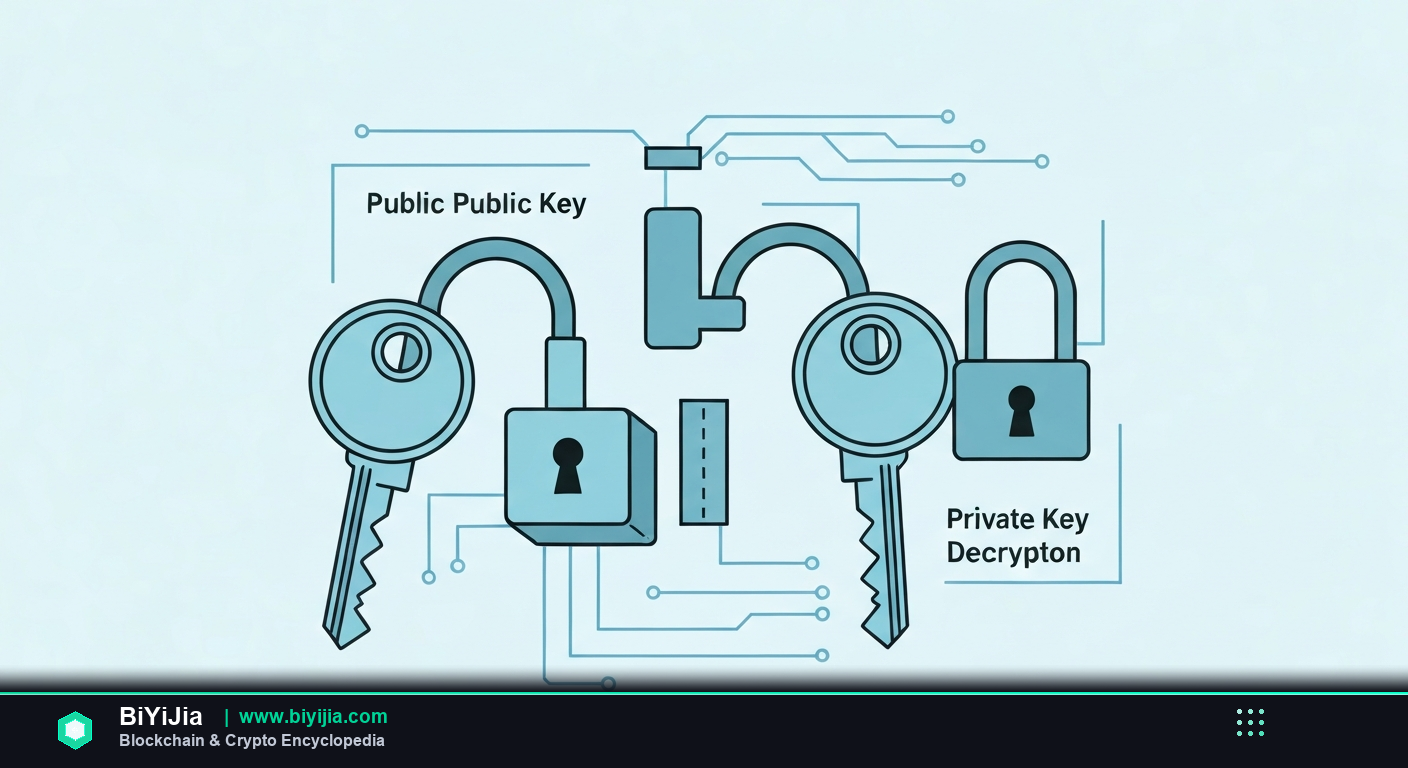
- Security: Cryptographic hashing and digital signatures protect against tampering.
- Programmability: Smart contracts enable self‑executing code on the chain.
Real-World Applications
- Ethereum: A programmable blockchain that hosts millions of decentralized applications (dApps) and powers most NFT marketplaces; as of 2025, it processes over 1.2 million transactions per day.
- IBM Food Trust: Uses blockchain to trace food items from farm to table, reducing spoilage by 30% for participating retailers.
- Ripple (XRP): Facilitates cross‑border payments for banks, cutting settlement times from days to seconds; over 300 financial institutions have joined the network.
- Polygon: A layer‑2 scaling solution for Ethereum that lowers transaction fees by up to 99%, attracting DeFi projects worth $4 billion in TVL.
- VeChain: Supplies chain verification for luxury goods and automotive parts, helping brands combat counterfeiting.
Comparison with Related Concepts
Blockchain vs Decentralization: Blockchain is a technology that enables decentralization, but not every decentralized system uses a blockchain. For example, BitTorrent distributes files without a ledger.
Blockchain vs Consensus Mechanism: The consensus mechanism is the rulebook that lets a blockchain agree on new blocks; different blockchains pick different mechanisms to balance security, speed, and energy use.
Blockchain vs Distributed Ledger: All blockchains are distributed ledgers, but a distributed ledger can be a simple database replicated across nodes without the chaining and hashing that give blockchain its immutability.
Blockchain vs Node: A node is a participant in the network that stores a copy of the ledger and helps enforce consensus; without nodes, a blockchain cannot function.
Risks & Considerations
- Scalability: High transaction volumes can lead to congestion and high fees, especially on proof‑of‑work chains.
- Regulatory Uncertainty: Governments are still shaping policies around crypto assets, which can affect adoption.
- Security Vulnerabilities: Smart contract bugs have led to multi‑million‑dollar exploits (e.g., the DAO hack).
- Energy Consumption: Proof‑of‑work networks consume significant electricity, though the industry is shifting toward greener models.
- Complexity of Integration: Legacy systems often require substantial redesign to interact with blockchain solutions.
As of 2025, over 12,000 public blockchain networks are active, processing more than 200 million transactions daily (Statista). In 2024, blockchain venture funding reached $12.3 billion, a 27% increase from the prior year (Crunchbase).
Frequently Asked Questions
What is the difference between a public and a private blockchain?
A public blockchain is open to anyone who wants to join the network and validate transactions, like Bitcoin or Ethereum. A private blockchain restricts participation to a pre‑approved set of entities, offering faster throughput and tighter control—often used by enterprises for internal processes.
How does blockchain ensure data integrity?
Each block contains a cryptographic hash of the previous block. Changing any data would alter that hash, breaking the chain. Because the altered block would have to be re‑hashed and accepted by the consensus mechanism across the entire network, tampering becomes practically impossible.
Can blockchain replace traditional databases?
Not entirely. Blockchains excel at scenarios requiring trust‑less verification and immutable history. For high‑speed, mutable data operations, traditional databases remain more efficient. Hybrid architectures often combine both.
What role does Decentralized Finance (DeFi) play in the blockchain ecosystem?
DeFi leverages blockchain’s programmable nature to recreate financial services—lending, trading, insurance—without banks. It showcases how smart contracts can automate complex workflows while keeping assets transparent and accessible.
Is blockchain energy‑intensive?
Proof‑of‑work chains like Bitcoin consume large amounts of electricity. However, many newer networks use proof‑of‑stake or other low‑energy consensus models, cutting energy use by over 99% compared to traditional mining.
How can I start using blockchain technology?
Begin by exploring wallet creation, buying a small amount of a well‑established coin, and experimenting with a testnet for smart contract development. Platforms like Ethereum’s Remix IDE let you write and deploy contracts without spending real funds.
Summary
Blockchain is a decentralized, tamper‑proof ledger that reshapes how we store and verify data. Its trust‑less architecture powers everything from finance to supply chains, and understanding it opens doors to the next wave of digital innovation. Dive deeper into related concepts like [internal link: Decentralization] and [internal link: Consensus Mechanism] to round out your knowledge.