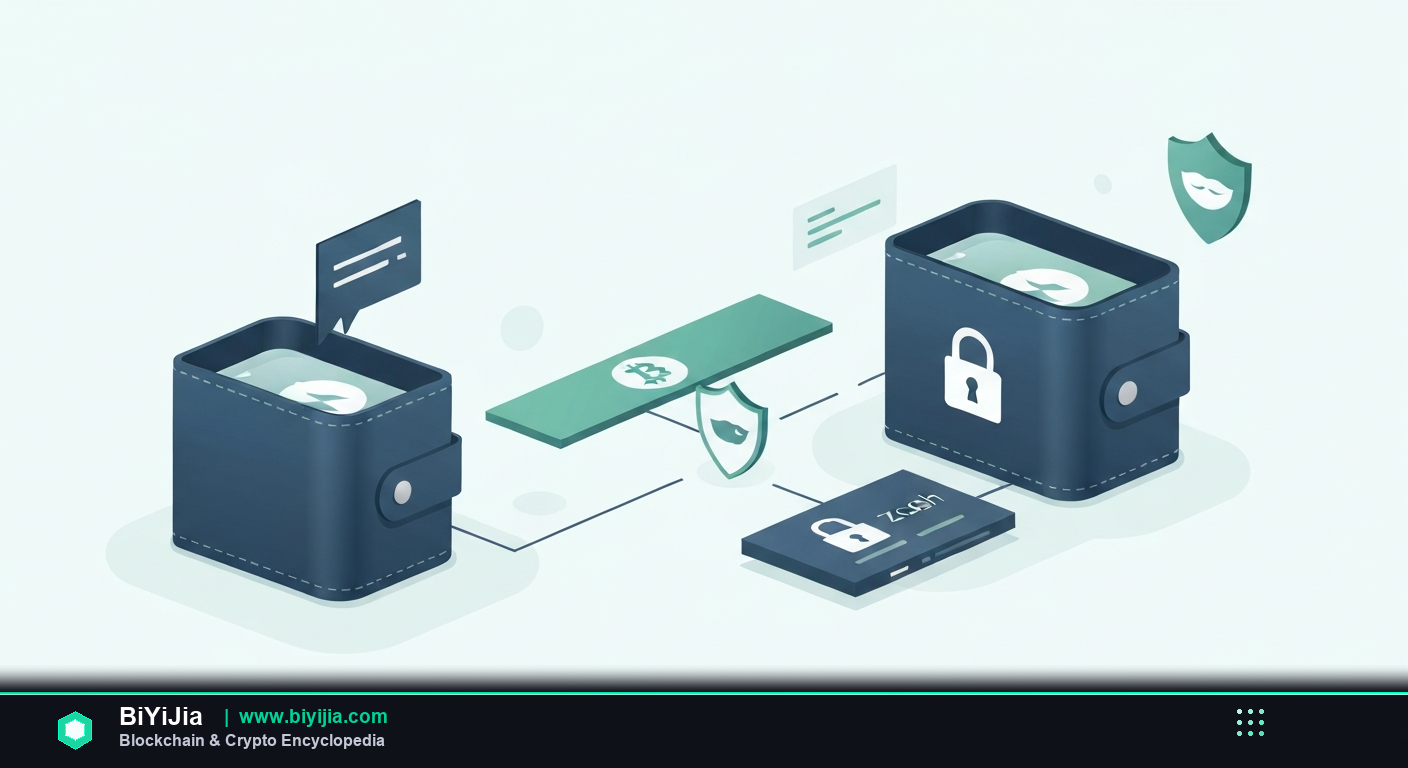

Crypto Mixer (Tumbler) refers to a service that shuffles cryptocurrency transactions to obscure their origin and destination, enhancing privacy for users.
Key Takeaways
- Definition: A crypto mixer, also called a coin tumbler, blends multiple transactions to break the link between sender and receiver.
- Core Features: Uses pooling, random delays, and cryptographic proofs to provide anonymity.
- Real‑World Use: Platforms like Tornado Cash let users hide on‑chain activity while remaining compliant with smart‑contract standards.
- Traditional Comparison: Unlike cash‑based money laundering, mixers operate on public blockchains but aim to achieve similar privacy.
- Risk Warning: Regulators scrutinize mixers for illicit use, and users may face legal or financial exposure.
What Is Crypto Mixer (Tumbler)?
In plain language, a crypto mixer is a service that takes in crypto, mixes it with other users' funds, and sends it back so the original source cannot be traced.
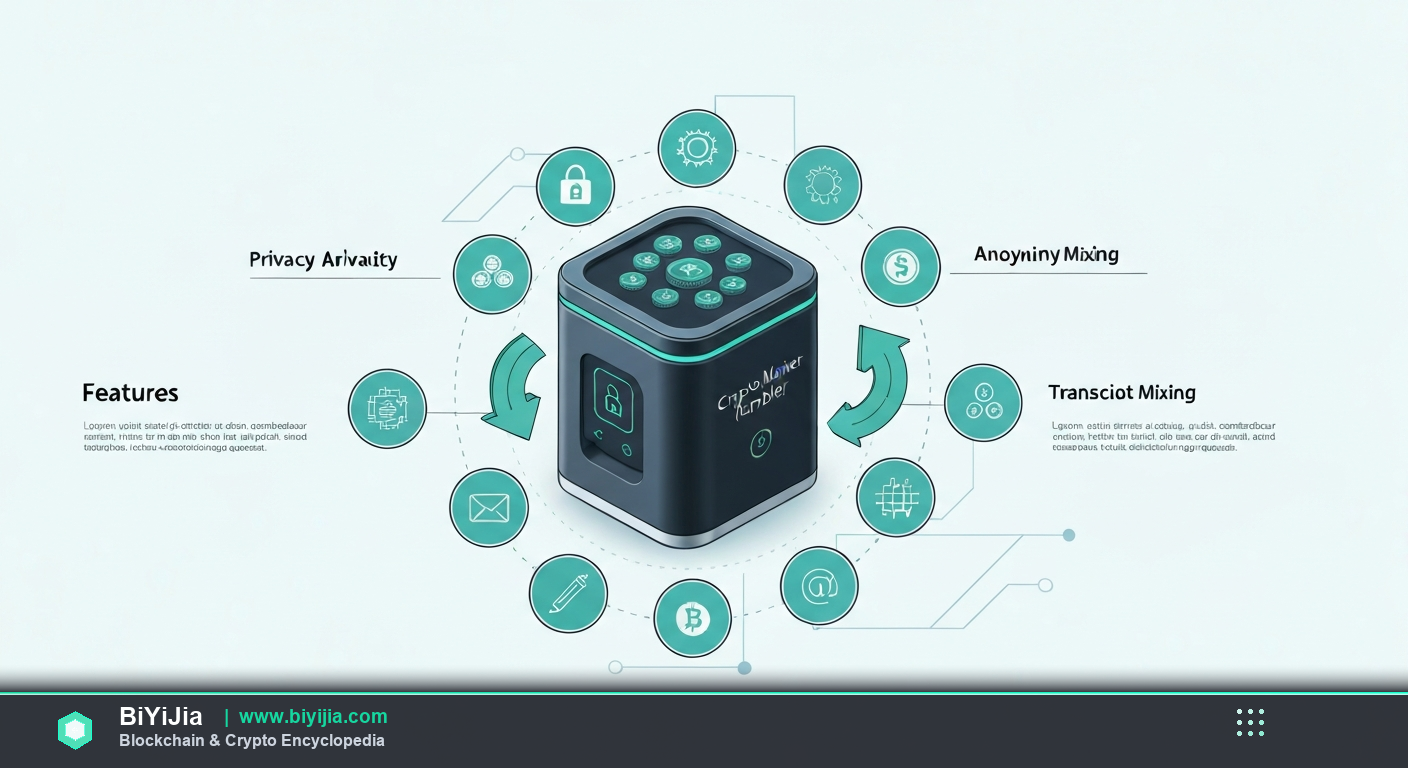
The technical side relies on pooling deposits into a smart contract, then redistributing equivalent amounts to new addresses after a randomized waiting period. Zero‑knowledge proofs or ring signatures often verify that the output matches the input without revealing which input belongs to which output.
Think of it like a laundromat for your coins: you drop dirty money in, the machine washes it with other people's money, and you walk out with clean, unrecognizable bills.
How It Works
- Users send cryptocurrency to a mixer’s smart contract, specifying an optional withdrawal address.
- The contract pools all incoming funds, breaking the direct link between each deposit and any future withdrawal.
- After a random delay, the contract releases the same amount (minus a fee) to the requested addresses, using cryptographic proofs to ensure integrity.
- Some mixers add extra layers like multi‑hop routing or decoy transactions to further confuse analysts.
- The process finishes when the blockchain records the withdrawal, leaving a trail that shows only the mixer’s address, not the original sender.
Core Features
- Pooling: Multiple deposits are combined into a single reserve, making it impossible to trace a specific output back to a single input.
- Randomized Timing: Withdrawal delays range from minutes to hours, preventing time‑correlation attacks.
- Zero‑Knowledge Proofs: Cryptographic proofs verify that funds are correctly transferred without revealing transaction links.
- Fee Structure: Mixers charge a percentage or flat fee, typically between 0.1% and 2% of the mixed amount.
- Multi‑Chain Support: Modern mixers handle assets on Ethereum, Binance Smart Chain, and emerging Layer‑2 solutions.
- Decentralized Governance: Some mixers are governed by token holders who vote on fee adjustments and upgrade paths.
Real-World Applications
- Tornado Cash: An Ethereum‑based mixer that uses zk‑SNARKs; over $1.2 billion of ETH has been mixed since its 2020 launch.
- Wasabi Wallet: A Bitcoin coin tumbler that implements Chaumian CoinJoin; reported to have mixed more than 15,000 BTC as of 2025.
- Helix Mixer: Supports multiple EVM chains and offers a privacy‑preserving token bridge; processed $300 million in cross‑chain swaps in Q4 2025.
- BitMixer (defunct): Once popular for Bitcoin anonymity, it shut down in 2023 after regulatory pressure.
According to a 2024 Chainalysis report, mixers accounted for roughly 2.3% of total on‑chain transaction volume, up from 1.5% in 2021. The same study noted that privacy‑focused DeFi protocols saw a 45% increase in user activity after integrating mixing services.
Comparison with Related Concepts
Crypto Mixer vs. VPN: A VPN hides internet traffic from ISPs, while a mixer obscures the flow of digital assets on a public ledger.
Crypto Mixer vs. CoinJoin: CoinJoin is a collaborative transaction format that mixes inputs at the protocol level, whereas a mixer is a service that automates the pooling and redistribution process.
Crypto Mixer vs. Traditional Money Laundering: Traditional laundering often involves physical cash and shell companies; mixers achieve similar anonymity purely through code and cryptography.
Risks & Considerations
- Regulatory Scrutiny: Authorities in the US, EU, and Asia have issued guidance labeling mixers as potential money‑laundering tools, leading to sanctions and exchange delistings.
- Smart Contract Vulnerabilities: Bugs in the mixer contract could result in loss of funds; audits are essential but not foolproof.
- Reputation Risk: Using a mixer may trigger compliance flags on centralized exchanges, causing account freezes or KYC escalations.
- Liquidity Shortfalls: Low pool depth can increase the chance that a withdrawal is linked to a recent deposit, reducing privacy.
- Legal Ambiguity: While privacy is a legitimate use case, some jurisdictions treat mixing as an illicit activity, exposing users to prosecution.
Frequently Asked Questions
What is a crypto mixer and how does it differ from a regular exchange?
A crypto mixer is a privacy tool that obscures the link between a sender and a receiver by pooling and redistributing funds. Exchanges, on the other hand, match buyers and sellers at market prices and keep a clear audit trail of each trade.
Is using Tornado Cash illegal?
Legality depends on jurisdiction. In the United States, regulators have labeled Tornado Cash as a facilitator of illicit activity, leading to sanctions on its token. However, the underlying technology is neutral, and many privacy advocates argue that lawful use is protected under free‑speech principles.
Can I mix any cryptocurrency?
Most mixers focus on Ethereum and Bitcoin, but newer services support ERC‑20 tokens, BNB, and Layer‑2 assets. Availability varies, and some coins lack sufficient liquidity to provide strong anonymity.
How much does a mixer typically charge?
Fees range from 0.1% to 2% of the mixed amount, often tiered by transaction size. Some platforms also impose a fixed network‑fee to cover gas costs.
Will mixing affect the value of my tokens?
Mixing does not alter the underlying token amount, but slippage can occur if the pool is shallow. Users should verify the expected output before confirming a transaction.
Are there alternatives to mixers for achieving privacy?
Yes. Techniques like stealth addresses, confidential transactions, and privacy‑focused blockchains (e.g., Monero, Zcash) provide built‑in anonymity without relying on a third‑party service.
Summary
Crypto Mixer (Tumbler) is a service that breaks the on‑chain traceability of transactions, offering a layer of privacy that is increasingly important in Decentralized Finance (DeFi). Understanding its mechanics, benefits, and risks helps users make informed choices while navigating the evolving regulatory landscape.