Key Takeaways
- Definition: An NFT is a one‑of‑a‑kind token that lives on a blockchain.
- Core features: Proven scarcity, verifiable ownership, and programmability.
- Real‑world use: Powers digital art marketplaces like OpenSea and tokenizes in‑game items.
- Comparison: Unlike Bitcoin, an NFT cannot be divided or swapped on a one‑to‑one basis.
- Risk warning: Prices are volatile, and smart‑contract bugs can lead to loss.
What Is NFT (Non-Fungible Token)?
NFT (Non-Fungible Token) is a unique digital asset stored on a blockchain that cannot be exchanged on a one‑to‑one basis with another token.
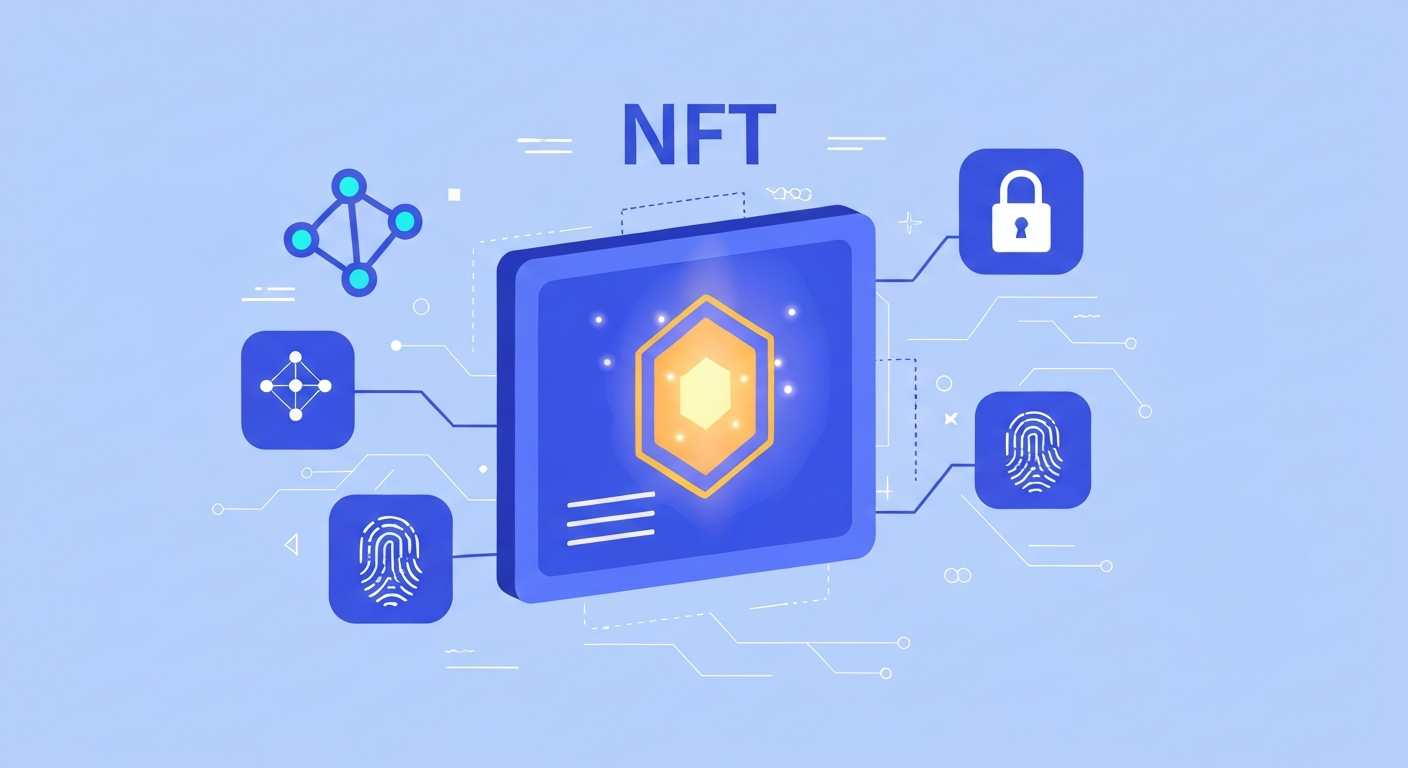
Under the hood, NFTs follow standards like ERC‑721, which assign each token a distinct identifier and metadata pointing to the underlying file—often an image, video, or piece of code. The blockchain records every transfer, so anyone can verify who owns what without needing a central authority. Because each token’s ID is different, you get true digital scarcity, something that was impossible before decentralized ledgers.
Think of an NFT like a signed baseball card: the card itself is a physical object, but the signature and serial number prove it’s the original. In the digital realm, the “signature” is the cryptographic hash, and the “serial number” is the token ID.
How It Works
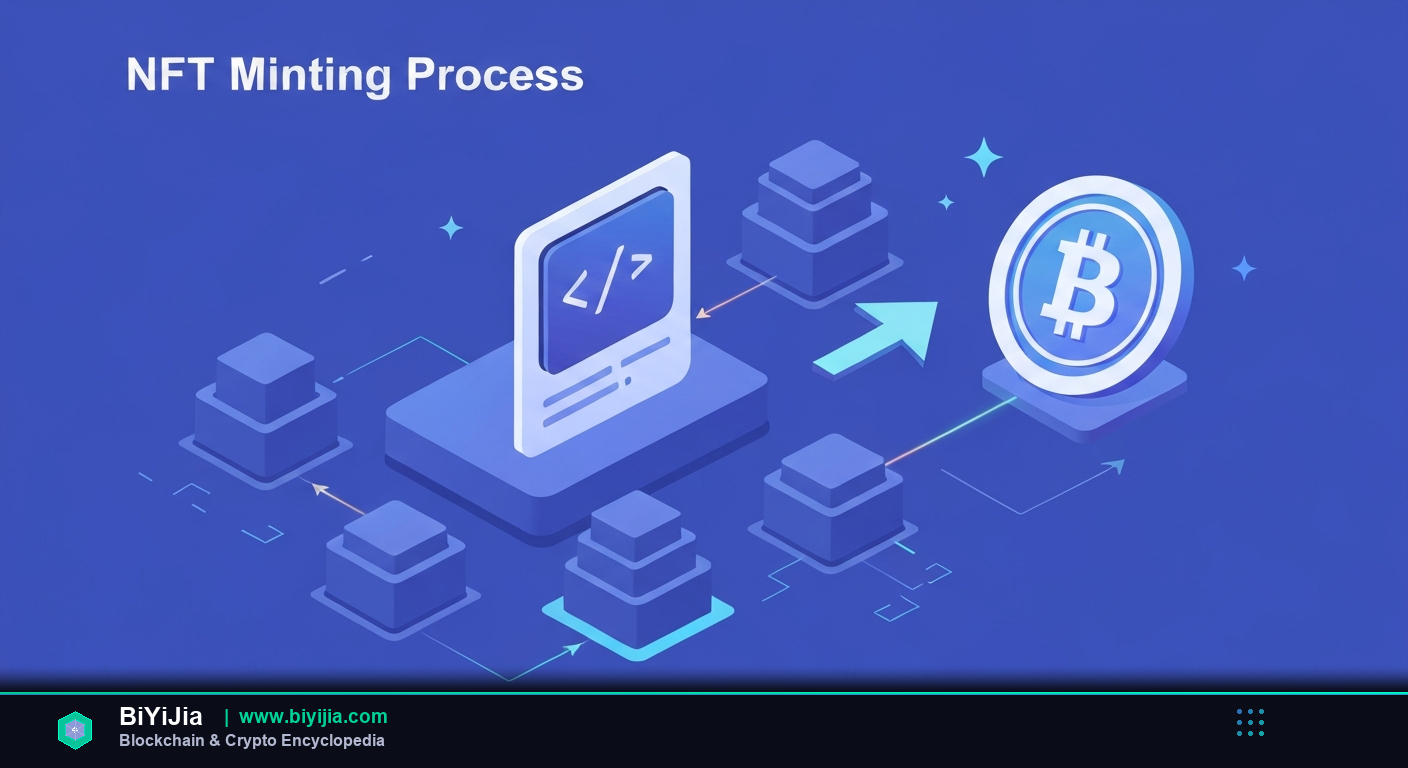
- Create (Mint) the token: An artist or developer calls a smart contract that follows the ERC‑721 standard, embedding metadata that points to the digital file, often stored on IPFS.
- Publish the token: The newly minted NFT appears on a public ledger, making its existence and ownership transparent to anyone.
- List for sale: Owners can list the NFT on marketplaces such as OpenSea, setting a price in Ether or another cryptocurrency.
- Transfer ownership: When a buyer pays, the smart contract automatically updates the token’s owner field, and the transaction is recorded forever.
- Verify provenance: Anyone can query the blockchain to see the full history of creators, owners, and price changes.
Core Features
- Uniqueness: Each token carries a distinct ID that differentiates it from every other token.
- Indivisibility: NFTs cannot be split into smaller units; you either own the whole token or nothing.
- Programmable royalties: Smart contracts can automatically send a percentage of each resale back to the original creator.
- Interoperability: Because most NFTs follow ERC‑721 or ERC‑1155, they can move between wallets and marketplaces without friction.
- Metadata flexibility: The token can point to any type of digital file—art, music, virtual land, or even a tweet.
- Decentralized verification: Ownership is provable without a central registry, leveraging the trustlessness of blockchain.
Real-World Applications
- CryptoPunks: One of the earliest avatar collections; over 10,000 unique 24‑pixel characters, with average secondary‑market price exceeding $200,000 in 2025 (CryptoSlam).
- Beeple's "Everydays: The First 5000 Days": Sold for $69 million at Christie's, marking the first major auction of a purely digital artwork (Christie's, 2021).
- Axie Infinity: A play‑to‑earn game where in‑game characters (Axies) are NFTs; the platform generated $2.3 billion in user earnings in 2023 (DappRadar).
- OpenSea: The largest NFT marketplace, processing over 5 million transactions in Q4 2025 alone (OpenSea quarterly report).
- Decentraland: A virtual world where parcels of land are minted as NFTs; total land sales surpassed $150 million in 2024 (Decentraland analytics).
Comparison with Related Concepts
NFT vs Fungible Token: Fungible tokens like Bitcoin or Ether are interchangeable; one BTC always equals another BTC. NFTs, by contrast, are each distinct, much like a rare baseball card versus a pile of identical coins.
NFT vs Traditional Collectibles: Physical collectibles rely on provenance paperwork and can be damaged. NFTs store provenance immutably on-chain and are immune to physical wear, though they depend on the health of the underlying blockchain.
NFT vs DeFi (Decentralized Finance): DeFi focuses on financial services—lending, borrowing, trading—without intermediaries. NFTs are about ownership of unique assets. Both share the trust‑less, programmable nature of smart contracts, but they solve different problems.
Risks & Considerations
- Market volatility: Prices can swing wildly; an artwork that sold for $100k one month may be worth a fraction the next.
- Smart‑contract bugs: Flaws in the minting contract can allow theft or accidental burning of tokens.
- Copyright uncertainty: Minting an image you don’t own can lead to legal disputes and takedowns.
- Environmental concerns: While proof‑of‑stake chains have reduced energy use, NFTs minted on proof‑of‑work networks still carry a carbon footprint.
- Liquidity risk: Not every NFT finds a buyer quickly; niche projects may sit unsold for years.
Embedded Key Data
In 2025, total NFT sales topped $30 billion, according to DappRadar, marking a 45% increase from the previous year. OpenSea alone reported handling over 12 million unique wallets in 2025, demonstrating the broadening user base beyond early adopters.
Frequently Asked Questions
What is an NFT and how does it differ from a cryptocurrency?
An NFT is a unique token that represents ownership of a specific digital item, while cryptocurrencies like Bitcoin are fungible—each unit is identical and interchangeable. NFTs use standards such as ERC‑721 to guarantee uniqueness, whereas cryptocurrencies follow standards like ERC‑20 for uniformity.
How can I buy NFTs safely?
Start by setting up a non‑custodial wallet (e.g., MetaMask), fund it with Ether, and browse reputable marketplaces like OpenSea. Verify the creator’s address, check the contract’s source code if possible, and always double‑check the URL before approving any transaction.
Do I need to understand blockchain to own an NFT?
Not really. Modern wallets abstract most of the complexity, letting you click “Buy” like any online purchase. However, a basic grasp of gas fees, wallet security, and the difference between minting and buying will save you headaches later.
What are the tax implications of buying and selling NFTs?
In most jurisdictions, NFT transactions are treated as property exchanges. Buying an NFT may not trigger a tax event, but selling it for a profit is usually a capital gain. Keep records of purchase price, sale price, and transaction fees to report accurately.
Can NFTs be used outside of art and collectibles?
Absolutely. NFTs are being used for real‑estate deeds, academic credentials, event tickets, and even as access keys for decentralized services. The underlying principle—provable, unique ownership—applies wherever scarcity matters.
Summary
NFT (Non-Fungible Token) is a blockchain‑based proof of ownership for a unique digital asset, enabling creators to monetize scarcity in ways traditional media never could. As the ecosystem matures, understanding how to buy NFTs, recognize risks, and spot genuine utility will be key for anyone looking to participate in the next wave of digital ownership.