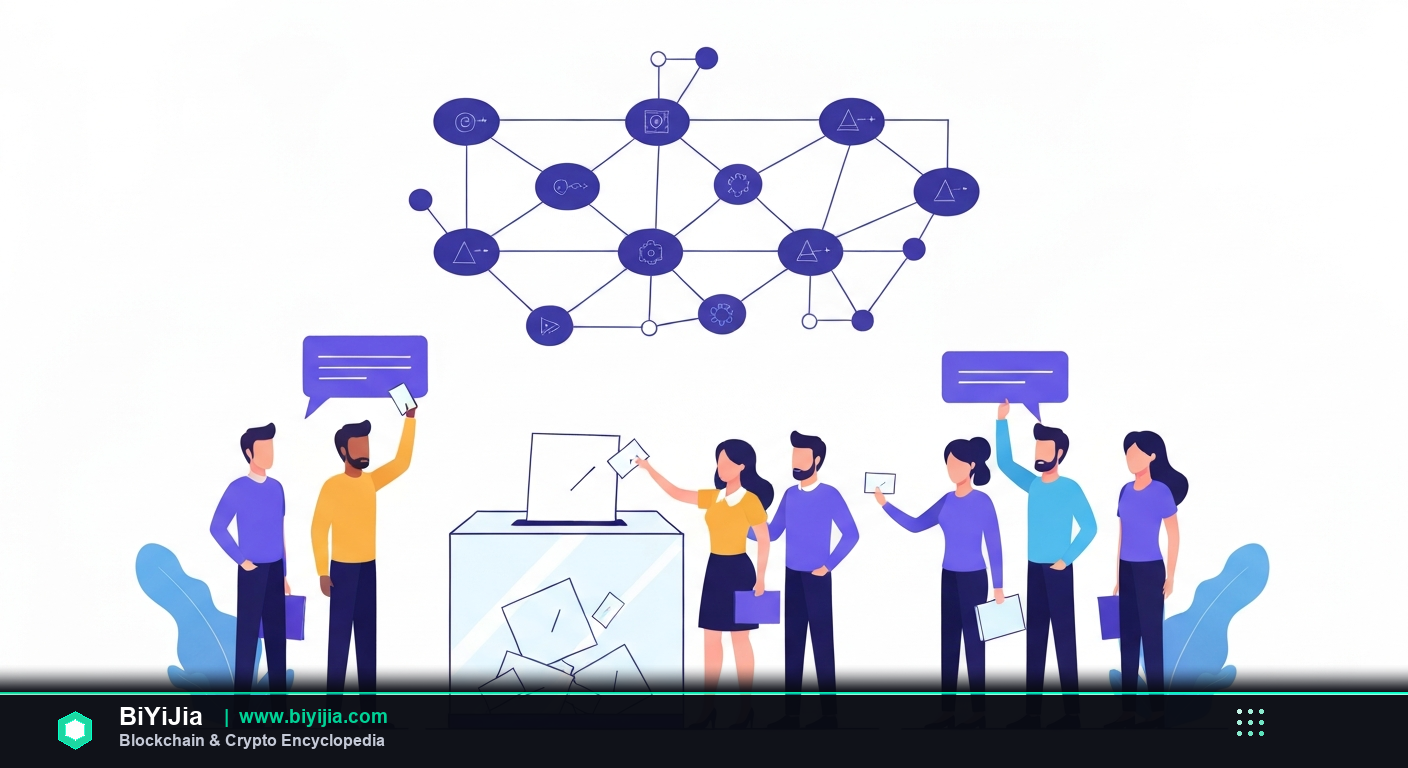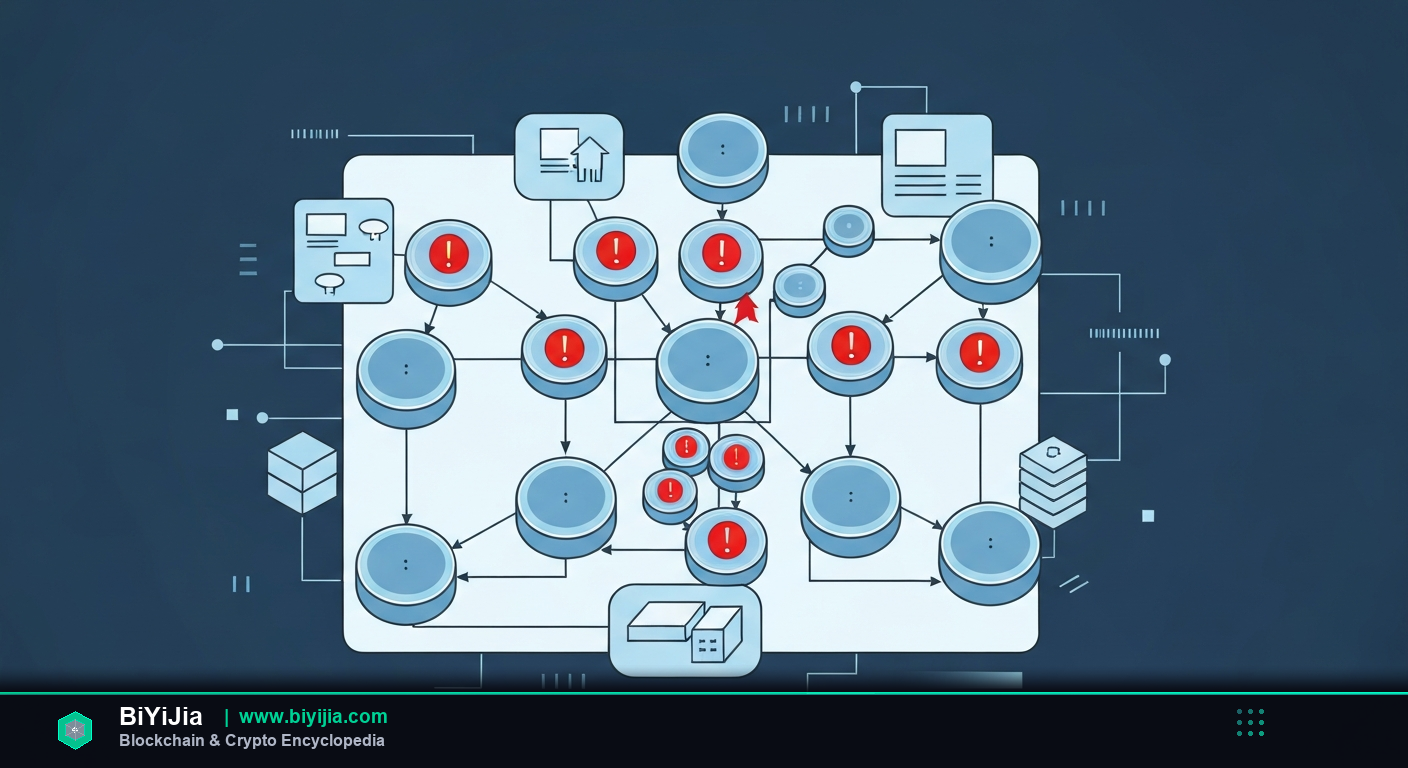
Proof of Work (PoW) is the original method Bitcoin uses to achieve decentralized trust without a central authority.
Key Takeaways
- Definition: PoW requires participants to perform computational work to add new blocks.
- Core features: Hash puzzles, energy cost, difficulty adjustment, and miner competition.
- Real‑world application: Powers Bitcoin, Ethereum (pre‑merge), and many other crypto networks.
- Comparison to traditional finance: Unlike a bank’s ledger, PoW relies on math, not trust.
- Risk warning: High energy consumption and centralization pressures on mining pools.
What Is Proof of Work (PoW)?
Proof of Work is a consensus algorithm where miners prove they have expended computational effort to validate a block.
In technical terms, miners repeatedly hash block data with a nonce until the output falls below a network‑set target; this process is called mining. The difficulty adjusts roughly every two weeks to keep block times stable, regardless of total hash power.
Think of it like a lottery where each ticket costs electricity: the more tickets you buy (hash power), the higher your odds of winning the right to write the next page of the public ledger.
How It Works
- Miners gather pending transactions and assemble them into a candidate block.
- They compute a cryptographic hash of the block header, tweaking a nonce value each try.
- If the hash is lower than the current target, the block is considered valid and broadcast to the network.
- Other nodes verify the proof; once accepted, the block is added to the chain and the miner receives a block reward plus transaction fees.
- The network automatically raises or lowers difficulty to maintain a steady block interval.
Core Features
- Computational Puzzle: Miners must solve a hash puzzle that is easy to verify but hard to find.
- Difficulty Adjustment: The network recalibrates the puzzle difficulty roughly every 2016 blocks (≈2 weeks) to keep block times consistent.
- Energy Cost: The proof requires real electricity, turning energy consumption into a security guarantee.
- Incentive Structure: Block rewards and transaction fees motivate miners to keep the network running.
- Public Verifiability: Anyone can check the proof without needing to trust the miner.
- Resistance to Sybil Attacks: Gaining majority control requires controlling >50% of total hash rate, which is economically prohibitive.
Real-World Applications
- Bitcoin – The flagship PoW blockchain, securing over 200 million daily transactions.
- \n
- Ethereum (pre‑merge) – Utilized PoW until September 2022, processing roughly 1 million transactions per day.
- Litecoin – A Bitcoin fork that offers faster block times and lower fees using the same PoW principles.
- Monero – Focuses on privacy; its PoW algorithm (RandomX) is CPU‑friendly to promote decentralization.
- Zcash – Employs a memory‑hard PoW (Equihash) to resist ASIC domination.
Comparison with Related Concepts
PoW vs Proof of Stake (PoS): PoW secures the network through energy‑intensive calculations, while PoS relies on validators locking up tokens as collateral.
PoW vs Proof of Authority (PoA): PoA grants block‑creation rights to pre‑approved identities, sacrificing decentralization for speed and low cost.
PoW vs Traditional Banking Ledger: Banks trust a central institution; PoW trusts math and competition, removing a single point of failure.
Risks & Considerations
- Energy Consumption: Global PoW networks consume more electricity than some small countries, raising sustainability concerns.
- Mining Centralization: Large mining pools can amass significant hash power, threatening the "one‑node‑one‑vote" ideal.
- Hardware Arms Race: ASIC development drives up capital costs, making entry barriers high for new miners.
- Regulatory Pressure: Governments may tax or restrict energy‑intensive mining operations.
- 51% Attack Risk: If an entity controls the majority of hash rate, it can double‑spend or censor transactions.
According to the Cambridge Centre for Alternative Finance, Bitcoin’s annual electricity consumption topped 150 TWh in 2025, roughly equivalent to the total usage of Argentina (source: Cambridge Bitcoin Electricity Consumption Index, 2025). Meanwhile, the Bitcoin network’s hash rate surpassed 400 EH/s in early 2026, indicating a massive increase in computational power (source: Blockchain.com Hashrate Dashboard, 2026).
Frequently Asked Questions
What is proof of work and how does it differ from proof of stake?
Proof of Work requires miners to solve cryptographic puzzles using computational power, whereas Proof of Stake selects validators based on the amount of cryptocurrency they lock up as collateral. PoW emphasizes energy expenditure; PoS emphasizes economic stake.
How does proof of work mining generate new coins?
When a miner successfully finds a hash below the target, the network rewards them with newly minted coins plus any transaction fees in the block. This reward mechanism both incentivizes participation and controls supply.
Why is energy consumption such a big concern for PoW?
Because the security of PoW hinges on the amount of work performed, miners compete using electricity‑heavy hardware. The cumulative demand can strain power grids and increase carbon footprints, prompting environmental debates.
Can I mine Bitcoin on a regular laptop?
In 2026, Bitcoin mining is dominated by ASICs that are orders of magnitude more efficient than consumer CPUs or GPUs. Laptop mining would be uneconomical and unlikely to earn any reward.
Is proof of work vulnerable to 51% attacks?
Yes, if a single entity controls over half of the total hash rate, they could rewrite recent blocks, double‑spend, or censor transactions. However, the enormous cost of acquiring such hash power makes attacks extremely difficult on large networks like Bitcoin.
Summary
Proof of Work (PoW) remains the bedrock of Bitcoin and several other major blockchains, using computational effort to secure a decentralized ledger. Understanding its mechanics, benefits, and risks is essential for anyone navigating the crypto space, and it ties closely to concepts like Mining, Hash Rate, and Energy Consumption.