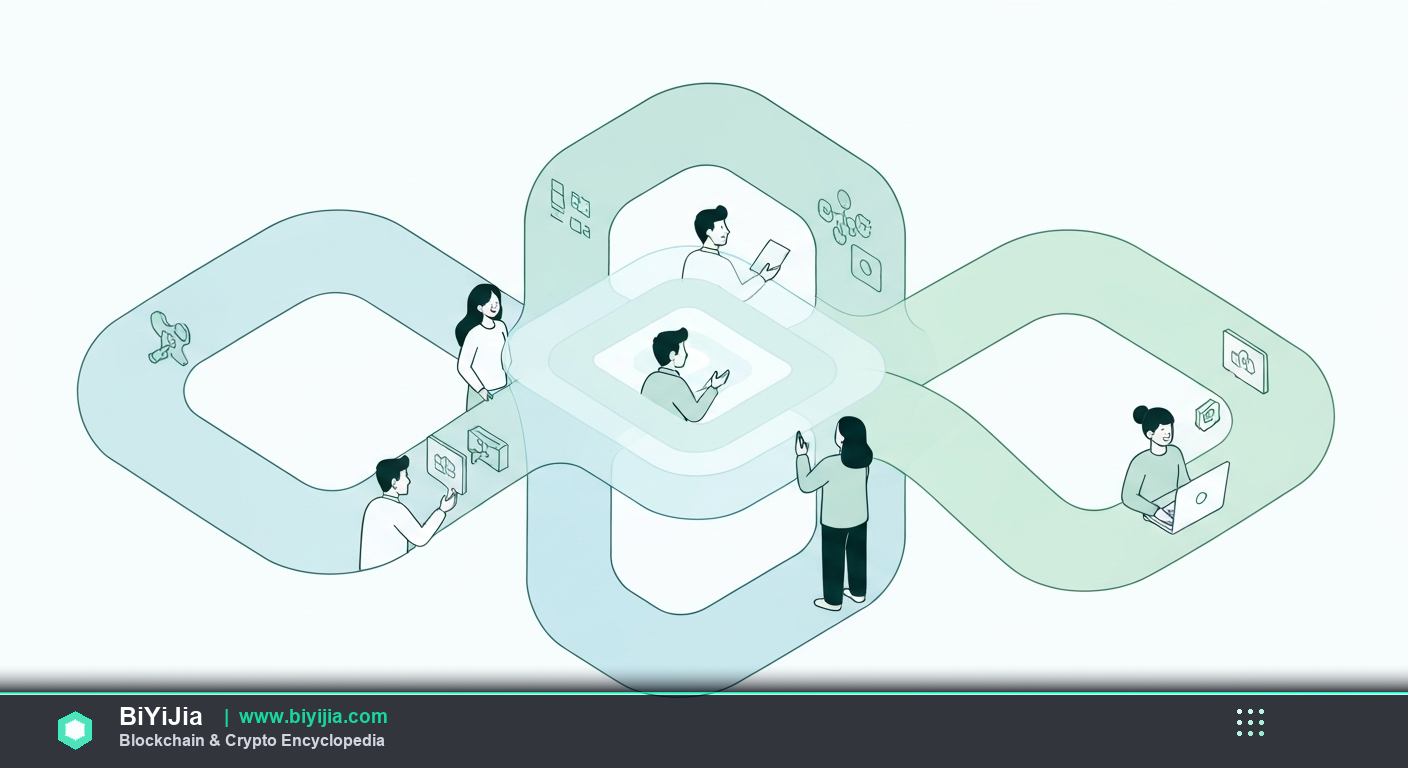
Chain Abstraction refers to a design layer that lets users interact with multiple blockchains through a single, unified interface, removing the need to manage separate wallets or transaction details.
Key Takeaways
- One‑stop UI that hides the underlying chain selection from the end‑user.
- Supports automatic routing, gas‑payment abstraction, and cross‑chain state syncing.
- Used by bridges, wallets, and DeFi aggregators to offer frictionless multi‑chain experiences.
- Differs from traditional multi‑chain setups where users manually switch networks.
- Introduces new attack vectors around routing logic and bridge security.
What Is Chain Abstraction?
Chain Abstraction is a software layer that lets a user send a transaction without specifying which blockchain will actually execute it.
Under the hood, the abstraction layer receives a high‑level intent—like “swap token A for token B”—and then decides the optimal chain, selects the appropriate bridge or liquidity source, and pays the necessary gas on the user’s behalf. The user sees only a single confirmation screen, while the backend silently handles the rest.
Think of it like ordering a coffee through an app that lets you pick “any nearby café.” You don’t need to know which shop will brew your drink; the app routes the order to the closest location, handles the payment, and notifies you when it’s ready.
How It Works
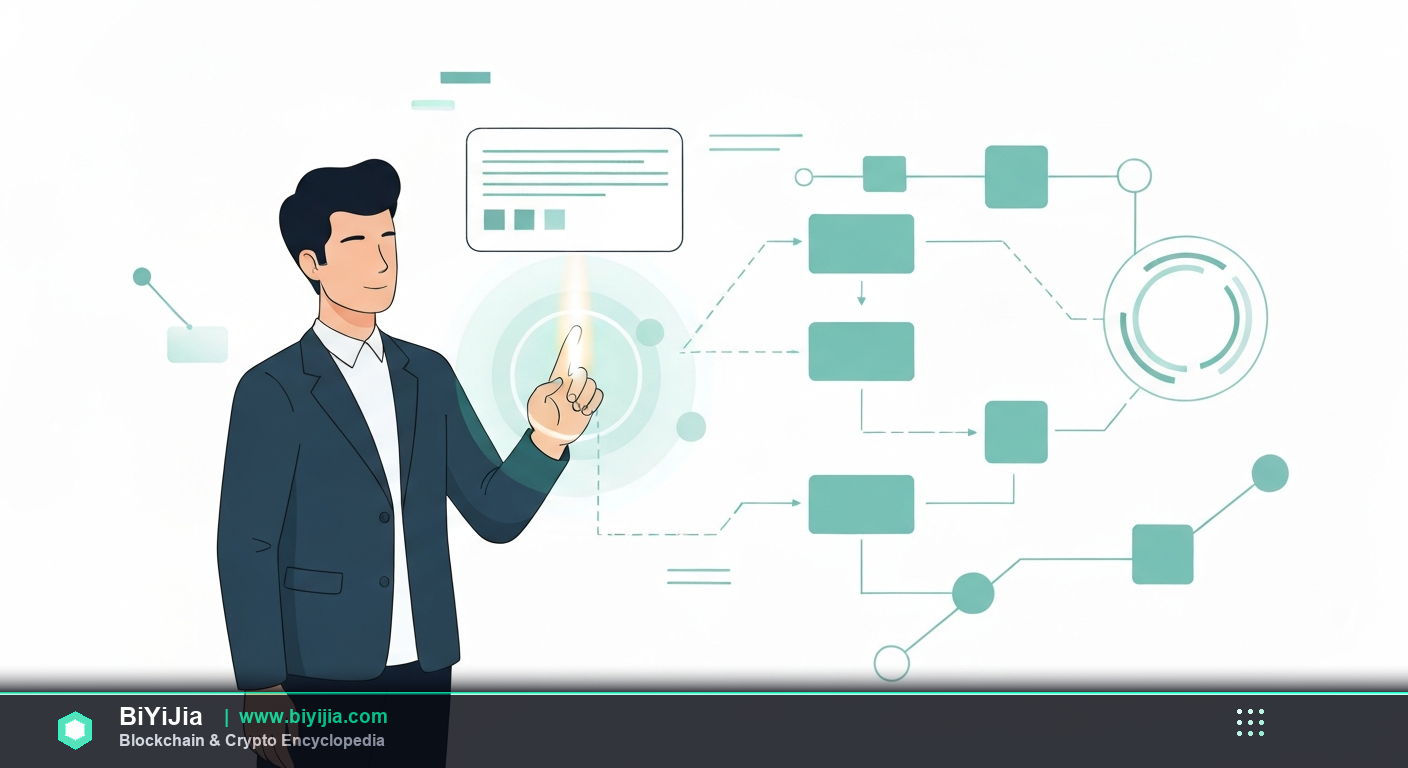
- Intent Capture: The front‑end captures a user intent (e.g., trade, deposit, withdraw) without asking for a chain ID.
- Routing Engine: A smart router evaluates gas prices, liquidity depth, and network congestion across supported chains.
- Bridge Invocation: If the chosen operation spans chains, the system calls a cross‑chain bridge or a layer‑2 rollup to move assets.
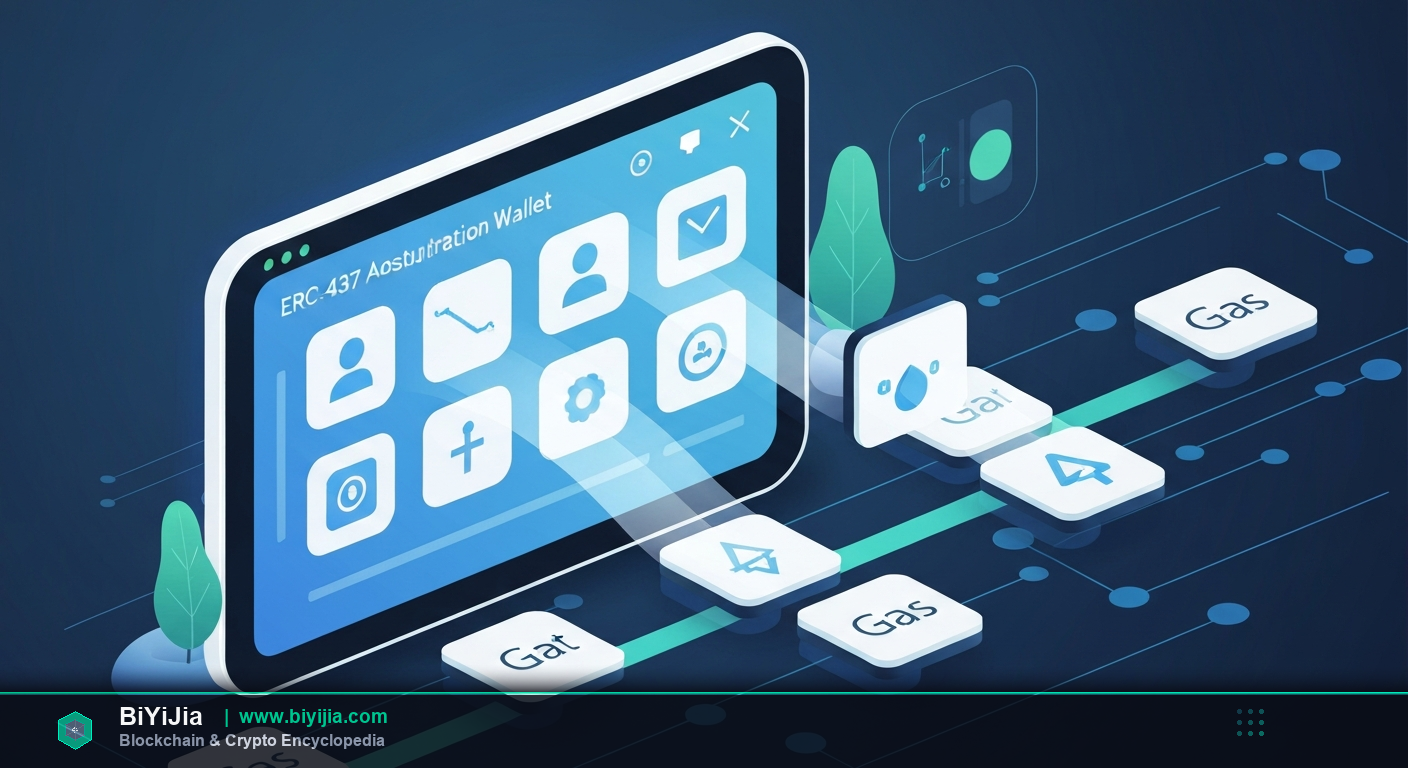
- Gas Abstraction: The platform either sponsors gas or converts a portion of the user’s assets into native gas tokens on the target chain.
- Final Settlement: Once the transaction lands on the destination chain, a receipt is sent back to the UI, confirming success.
Core Features
- Unified Intent Model: Users express what they want to do, not where they want to do it.
- Dynamic Routing: Real‑time selection of the cheapest or fastest chain based on network conditions.
- Gas Payment Flexibility: Supports meta‑transactions, sponsored gas, and automatic token‑to‑gas conversion.
- Cross‑Chain State Sync: Guarantees that on‑chain state (balances, approvals) stays consistent across chains.
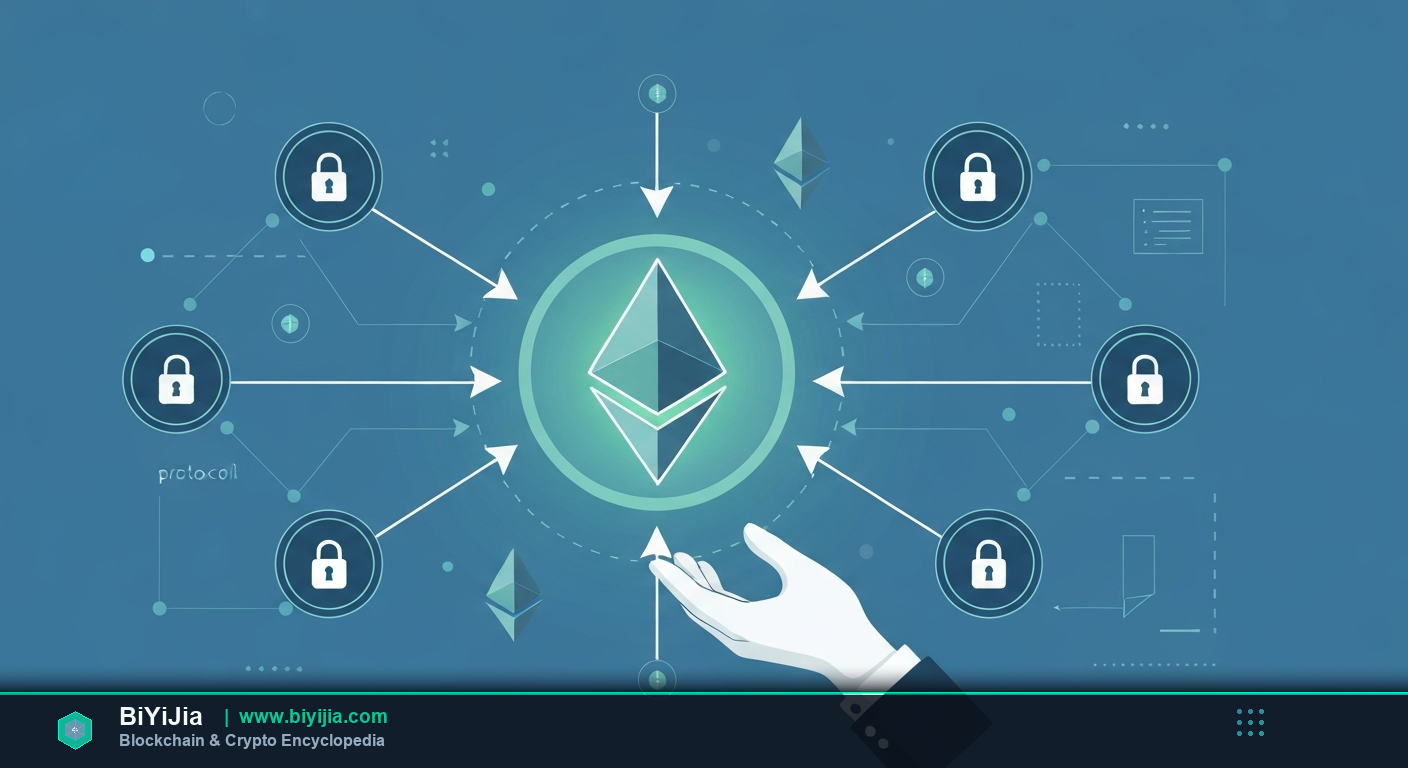
- Plug‑and‑Play Bridge Integration: Abstracts multiple bridge protocols behind a single API.
- Security Audits & Guarantees: Formal verification of routing logic and fallback mechanisms.
Real‑World Applications
- MetaMask Swaps: Allows users to trade assets across Ethereum, Polygon, and Arbitrum without manually selecting a network. In Q2 2026, it processed over 1.2 million cross‑chain swaps (source: MetaMask analytics).
- LayerZero: Provides an omnichain messaging layer that powers chain‑agnostic dApps. By the end of 2025, it facilitated $9.4 billion in value transfer (source: LayerZero report).
- Cross‑Chain Wallets like Rainbow: Offer a single wallet UI that automatically pays gas on the target chain. Rainbow reported a 38% increase in active users after launching abstraction features in early 2026.
- DeFi aggregators such as 1inch: Use abstraction to source liquidity from multiple chains in a single trade. Their multi‑chain volume grew 87% YoY to $12.3 billion in Q2 2026 (source: Dune Analytics).
- Gaming platform Axie Infinity: Implements abstraction for seamless asset movement between Ethereum, Ronin, and Immutable X, reducing friction for over 2 million players (source: Axie Infinity whitepaper).
Comparison with Related Concepts
Chain Abstraction vs Multi‑Chain: Multi‑Chain describes the existence of many independent blockchains, while Chain Abstraction is the user‑centric layer that hides that multiplicity.
Chain Abstraction vs Cross‑Chain: Cross‑Chain focuses on the technical transfer of data or assets between chains; Chain Abstraction builds on cross‑chain tech but packages it as a seamless experience for the end‑user.
Chain Abstraction vs Traditional Wallet UI: Traditional wallets require manual network switching and gas payment; abstraction automates both steps.
Risks & Considerations
- Routing Centralization: If a single service decides the optimal chain, it could become a point of failure or censorship.
- Bridge Vulnerabilities: Abstracted bridges inherit the security flaws of the underlying protocols, exposing users to hack risk.
- Gas Sponsorship Abuse: Platforms that pay gas may be gamed by bots, leading to economic loss.
- Regulatory Exposure: Abstracting transactions across jurisdictions can trigger AML/KYC complications.
- State Inconsistency: Poorly designed sync mechanisms might result in mismatched balances across chains.
Embedded Key Data
According to Dune Analytics, 42% of active crypto wallets used a cross‑chain bridge at least once in Q4 2025, highlighting growing demand for abstraction services.
A recent L2 ecosystem report shows that multi‑chain transaction volume surged 87% YoY to $12.3 billion in Q2 2026, driven largely by platforms that hide chain complexity from users.
Frequently Asked Questions
What is chain abstraction and why does it matter?
Chain abstraction is a layer that lets users interact with any supported blockchain without manually selecting a network or paying gas in the native token. It matters because it lowers friction, making DeFi, gaming, and NFTs accessible to mainstream users who otherwise would need to manage multiple wallets.
How does chain abstraction differ from a regular cross‑chain bridge?
A cross‑chain bridge simply moves assets between chains; chain abstraction builds on that technology and adds routing, gas payment, and a unified UI, turning a technical operation into a single click for the user.
Can I still choose the chain myself if I want more control?
Most abstraction platforms offer an “advanced” mode where users can override the automatic routing. This hybrid approach satisfies power users while keeping the default experience frictionless.
Is my money safe when using chain abstraction services?
Safety depends on the security of the underlying bridges and the robustness of the routing engine. Look for platforms that have undergone third‑party audits and that publish proof‑of‑liquidity or insurance coverage.
Will chain abstraction work with upcoming Layer‑2 solutions?
Yes. As new rollups and sidechains launch, abstraction layers can integrate them via standard messaging protocols like LayerZero or Axelar, ensuring future‑proof compatibility.
Do I need to hold native tokens for every chain to use an abstracted service?
No. Many services convert a portion of your assets into the required gas token on‑the‑fly, or they sponsor gas entirely, meaning you can operate with a single ERC‑20 balance.
Summary
Chain Abstraction is the glue that turns a fragmented multi‑chain ecosystem into a single, user‑friendly experience, enabling seamless swaps, deposits, and gameplay across Ethereum, Polygon, and emerging rollups. Understanding this concept is key to navigating the future of DeFi, cross‑chain UX, and the broader crypto landscape.