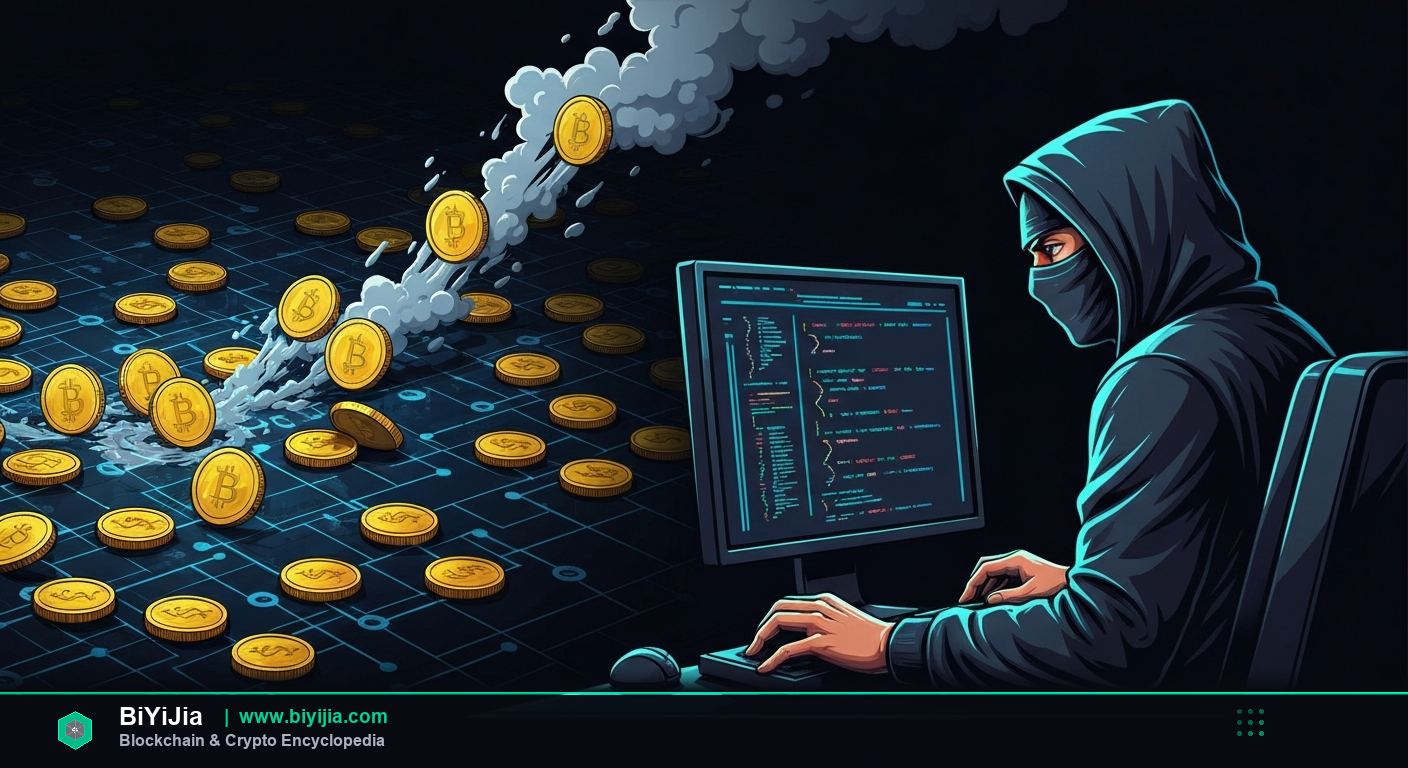
Rug Pull is a term that pops up whenever you search for what is a rug pull, and it usually signals trouble for token holders.
Key Takeaways
- Definition: A sudden, malicious exit by a project’s creators that drains all liquidity.
- Core feature: The scam hinges on the ability to control a token’s liquidity pool.
- Real‑world example: Several DeFi token launches in 2023 vanished overnight, wiping out millions.
- Traditional comparison: Like a Ponzi scheme, but the loss occurs instantly rather than over time.
- Risk warning: Even audited projects can be rug‑pulled; always verify who controls the liquidity.
What Is Rug Pull?
In plain language, a rug pull is when a crypto project’s creators disappear with the investors’ money, leaving the token worthless.
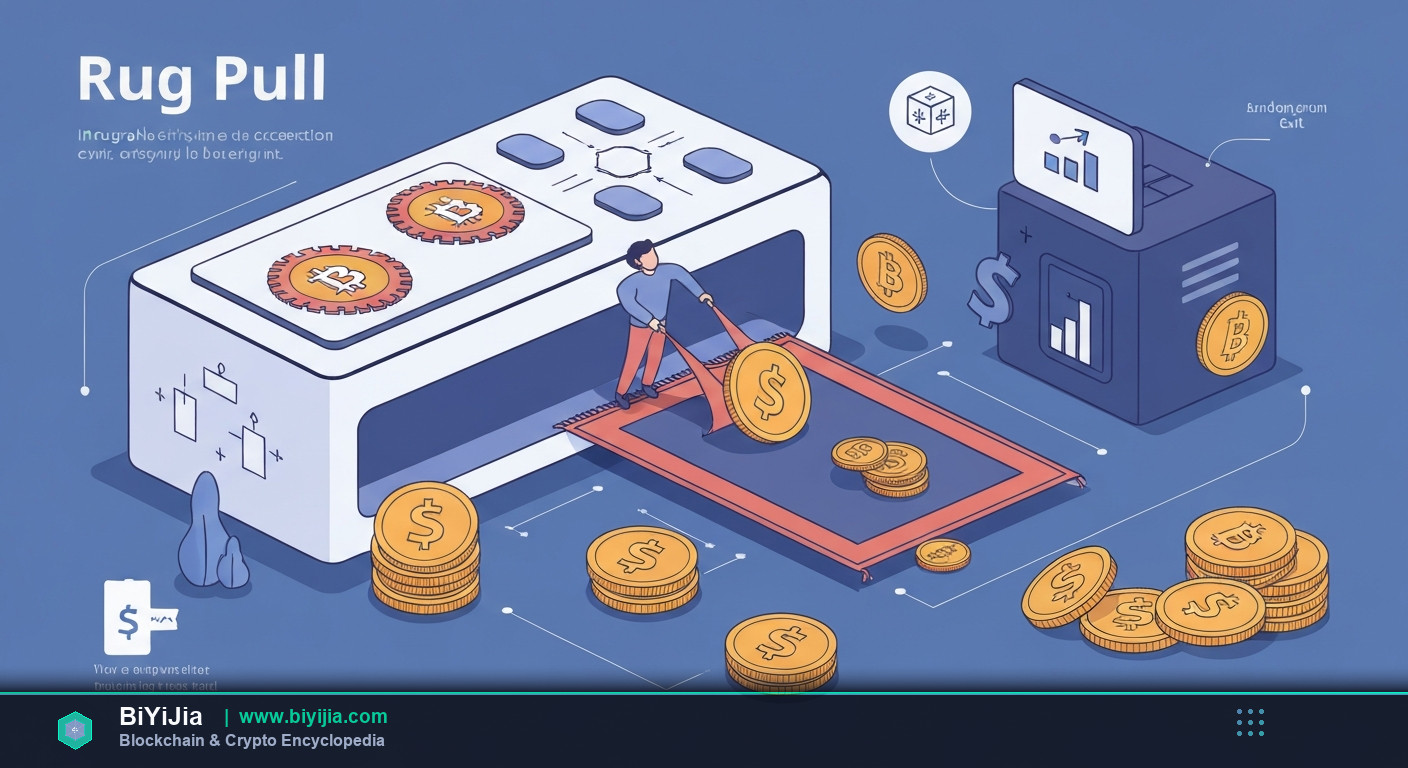
Technically, most rug pulls happen in Decentralized Finance (DeFi) environments where a smart contract holds a liquidity pool on a decentralized exchange. The developers retain admin rights, allowing them to withdraw the pooled assets in a single transaction. Once the liquidity is gone, there’s no market depth, and any remaining token holders can’t sell at any reasonable price.
Think of it like walking into a pop‑up shop that looks legit, buying a product, and then the shop owner pulls the rug from under you and runs out the back door with your cash.
How It Works
- Developers launch a new token and pair it with a stablecoin on a DEX, creating a liquidity pool.
- The token contract includes a hidden “owner” function that can modify or withdraw the pool.
- Marketing hype drives demand, inflating the token’s price and luring investors.
- At the peak of hype, the owners execute the hidden function, pulling out all the stablecoins and leaving the token stranded.
- The token’s price crashes to near zero, and investors are left holding an asset with no resale value.
Core Features
- Liquidity Drain: The hallmark of a rug pull is the immediate removal of liquidity from the pool.
- Owner‑only Functions: Smart contracts often contain privileged functions that only the deployer can call.
- Hype‑Driven Demand: Aggressive marketing creates a short‑term buying frenzy.
- Irreversible Transactions: Once the funds are moved, blockchain immutability prevents recovery.
- Low Transparency: Many projects hide the ownership details or provide vague audit reports.
- Rapid Collapse: The token’s value typically plummets within minutes after the pull.
Real-World Applications
- PolyZap: A yield‑farm token that vanished in June 2023, taking $12 million of user funds.
- MoonShot Finance: Promised 5,000% APY, then withdrew $3.4 million of liquidity in a single transaction.
- GorillaSwap: A DEX interface that pretended to be a fork of Uniswap; the team drained $7.1 million of pooled assets.
- StarSeed Token: Launched with a celebrity endorsement, only to disappear with $1.9 million of investor capital.
- MetaMeme: A meme token that raised $4.5 million in a week before the developers executed a rug pull.
Comparison with Related Concepts
Rug Pull vs Scam: All rug pulls are scams, but not every scam is a rug pull; scams can include phishing, fake ICOs, or Ponzi schemes that don’t necessarily involve liquidity removal.
Rug Pull vs Liquidity Drain: Liquidity drain describes the technical act of moving funds, while rug pull refers to the broader malicious intent behind that act.
Rug Pull vs DeFi Risk: DeFi risk encompasses many hazards—smart‑contract bugs, oracle failures, and market volatility—whereas rug pull is a specific intentional exploit.
Rug Pull vs Audit: An audit aims to verify code safety; however, a rug pull can still happen if the auditors miss hidden admin functions or if the team changes the contract after the audit.
Risks & Considerations
- Ownership Concentration: When a single address controls the liquidity pool, the risk of a rug pull spikes dramatically.
- Absence of Third‑Party Audit: Projects without reputable audits are more likely to hide malicious code.
- Anonymous Teams: Lack of verifiable identities makes accountability impossible.
- Unsustainable APY Promises: Extremely high yields often mask an underlying exit strategy.
- Cross‑Chain Bridges: Tokens that rely on bridges can be pulled from one chain while the other remains untouched, complicating recovery.
Embedded Key Data
According to Chainalysis, rug pulls accounted for $2.7 billion in losses in 2023, representing 23% of total DeFi thefts that year. The same report highlighted that 68% of newly launched tokens in Q4 2024 lacked any third‑party audit before becoming publicly tradable.
Frequently Asked Questions
What is a rug pull in simple terms?
A rug pull is a fraudulent act where the creators of a crypto token abruptly withdraw all the liquidity from its market, leaving investors with a token that can’t be sold for any meaningful value.
How can I spot a potential rug pull before investing?
Look for red flags such as a single wallet owning most of the token supply, no verifiable team members, unusually high promised returns, and the absence of a reputable audit report. Checking the contract for owner‑only functions on block explorers can also help.
Are audited projects immune to rug pulls?
No. Audits can miss hidden admin privileges or the project may change the contract after the audit. While an audit lowers risk, it’s not a guarantee against a rug pull scam.
What should I do if I fall victim to a rug pull?
Unfortunately, blockchain immutability means the funds are likely unrecoverable. Reporting the incident to blockchain analytics firms and law‑enforcement agencies can help track the perpetrators, but personal recovery is rare.
Is there any regulation that protects investors from rug pulls?
Regulatory frameworks are still catching up. Some jurisdictions have begun labeling certain DeFi tokens as securities, which could bring them under existing securities laws, but most rug pulls still occur in a largely unregulated space.
Summary
Rug Pull refers to a malicious exit strategy where developers drain liquidity, turning a once‑promising token into a worthless asset. Understanding the mechanics, spotting warning signs, and staying vigilant are essential to navigating the high‑risk world of DeFi and avoiding crypto rug pull scams.