


Satoshi Nakamoto refers to the pseudonymous individual or group who authored the Bitcoin Whitepaper, mined the Genesis Block in 2008, and sparked the modern cryptocurrency era.
Key Takeaways
- One‑sentence definition: Satoshi Nakamoto is the mysterious creator of Bitcoin.
- Core feature: Designed a peer‑to‑peer electronic cash system without a central authority.
- Real‑world impact: Launched the first blockchain, enabling Decentralized Finance (DeFi) and countless altcoins.
- Traditional comparison: Unlike fiat money issued by governments, Bitcoin is trustless and algorithmically limited.
- Risk warning: The unknown Satoshi identity adds legal and regulatory uncertainty.
What Is Satoshi Nakamoto?
In plain language, Satoshi Nakamoto is the name used by the person or team that created Bitcoin.
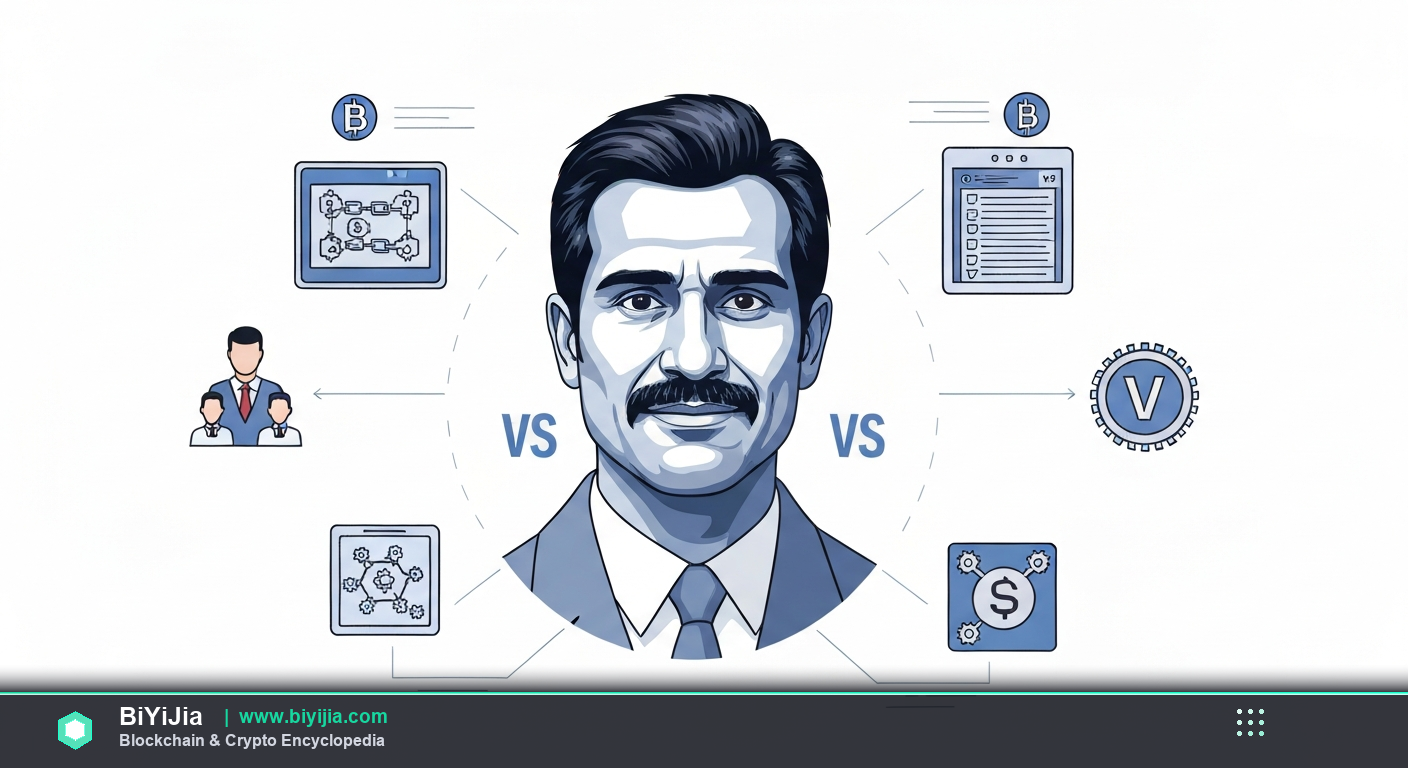
The technical brilliance lies in combining a proof‑of‑work consensus, a distributed ledger, and a fixed 21 million coin supply—all described in a 9‑page document released in 2008.
Think of it like inventing the first smartphone: before it, we only had landlines; after it, a whole ecosystem of apps, services, and new business models sprang up.
How It Works
- Publish the Bitcoin Whitepaper, outlining a decentralized ledger that anyone can verify.
- Release the Genesis Block on January 3 2009, embedding a hidden message that timestamps the creation.
- Introduce proof‑of‑work mining, where participants solve cryptographic puzzles to add new blocks.
- Reward miners with newly minted bitcoins, gradually decreasing the issuance through halving events.
- Allow peer‑to‑peer transactions to settle without intermediaries, secured by the network’s collective hash power.
Core Features
- Pseudonymous Origin: The creator’s true identity remains unknown, fostering a mythos around the project.
- Limited Supply: Only 21 million bitcoins can ever exist, creating scarcity similar to precious metals.
- Proof‑of‑Work Security: Computational effort secures the network, making attacks economically infeasible.
- Open‑Source Code: Anyone can inspect, fork, or improve the software, encouraging community innovation.
- Permissionless Access: No gatekeeper controls who can join the network or move funds.
- Immutable Ledger: Once a block is confirmed, altering past transactions is practically impossible.
Real‑World Applications
- Bitcoin (BTC) – The original cryptocurrency, with a market cap exceeding $1.2 trillion as of Q1 2026 (CoinMarketCap).
- Lightning Network – A Layer‑2 scaling solution enabling sub‑second, low‑fee payments; over 30 million channels were open in 2025 (Lightning Labs).
- Blockstream Satellite – Broadcasts the Bitcoin blockchain to 150+ countries, keeping the network alive even without internet.
- Taproot Upgrade – Implemented in 2021, it improves privacy and smart‑contract efficiency, now used by 70 % of new Bitcoin transactions (Glassnode).
- Institutional Custody – Firms like Fidelity and BlackRock offer regulated Bitcoin storage, managing assets worth $250 billion collectively (Bloomberg, 2026).
Comparison with Related Concepts
Satoshi Nakamoto vs Anonymous: Both hide identity, but Satoshi left a technical legacy; “Anonymous” is a loosely‑organized activist collective without a single authored product.
Satoshi Nakamoto vs Traditional Banking: Satoshi designed a system without central control, whereas banks rely on trust in a regulated institution to issue and settle money.
Satoshi Nakamoto vs 2008 Financial Crisis: The crisis exposed flaws in centralized finance, prompting Satoshi to propose a decentralized alternative; the Whitepaper was published later that same year.
Risks & Considerations
- Identity Uncertainty: The lack of a known individual complicates legal accountability and intellectual property claims.
- Regulatory Scrutiny: Governments may treat Bitcoin as a security or commodity, affecting its adoption.
- Technical Vulnerabilities: While proof‑of‑work is robust, future quantum computers could threaten cryptographic primitives.
- Market Volatility: Bitcoin’s price swings can deter everyday merchants from accepting it.
- Network Centralization: Mining pools control a large share of hash power, potentially undermining decentralization.
Embedded Key Data
According to Chainalysis, more than 200 million people owned Bitcoin worldwide by the end of 2025, marking a 35 % increase from the previous year.
Research from the University of Cambridge shows that Bitcoin mining consumes roughly 110 TWh annually, comparable to the electricity usage of Argentina (Cambridge Bitcoin Electricity Consumption Index, 2026).
Frequently Asked Questions
Who is Satoshi Nakamoto?
The true identity remains a mystery; candidates range from cryptographers like Nick Szabo to groups of developers, but no conclusive evidence has emerged.
What did Satoshi Nakamoto create?
Satoshi authored the Bitcoin Whitepaper, launched the Genesis Block, and wrote the first reference implementation of Bitcoin Core, laying the foundation for modern blockchain technology.
Why does Satoshi’s identity matter?
Knowing who created Bitcoin could clarify legal responsibilities, influence regulatory approaches, and settle long‑standing debates within the community.
Has Satoshi ever spent any bitcoins?
All known Satoshi‑controlled coins (approximately 1 million BTC) remain untouched, leading many to believe the creator is either dormant or has deliberately abandoned the address.
Is Satoshi still involved in Bitcoin development?
The last known communication from Satoshi was in 2010; since then, development has been driven by a global community of contributors.
Summary
Satoshi Nakamoto is the pseudonymous figure behind Bitcoin’s birth, crafting a trustless, scarce digital cash system that reshaped finance. Understanding his work helps grasp why terms like Bitcoin Whitepaper, Genesis Block, and Decentralized Finance (DeFi) are central to the crypto narrative.