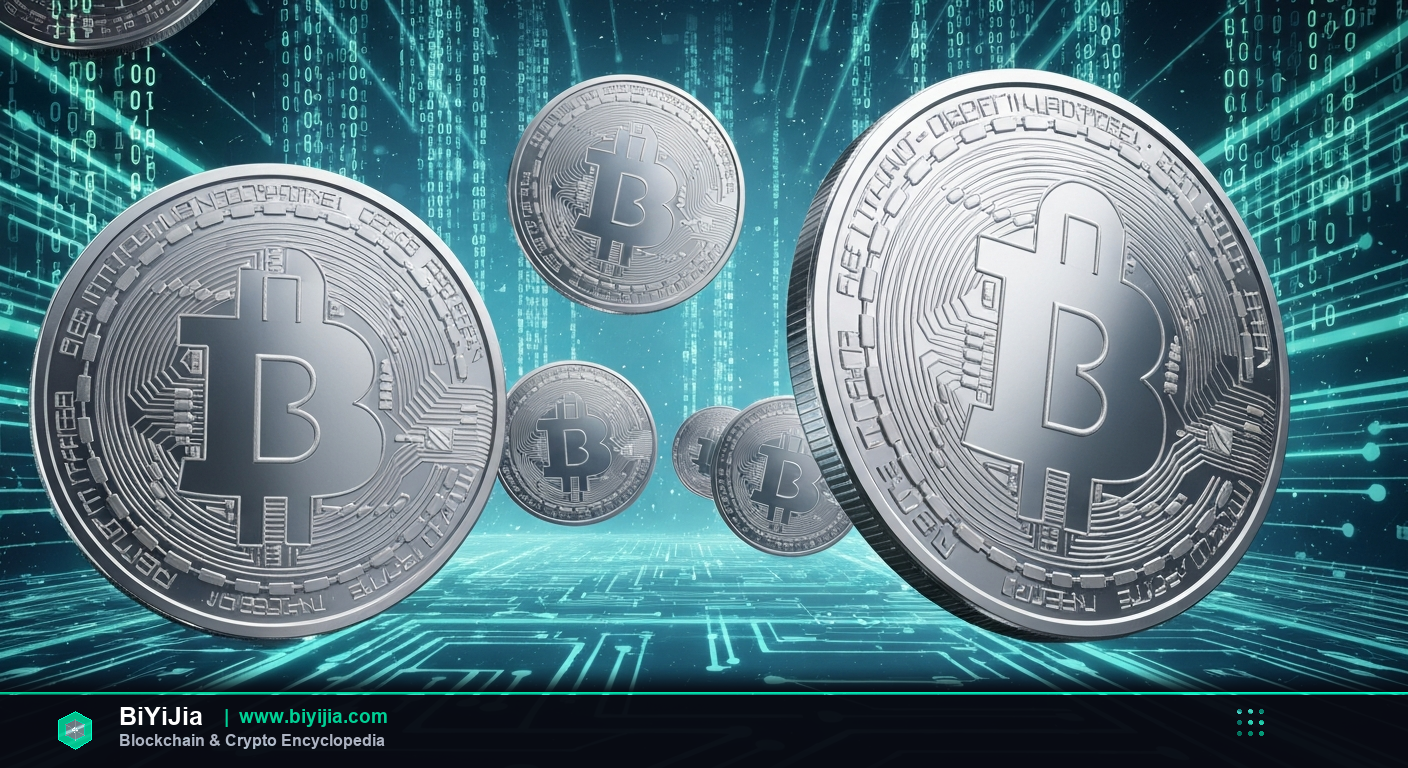
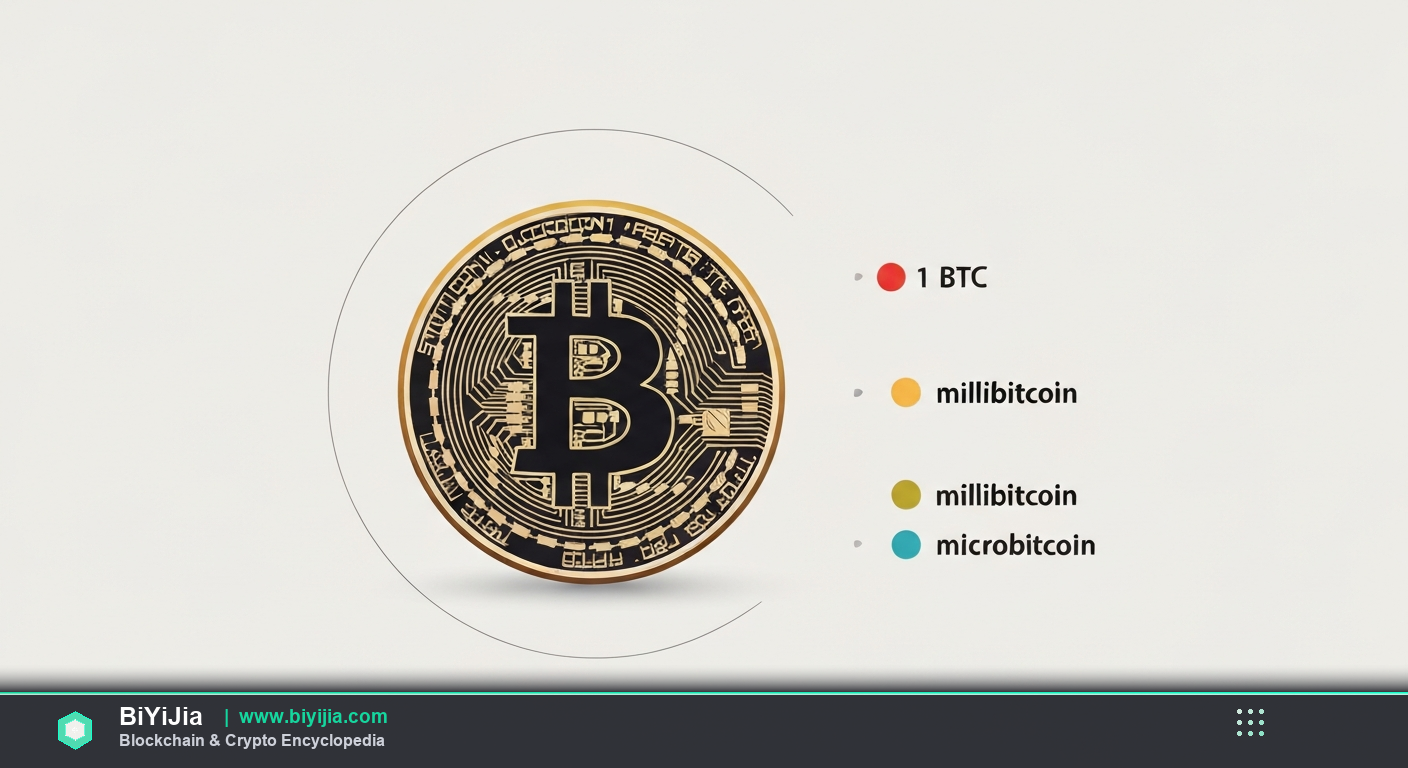
Satoshi (SAT) refers to the smallest Bitcoin unit, equal to 0.00000001 BTC.
Key Takeaways
- One satoshi is the indivisible SAT unit of Bitcoin, representing 0.00000001 BTC.
- It enables micro‑transactions, making Bitcoin usable for everyday purchases and Lightning Network routing.
- Many DeFi protocols and tipping platforms price fees in satoshis to avoid rounding errors.
- Compared with fiat cents, a satoshi is far smaller, but its value can still fluctuate dramatically.
- Holding satoshis carries the same market risk as any Bitcoin exposure – price volatility and regulatory uncertainty.
What Is Satoshi (SAT)?
In plain English, a satoshi is the smallest divisible unit of Bitcoin, equal to one‑hundred‑millionth of a Bitcoin.
Technically, the Bitcoin protocol defines the SAT unit as 10⁻⁸ BTC, which means every transaction must be expressed in whole satoshis; fractions of a satoshi are rounded down. This design keeps the ledger simple and prevents rounding errors that could otherwise accumulate over millions of transactions.
Think of a satoshi like a grain of sand on a beach: you can’t split a grain any further without losing its identity, yet countless grains together form the massive shoreline we call Bitcoin.
How It Works
- When a user creates a transaction, the wallet software converts the desired amount of Bitcoin into satoshis using the 0.00000001 BTC conversion rate.
- The transaction data, now expressed entirely in satoshis, is broadcast to the peer‑to‑peer network.
- Miners validate the transaction, ensuring the total input satoshis match the total output satoshis plus any network fee.
- Once the block is added to the blockchain, the satoshi amounts become immutable records of value transfer.
- On the Lightning Network, satoshis are the base unit for routing payments, allowing sub‑cent transactions to settle instantly.
Core Features
- Indivisible Unit: A satoshi cannot be broken down further; it is the atomic unit of Bitcoin.
- Uniform Precision: All Bitcoin amounts, fees, and smart‑contract values are expressed in whole satoshis, eliminating fractional rounding errors.
- Scalable Micropayments: The SAT unit enables micro‑transactions, crucial for tipping, IoT payments, and Lightning Network routing.
- Global Standard: Every wallet, exchange, and blockchain explorer uses satoshis as the base denominator.
- Future‑Proof: As Bitcoin’s price rises, the satoshi remains useful for lower‑value purchases without redefining the protocol.
Real-World Applications
- Lightning Network – Powers instant, low‑fee payments; over 1.2 billion satoshi‑denominated payments are processed daily (LNstats 2026).
- BitPay – Allows merchants to price goods in satoshis, enabling sub‑cent pricing for digital goods.
- StackSats – A tipping platform where creators receive donations in satoshis, often as low as 10 SAT.
- OpenNode – Supports Lightning invoices that specify exact satoshi amounts for e‑commerce checkout.
- Free TON – Uses satoshi‑precision tokens for micro‑rewards in decentralized content platforms.
Comparison with Related Concepts
Satoshi vs Bitcoin: Bitcoin is the full‑scale network and asset; a satoshi is its smallest unit, analogous to cents versus a dollar. While Bitcoin can be divided down to eight decimal places, the satoshi fixes that limit at 0.00000001 BTC.
Satoshi vs Lightning Network: The Lightning Network is a second‑layer protocol that routes payments in satoshis off‑chain for speed and cheapness. Satoshis are the currency of both layers, but the Lightning Network adds routing, channel management, and near‑instant settlement.
Satoshi vs Traditional Fiat Cents: One cent is 1/100 of a dollar, whereas one satoshi is 1/100,000,000 of a Bitcoin. Even at Bitcoin’s 2026 price of $28,000, a single satoshi is worth roughly $0.00028, far smaller than a cent but still valuable for high‑frequency micro‑transactions.
Risks & Considerations
- Price Volatility: The fiat value of a satoshi can swing wildly; what costs a few pennies today could be worth several dollars tomorrow.
- Dust Attacks: Malicious actors can flood wallets with tiny satoshi amounts (dust) to increase storage costs or obscure tracking.
- Rounding Errors in Legacy Systems: Some older payment processors still round satoshi amounts, potentially leading to lost funds in high‑volume micro‑payments.
- Regulatory Scrutiny: As governments tighten crypto regulations, the use of satoshis for low‑value transactions may attract additional reporting requirements.
- Network Congestion: During peak periods, transaction fees quoted in satoshis can surge, making micro‑transactions temporarily uneconomical.
As of 2026, 1 satoshi equals 0.00000001 BTC, representing 0.000001 % of a single Bitcoin (Blockchain.com data). The Lightning Network now settles over 1.2 billion satoshi‑denominated payments per day, demonstrating the practical utility of the SAT unit for everyday commerce.
Frequently Asked Questions
What is a satoshi and why is it called that?
A satoshi is the smallest divisible unit of Bitcoin, named after the mysterious creator Satoshi Nakamoto. It represents one‑hundred‑millionth of a Bitcoin (0.00000001 BTC), allowing precise pricing and micro‑transactions.
How many satoshis are there in one Bitcoin?
Exactly 100,000,000 satoshis make up one Bitcoin. This fixed supply ensures that the total number of satoshis will never exceed 2.1 quadrillion, matching Bitcoin’s 21 million coin cap.
Can I send less than one satoshi?
No. The protocol does not support fractional satoshis. Any amount below 1 SAT is rounded down to zero, effectively becoming a “dust” transaction that may be rejected by most wallets.
Why do Lightning Network payments use satoshis instead of BTC?
Lightning channels operate with integer satoshi values to keep calculations simple and avoid rounding errors. Using satoshis also enables ultra‑small payments that would be impractical if expressed in whole BTC.
Is it safe to hold satoshis in a regular Bitcoin wallet?
Yes. Since satoshis are just a denomination of Bitcoin, any wallet that supports Bitcoin automatically supports satoshis. The safety depends on the wallet’s security practices, not the unit itself.
Do exchanges display balances in satoshis?
Most exchanges show balances in BTC for user friendliness, but the underlying ledger records everything in satoshis. Some platforms, especially those focused on micro‑trading, let you view balances in SAT units.
Summary
A satoshi (SAT) is the indivisible, smallest Bitcoin unit, essential for micro‑payments, Lightning Network routing, and precise pricing across the crypto ecosystem. Understanding satoshis helps you navigate Bitcoin, DeFi, and emerging payment solutions more effectively.