Security Token refers to a blockchain-based digital asset that represents ownership in a regulated financial instrument, offering investors the same rights as traditional securities while leveraging crypto technology.
Key Takeaways
- A security token is a digital representation of a traditional financial security on a blockchain.
- It combines the regulatory compliance of securities with the efficiency of crypto.
- Projects use security tokens to tokenize equity, real estate, and other assets.
- Compared to a utility token, a security token must meet SEC or equivalent regulator standards.
- Investors should watch for regulatory changes and market liquidity risks.
What Is Security Token?
In plain language, a security token is a digital share that gives you legal ownership rights in an underlying asset.
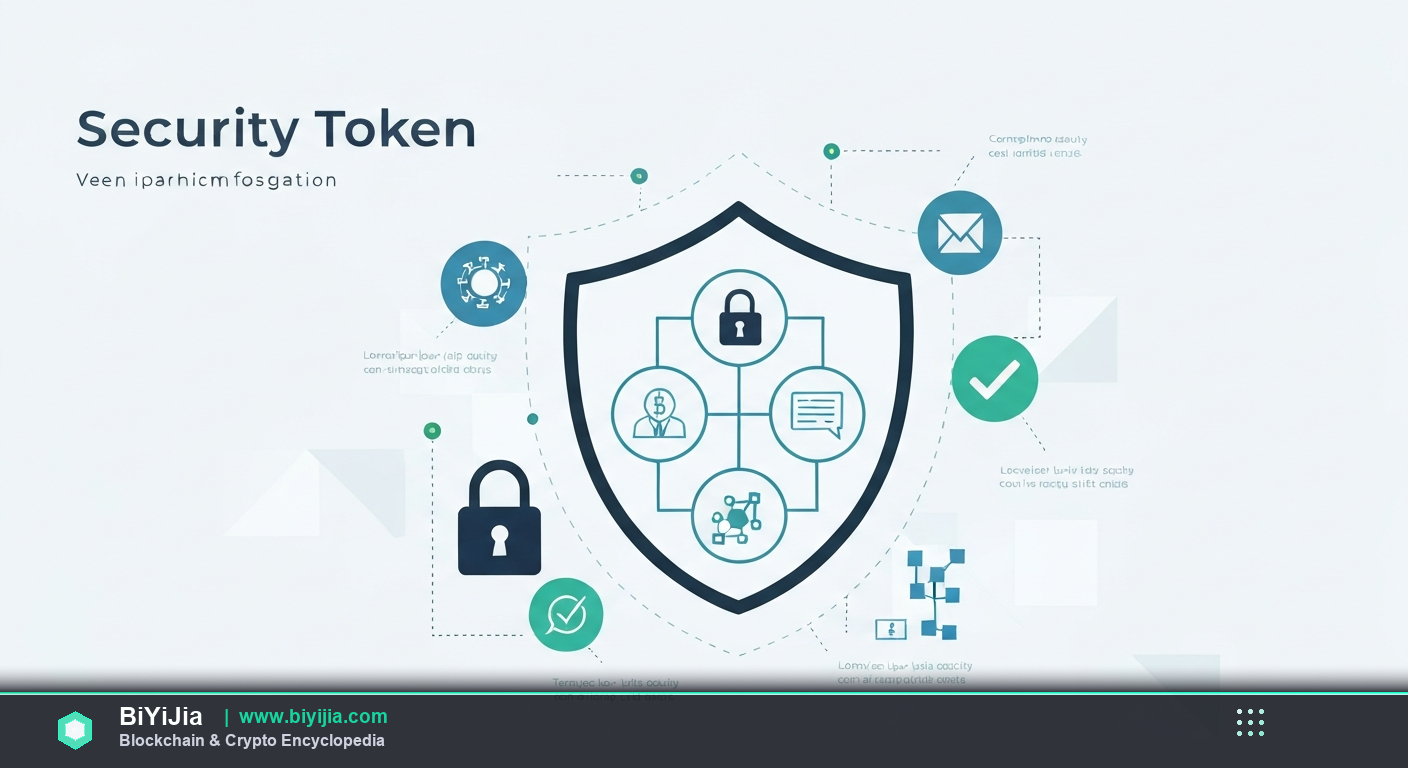
Technically, the token is a smart contract that encodes the same legal obligations you’d find in a stock certificate, bond, or fund share, and it lives on a public or permissioned blockchain. Because the contract is immutable, the token can automatically enforce transfer restrictions, dividend distribution, and voting rights, all while staying compliant with securities law.
Think of it like a concert ticket that not only lets you into the venue but also guarantees you a backstage pass and a share of the merch sales – all recorded on a tamper‑proof ledger.
How It Works
- Issuer creates a smart contract that defines the security’s terms – ownership percentage, dividend schedule, and transfer rules.
- Regulatory KYC/AML checks are performed on each investor before the token is minted.
- The token is issued on a blockchain, often Ethereum or a specialized layer‑2, and recorded on a public ledger.
- Investors receive the token in a compliant wallet; the smart contract automates dividend payouts and voting.
- Secondary market platforms that are registered with the SEC enable peer‑to‑peer trading while enforcing the built‑in restrictions.
Core Features
Regulatory Compliance: Every tokenized security must satisfy the jurisdiction’s securities regulations, including registration or exemption filings.
Programmable Rights: Smart contracts embed dividend distribution, voting, and redemption rights directly into the token.
Fractional Ownership: Tokens can represent tiny slices of high‑value assets, opening investment to a broader audience.
Liquidity Potential: While still emerging, secondary markets for security tokens aim to provide faster settlement than traditional securities.
Transparency: Blockchain immutability offers an auditable trail of ownership and transaction history.
Interoperability: Tokens built on common standards (e.g., ERC‑1400) can move across compliant exchanges and custodial solutions.
Real-World Applications
- tZero: A platform that launched a security token offering for its proprietary blockchain trading system, raising $134 million in 2022.
- Harbor: Tokenized a $20 million private real‑estate fund, allowing investors to trade shares on a regulated secondary market.
- Polymath: Provides a suite of tools for creating compliant security tokens; over 300 STOs have been launched using its protocol.
- Tokeny Solutions: Helped a French fintech issue a security token representing equity in a fintech startup, raising €15 million in 2023.
- OpenFinance Network: Operates a regulated exchange where security tokens can be listed and traded, with daily volume exceeding $30 million in Q4 2025.
Comparison with Related Concepts
Security Token vs Utility Token: A security token confers ownership or profit rights and must meet securities law; a utility token merely grants access to a product or service and is not regulated as a security.
Security Token vs Traditional Equity: Both represent ownership, but security tokens settle in minutes on a blockchain, whereas traditional equity requires broker‑dealer intermediaries and days for settlement.
Security Token Offering vs Initial Coin Offering: An STO is a regulated fundraising event that issues securities; an ICO typically sells utility tokens without the same legal safeguards.
Risks & Considerations
Regulatory Uncertainty: Laws evolve quickly; a token compliant today may face new restrictions tomorrow.
Liquidity Constraints: Secondary markets are still nascent, so finding a buyer at a fair price can be challenging.
Smart Contract Bugs: Flaws in code could lead to loss of rights or funds if not audited thoroughly.
Custodial Risks: Storing tokens in non‑compliant wallets may expose investors to legal and security vulnerabilities.
Market Adoption: Institutional acceptance varies by jurisdiction, affecting pricing and secondary market depth.
Embedded Key Data
According to a 2025 report by the World Economic Forum, more than $12 billion was raised via security token offerings in 2024, marking a 45 % increase from the previous year.
As of Q1 2026, over 350 STOs have been registered with the SEC, illustrating growing regulatory comfort with tokenized securities.
Frequently Asked Questions
What is a security token and how does it differ from a regular token?
A security token is a blockchain‑based representation of a regulated financial instrument, such as equity or debt, and must comply with securities law. Regular tokens, often called utility tokens, provide access to a product or service and are not subject to the same regulatory framework.
How does a security token offering (STO) work?
In an STO, an issuer creates a compliant smart contract, conducts KYC/AML on investors, and sells the tokens to raise capital. The tokens carry the same rights as traditional securities, and secondary trading occurs on regulated platforms that enforce transfer restrictions.
Can I earn dividends from a security token?
Yes. Many security tokens are programmed to automatically distribute dividends to token holders based on the underlying asset’s performance, eliminating the need for manual payouts.
Are security tokens safe to invest in?
They offer legal protections similar to traditional securities, but investors still face risks like regulatory changes, smart‑contract bugs, and limited liquidity. Conduct thorough due diligence and consider the credibility of the issuer and platform.
Do I need a special wallet for security tokens?
Security tokens require wallets that support compliance features, such as whitelisting and KYC verification. Many custodians provide compliant wallet services that integrate with regulated exchanges.
Summary
Security Token is a digital embodiment of a regulated financial right, marrying the legal certainty of traditional securities with blockchain efficiency. As the ecosystem matures, understanding STOs, compliance, and the nuances of equity tokenization will be essential for any crypto‑savvy investor.
Explore related concepts like SEC regulations, compliance frameworks, and dividend mechanics to deepen your grasp of the tokenized finance landscape.