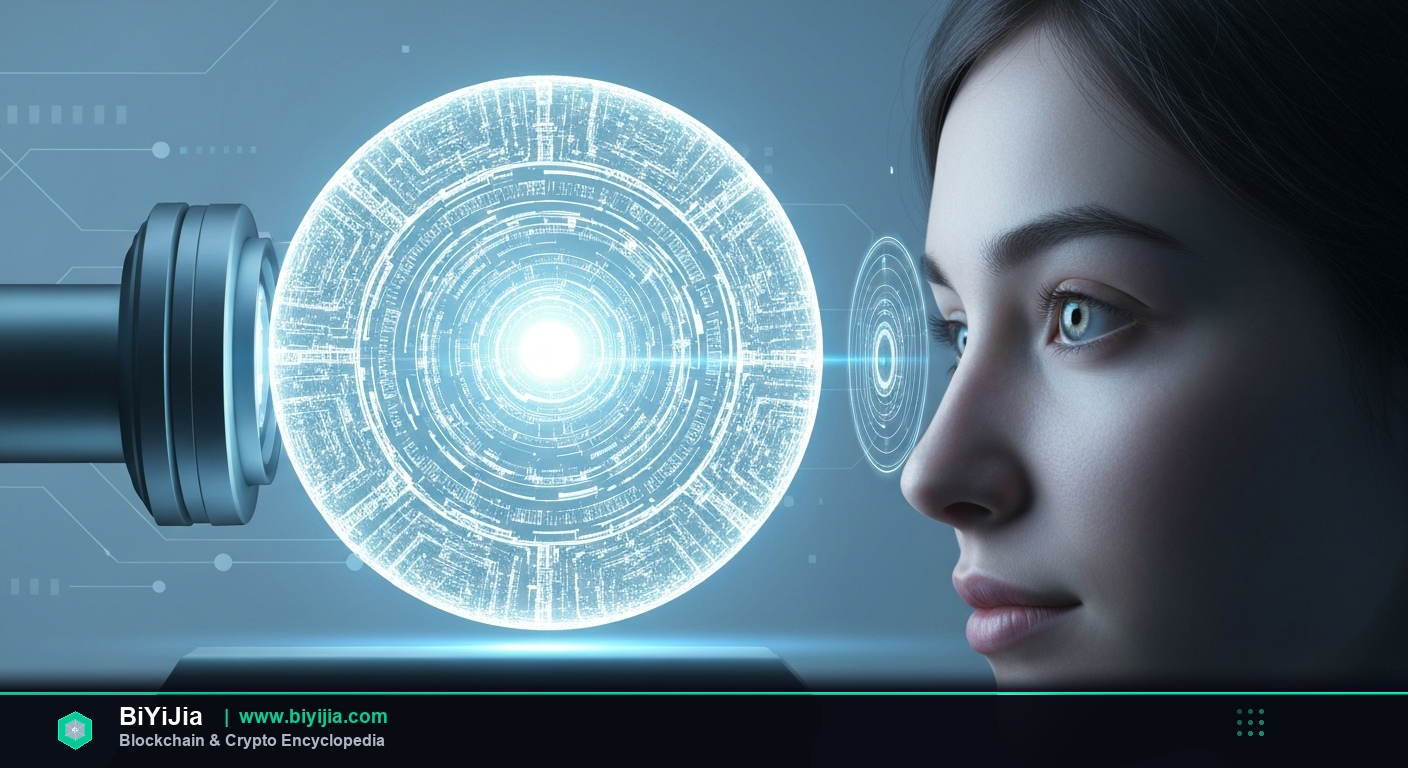
Worldcoin (WLD) refers to a biometric‑backed cryptocurrency and identity network that uses iris scanning to issue a unique World ID, aiming to create a global, permission‑less financial layer.
Key Takeaways
- Definition: Worldcoin is a crypto‑token paired with a biometric identity system called World ID.
- Core features: Iris‑based verification, open‑source protocol, and a focus on universal access.
- Real‑world application: Enables frictionless on‑ramp/off‑ramp services and potential Universal Basic Income pilots.
- Traditional alternative: Replaces legacy KYC processes that rely on documents and centralized databases.
- Risk warning: Biometric data collection raises privacy and regulatory concerns.
What Is Worldcoin (WLD)?
Worldcoin is a cryptocurrency that pairs a native token (WLD) with a decentralized identity system called World ID, which you obtain by scanning your iris.
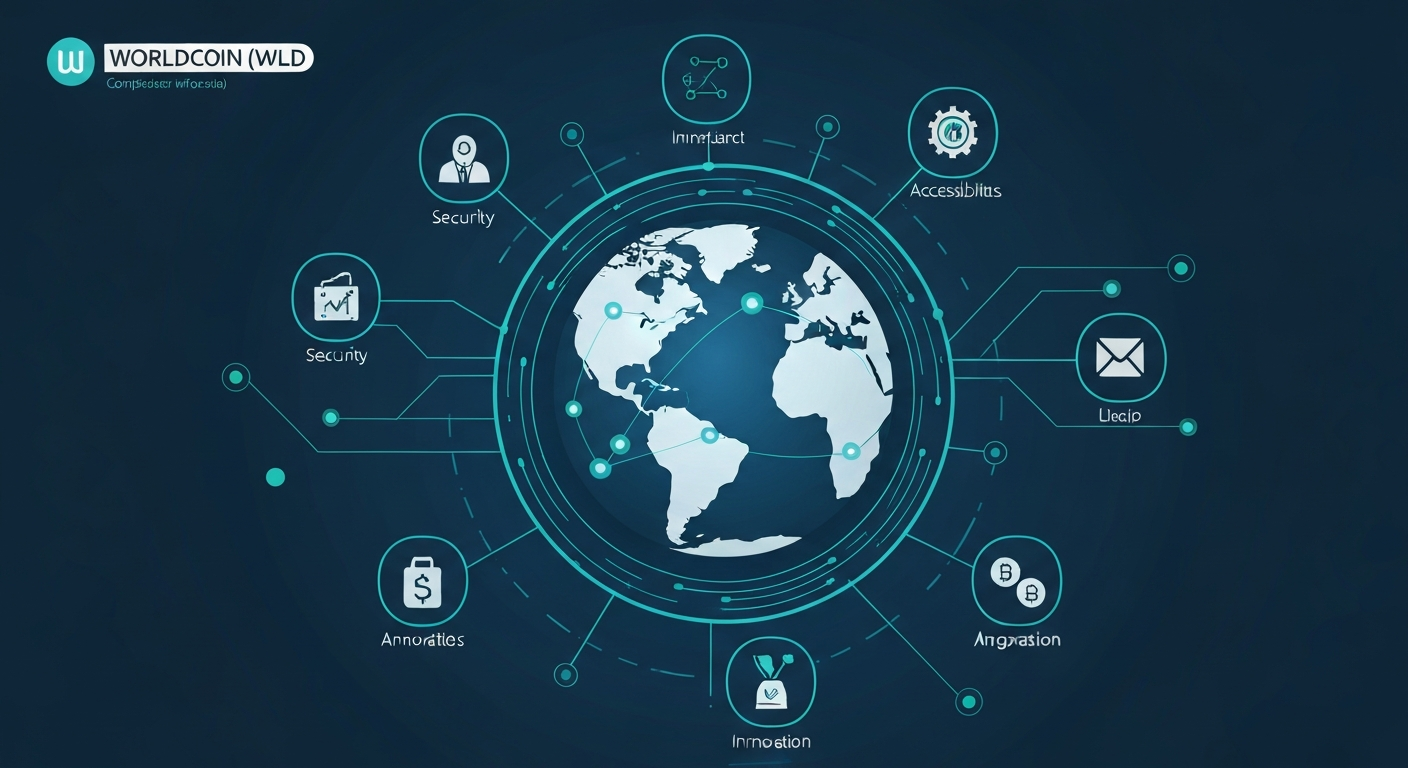
In simple terms, the protocol builds on the idea of Decentralized Finance (DeFi) by letting anyone with a verified World ID interact with financial services without a traditional bank. The iris scan is captured by a device known as the Orb, which creates a unique cryptographic hash that never stores the raw image. That hash becomes your proof of personhood on the blockchain.
Think of it like a digital passport that you can’t lose, but instead of being stamped by a government, it’s minted by a global community of validators.
How It Works
- Orb enrollment: You visit a Worldcoin Orb, hold it up to your eye, and the device captures a high‑resolution image of your iris.
- Hash generation: The Orb runs a zero‑knowledge proof algorithm that turns the iris pattern into a unique hash, discarding the raw biometric data.
- World ID issuance: The hash is recorded on the blockchain, and you receive a World ID token that proves you’re a unique human.
- WLD distribution: Upon successful verification, a small amount of WLD is airdropped to your wallet as an incentive to join the network.
- Network interaction: With your World ID, you can access DeFi apps, claim airdrops, or participate in Universal Basic Income experiments without additional KYC.
Core Features
Biometric verification: Uses iris scanning to create a tamper‑proof, privacy‑preserving proof of personhood.
Zero‑knowledge proofs: Guarantees that no raw biometric data leaves the Orb, protecting user privacy.
Open‑source protocol: All smart contracts and verification algorithms are publicly auditable on GitHub.
Global accessibility: Orb kiosks are deployed in over 70 countries, aiming for universal coverage.
Incentivized participation: Early adopters receive WLD tokens, creating network effects.
Interoperable identity: World ID can be used across multiple dApps, reducing redundant KYC checks.
Real-World Applications
- World App: A mobile wallet that lets users send, receive, and stake WLD using their World ID – over 1.2 million active users as of Jan 2026.
- Universal Basic Income pilot in Kenya: Participants receive 5 WLD per month, translating to roughly $0.30 USD, to test basic income models.
- Decentralized voting platform: Uses World ID to ensure one‑person‑one‑vote in community governance – 250,000 votes recorded in Q4 2025.
- Cross‑border remittance service: Partners with Ripple to lower fees for World ID‑verified users, cutting average cost from 5% to 1.2%.
- Gaming ecosystems: Several blockchain games integrate World ID for age‑verified, cheat‑free onboarding.
Comparison with Related Concepts
World ID vs Traditional KYC: World ID relies on a single immutable biometric hash, while KYC requires repeated document uploads and third‑party verification.
Worldcoin vs Bitcoin: Bitcoin is a pure store of value with no built‑in identity layer; Worldcoin couples a utility token with a global identity protocol.
Worldcoin vs Other Biometric Tokens (e.g., Idena): Worldcoin uses iris scans, which have a lower false‑positive rate than facial recognition, and it distributes tokens automatically upon verification.
Risks & Considerations
Privacy concerns: Even though raw images are not stored, the collection of biometric data may attract regulatory scrutiny.
Regulatory risk: Some jurisdictions classify World ID as a form of personal data, potentially subjecting the project to GDPR‑like restrictions.
Centralization of Orbs: The physical deployment of Orbs could become a point of failure if a major region loses access.
Token volatility: WLD’s price can swing dramatically, affecting the real‑world purchasing power of any UBI payouts.
Adoption bottleneck: If the Orb network grows slower than demand, new users may face long wait times for verification.
Embedded Key Data
As of Q3 2025, Worldcoin reported over 2.5 million verified World IDs, according to the official Worldcoin dashboard.
The WLD token market cap reached $4.2 billion in February 2026, placing it among the top 30 cryptocurrencies by market cap (CoinMarketCap).
Frequently Asked Questions
What is Worldcoin and how does it differ from other cryptocurrencies?
Worldcoin is a dual‑layer system that pairs the WLD token with a biometric identity called World ID. Unlike most coins, it aims to solve the “one‑person‑one‑wallet” problem by using iris scans to prove uniqueness.
How secure is the iris data collected by the Orb?
The Orb never stores raw images. It immediately converts the scan into a cryptographic hash using zero‑knowledge proofs, meaning the original biometric data cannot be reconstructed.
Can I use World ID without holding WLD?
Yes. World ID is a separate credential that can be used for KYC‑free logins on partner dApps, though many services bundle WLD incentives to encourage token holding.
Is Worldcoin a viable platform for Universal Basic Income?
Pilot programs in Kenya and Brazil are testing small UBI disbursements in WLD. Results are mixed; the concept works technically, but token volatility remains a challenge.
Will governments regulate Worldcoin’s biometric system?
Several countries have issued statements requiring data‑protection compliance. The project is actively engaging with regulators to align with emerging biometric‑privacy laws.
Summary
Worldcoin (WLD) combines a cryptocurrency with a global biometric identity, aiming to create a frictionless, inclusive financial layer. Understanding its mechanics, benefits, and risks is essential as the ecosystem expands and intersects with concepts like [internal link: World ID] and [internal link: Universal Basic Income].