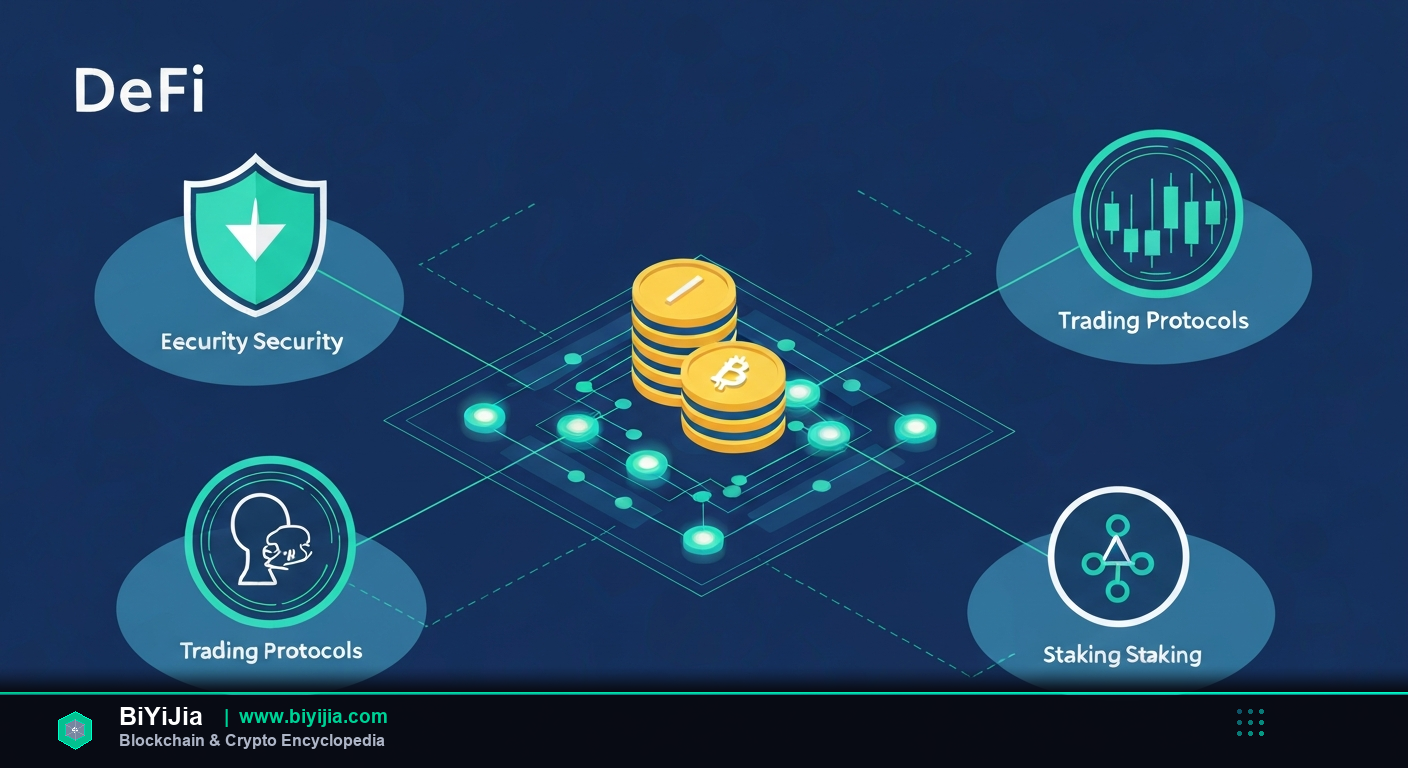
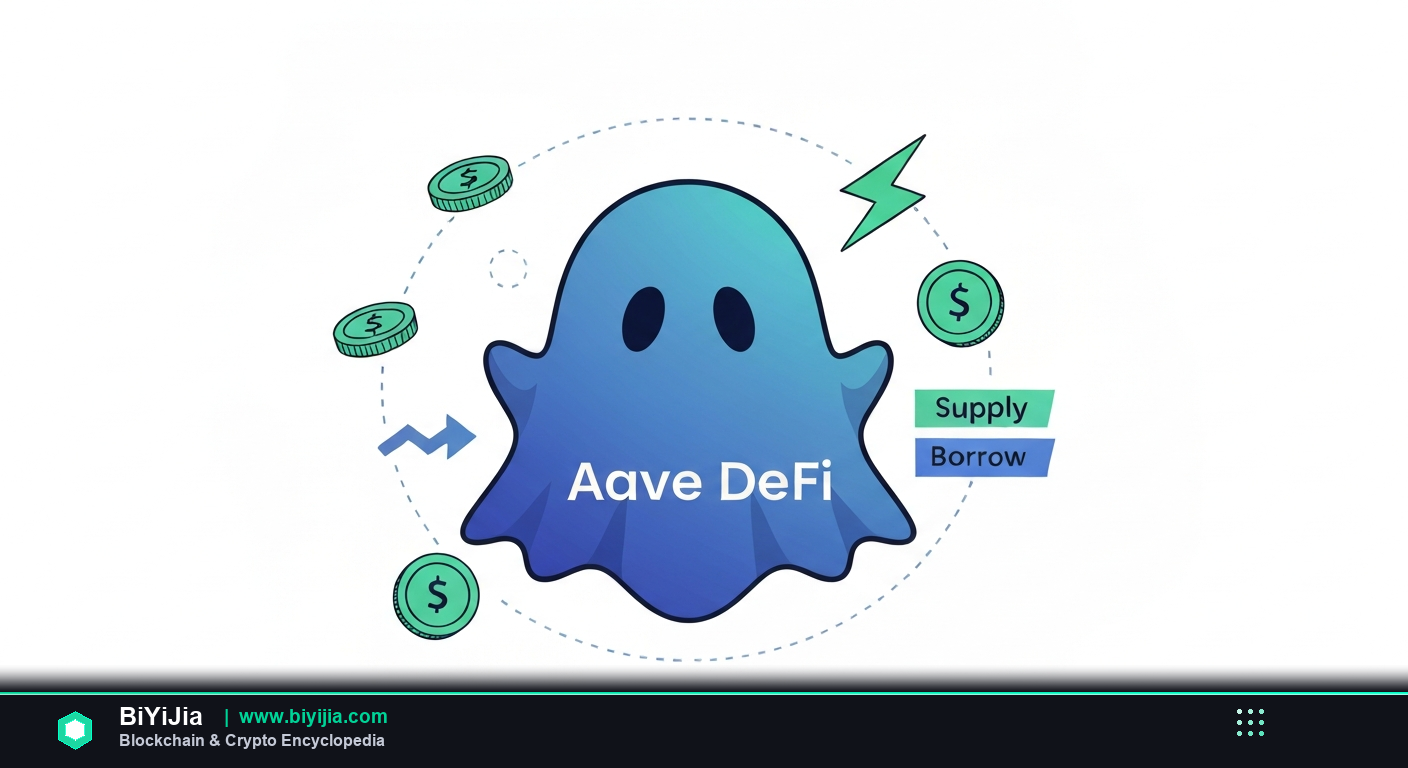
Aave is a decentralized finance (DeFi) lending protocol that lets users earn interest or borrow assets without a traditional intermediary.
Key Takeaways
- Definition: Aave is an open‑source, non‑custodial lending platform built on Ethereum and multiple other chains.
- Core features: Flash loans, rate switching, credit delegation, and a governance token (AAVE).
- Real‑world use: Developers integrate Aave lending into DeFi aggregators, NFTs, and gaming economies.
- Traditional comparison: Unlike a bank, Aave operates 24/7, requires no credit checks, and uses smart contracts instead of paperwork.
- Risk warning: Smart‑contract bugs, liquidation volatility, and token price swings can affect users.
What Is Aave?
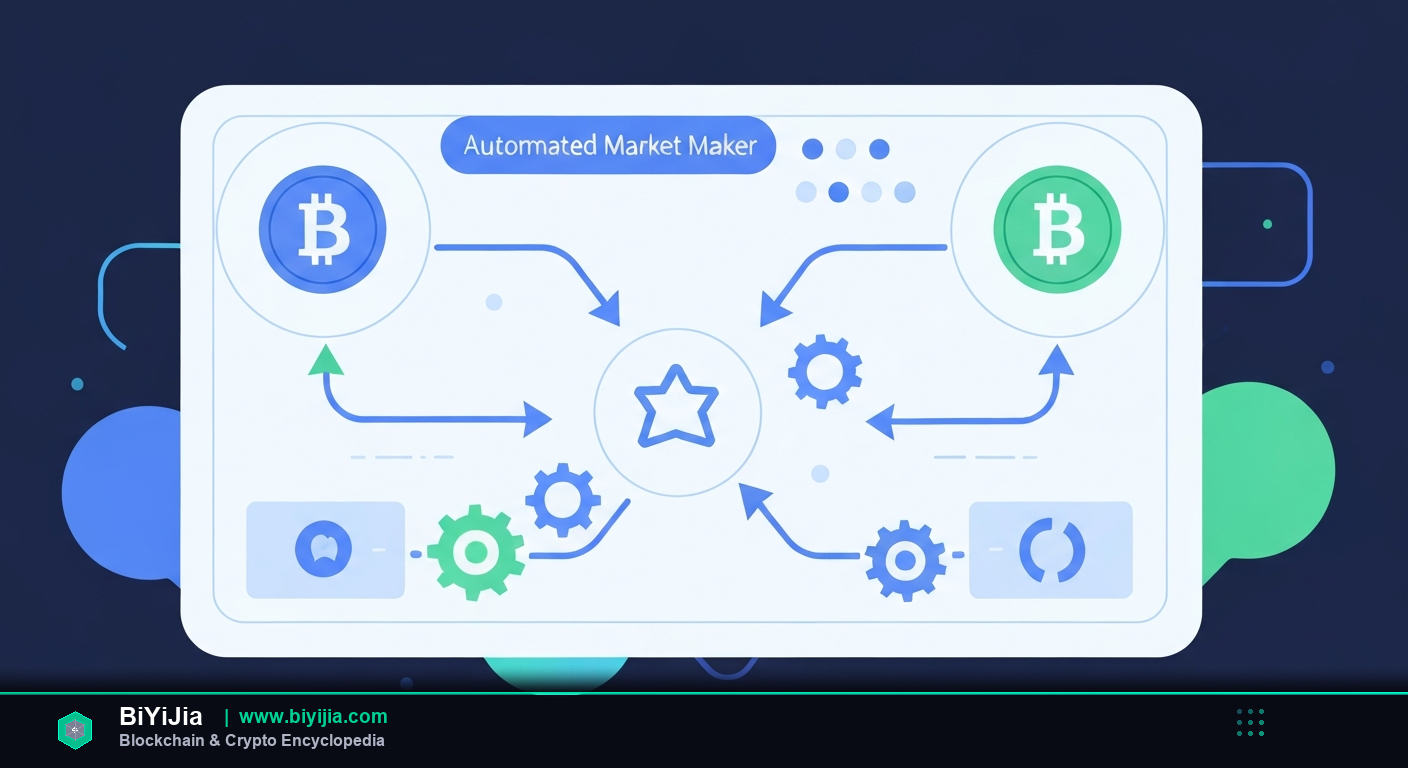
In plain language, Aave is a protocol that lets anyone lend or borrow crypto assets directly from a pool of liquidity.
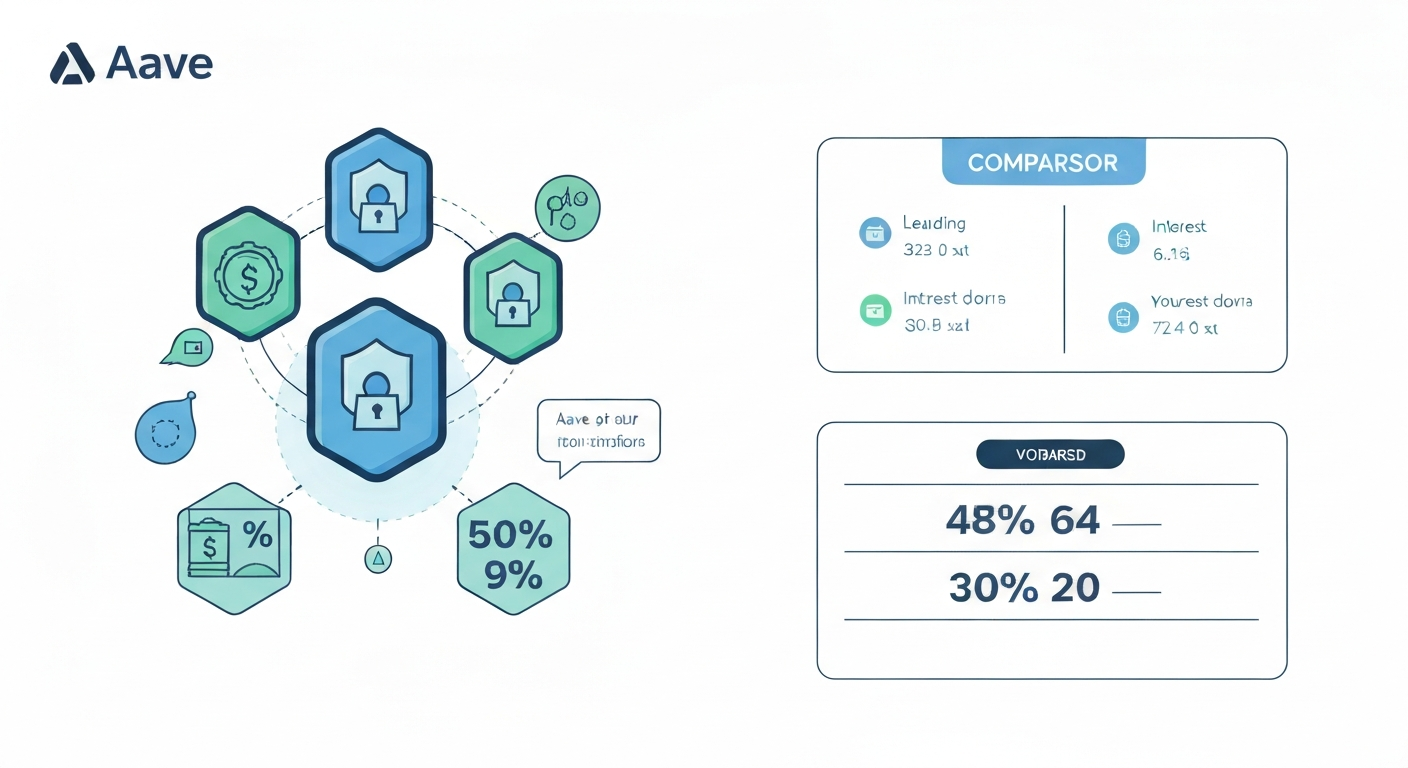
Under the hood, Aave uses smart contracts to match lenders with borrowers, automatically calculating interest rates based on supply and demand. When you deposit an asset, you receive a‑tokens that represent your share of the pool; when you borrow, you must over‑collateralize to protect lenders. The system also supports variable and stable interest rates, giving users flexibility to choose the cost structure that fits their strategy.
Think of Aave like a community‑run bank where the vault is a digital pool, the tellers are immutable code, and the interest you earn is paid by fellow participants, not a centralized institution.
How It Works
- Deposit: Users supply supported crypto assets to a liquidity pool. The protocol mints corresponding a‑tokens that accrue interest in real time.
- Borrow: To take out a loan, a user locks up collateral that exceeds the loan value (typically 150%+). The protocol automatically selects the best rate—variable or stable.
- Rate Switching: Borrowers can switch between variable and stable rates without closing the position, allowing them to react to market shifts.
- Liquidation: If collateral falls below the safety threshold, the protocol triggers liquidation, selling the collateral to cover the debt and rewarding liquidators.
- Governance: AAVE token holders vote on upgrades, fee structures, and new asset listings, shaping the future of the platform.
Core Features
Flash Loans: Uncollateralized loans that must be repaid within the same transaction, enabling arbitrage, collateral swaps, and DeFi composability.
Rate Switching: Users can toggle between variable and stable interest rates without closing their positions, offering risk management flexibility.
Credit Delegation: A token holder can delegate borrowing power to another address, useful for on‑chain credit lines and DeFi services.
Multi‑Chain Support: Aave runs on Ethereum, Polygon, Avalanche, Arbitrum, and several other Layer‑2 solutions, expanding liquidity across ecosystems.
AAVE Token: The native governance token that grants voting rights, fee discounts, and safety module staking for protocol insurance.
Safety Module: A reserve of staked AAVE that can be tapped to cover shortfalls, adding a layer of insurance for lenders.
Real‑World Applications
- Yearn Finance: Uses Aave as one of its yield‑optimizing vaults, automatically allocating capital to the highest‑returning pool.
- MetaMask Swaps: Integrates Aave flash loans to source liquidity for instant token exchanges within the wallet.
- Immutable X: Leverages Aave lending to offer NFT creators a way to borrow against future royalty streams.
- Polygon Bridge: Routes cross‑chain assets through Aave’s multi‑chain pools to reduce slippage and fees.
- Alchemix: Builds self‑repaying loans on top of Aave borrowing, letting users mint synthetic assets that pay themselves back.
Comparison with Related Concepts
Aave vs Compound: Both are DeFi lending protocols, but Aave offers flash loans and rate switching, while Compound focuses on a simpler interest‑rate model without flash capabilities.
Aave vs Traditional Bank: Aave runs 24/7 on code, requires over‑collateralization instead of credit checks, and distributes interest directly to users rather than a centralized institution.
Aave vs Centralized Lending Platforms: Centralized services hold user funds custodially and set rates manually; Aave automates everything on‑chain and gives users full custody of their assets.
Risks & Considerations
Smart‑Contract Vulnerability: Bugs or exploits in the code could lead to loss of funds; audits mitigate but do not eliminate this risk.
Liquidation Risk: Rapid market moves can trigger forced liquidation of collateral, potentially at a loss.
Token Volatility: The AAVE token’s price can swing dramatically, affecting the value of staked safety reserves and governance incentives.
Interest‑Rate Fluctuation: Variable rates can rise quickly, increasing borrowing costs for users who haven’t locked in stable rates.
Regulatory Uncertainty: As DeFi grows, future regulations could impact how Aave operates across jurisdictions.
Embedded Key Data
As of Q1 2026, Aave’s total value locked (TVL) topped $24 billion across all chains, according to DeFi Llama.
In the same period, the AAVE token’s market cap exceeded $5 billion, making it the third‑largest DeFi governance token by market value (CoinGecko, 2026).
Frequently Asked Questions
What is Aave and how does it differ from other DeFi lending platforms?
Aave is a DeFi lending protocol that lets users earn interest or borrow assets without intermediaries. Its standout features—flash loans, rate switching, and a multi‑chain presence—set it apart from peers like Compound, which lack those capabilities.
How do flash loans work on Aave?
Flash loans are uncollateralized loans that must be repaid within a single blockchain transaction. If the borrowed amount plus fees isn’t returned by the end of the transaction, the entire operation reverts, leaving the protocol whole.
What is the role of the AAVE token?
The AAVE token is the governance and safety token of the protocol. Holders can vote on proposals, earn fee rebates, and stake in the safety module to help protect the system against shortfalls.
Can I use Aave on layer‑2 solutions?
Yes. Aave runs on Ethereum mainnet and several layer‑2 or side‑chain networks such as Polygon, Arbitrum, Optimism, and Avalanche, allowing users to access lower fees and faster finality.
Is my collateral safe if the market crashes?
Collateral is over‑collateralized, meaning you must lock more value than you borrow. In extreme market downturns, rapid price drops can trigger liquidation, so it’s crucial to monitor health factors and set appropriate risk parameters.
Summary
Aave is a cornerstone of the DeFi lending ecosystem, offering innovative tools like flash loans and multi‑chain liquidity while empowering users through the AAVE governance token. Understanding its mechanics, benefits, and risks helps newcomers navigate the broader world of decentralized finance.