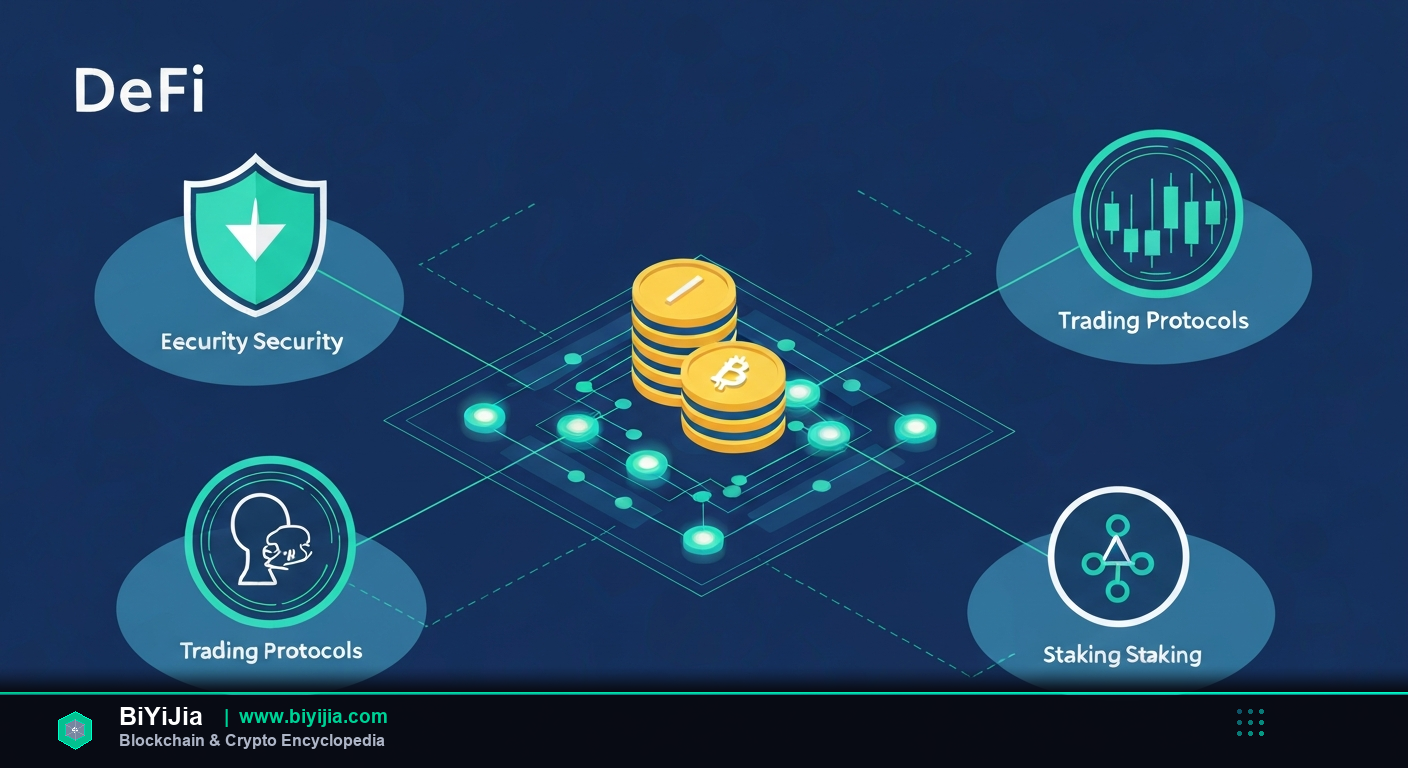
Uniswap is a decentralized exchange (DEX) that uses an automated market maker model to let anyone trade ERC‑20 tokens without a traditional order book.
Key Takeaways
- One‑line definition: Uniswap is an AMM‑based DEX for permissionless token swaps.
- Core features include liquidity pools, concentrated liquidity, and the governance UNI token.
- Real‑world application: It powers billions in daily trade volume across DeFi.
- Compared to centralized exchanges, Uniswap requires no KYC and no custodial risk.
- Risk warning: Impermanent loss and smart‑contract bugs can erode returns.
What Is Uniswap?
In plain language, Uniswap is a protocol that lets you swap crypto tokens directly from your wallet without a middleman.
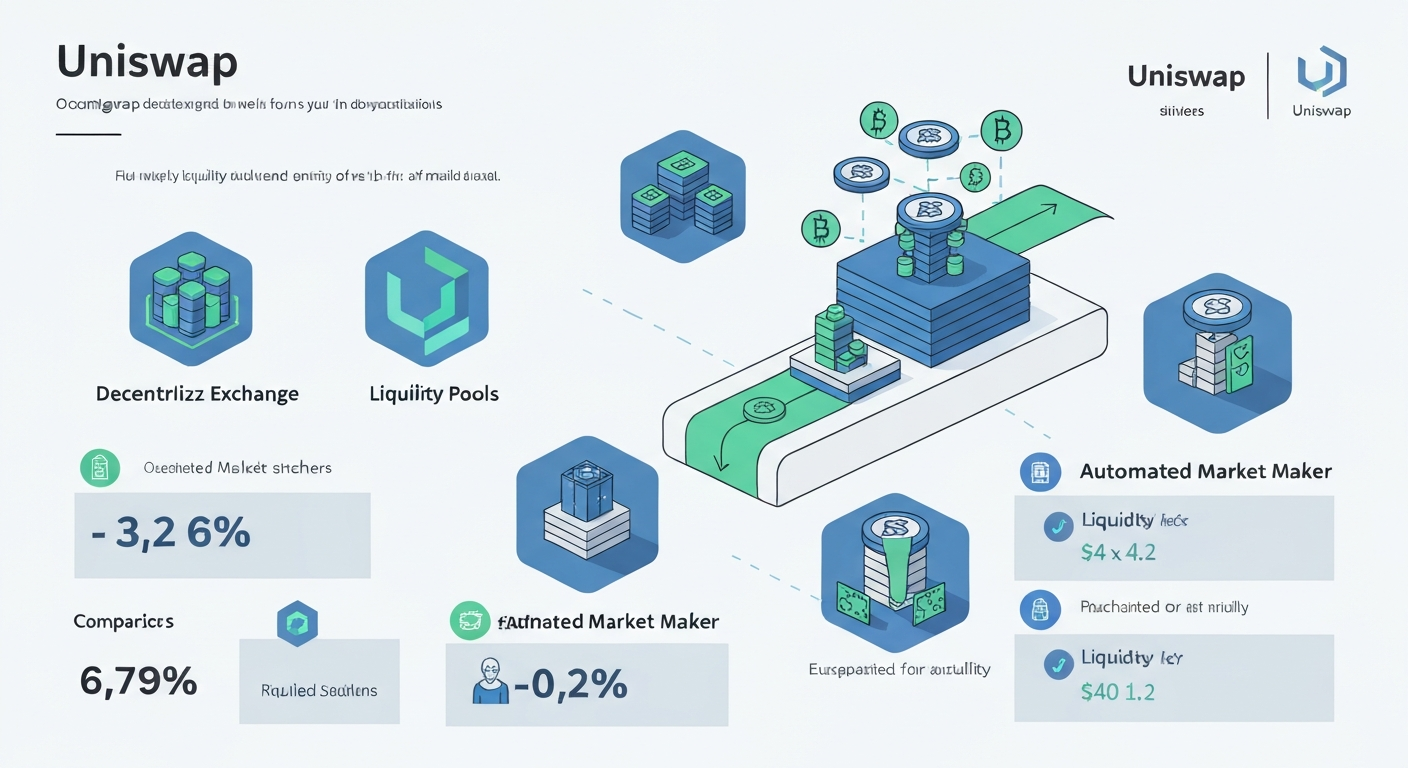
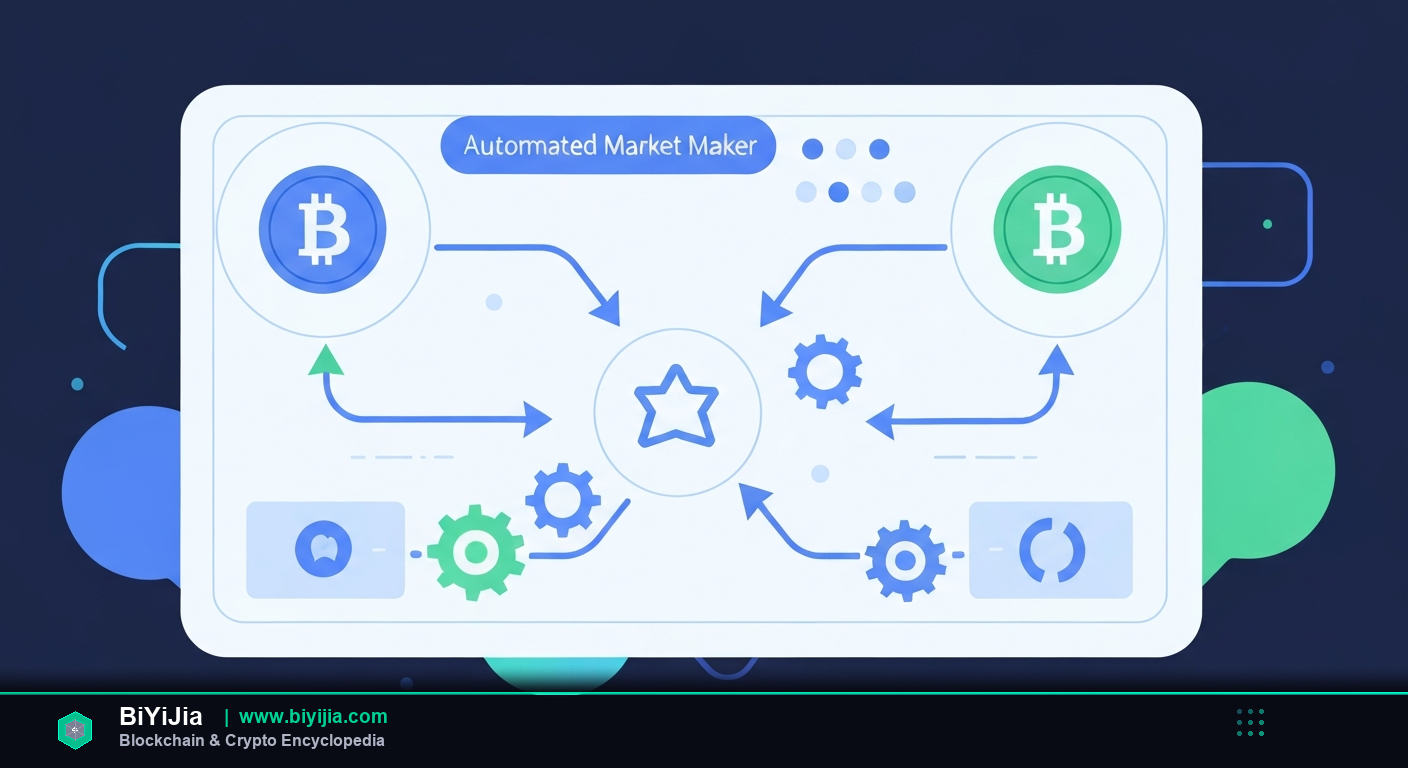
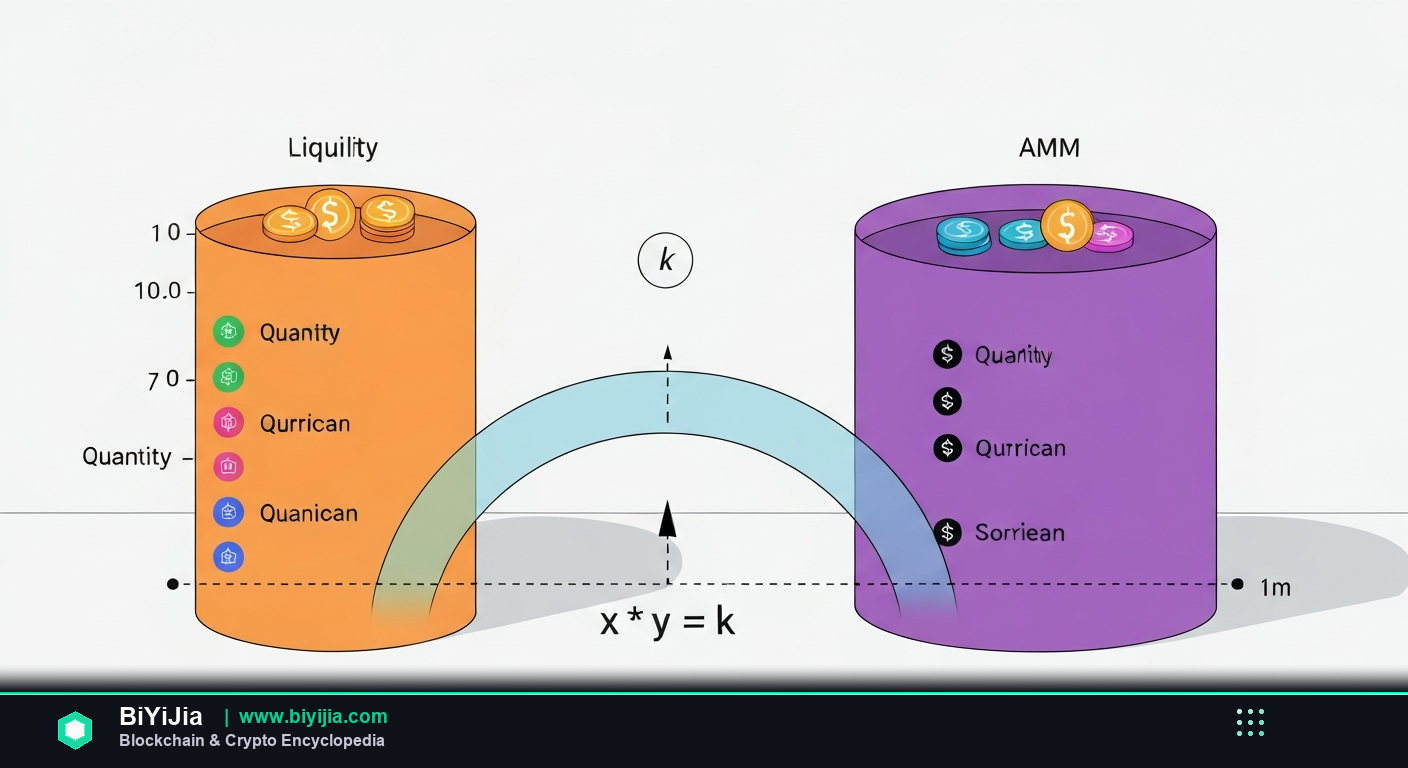
Behind the scenes, Uniswap runs on the automated market maker (AMM) principle: instead of matching buyers and sellers, it relies on liquidity pools where users deposit pairs of tokens. The pool’s pricing curve, governed by a simple mathematical formula, automatically adjusts based on the relative amounts of each asset, allowing trades to happen instantly.
Think of a vending machine that always knows the price of a snack based on how many snacks and coins are left inside – the more snacks you pull out, the higher the price becomes, and vice versa. That’s essentially how Uniswap’s AMM balances supply and demand.
How It Works
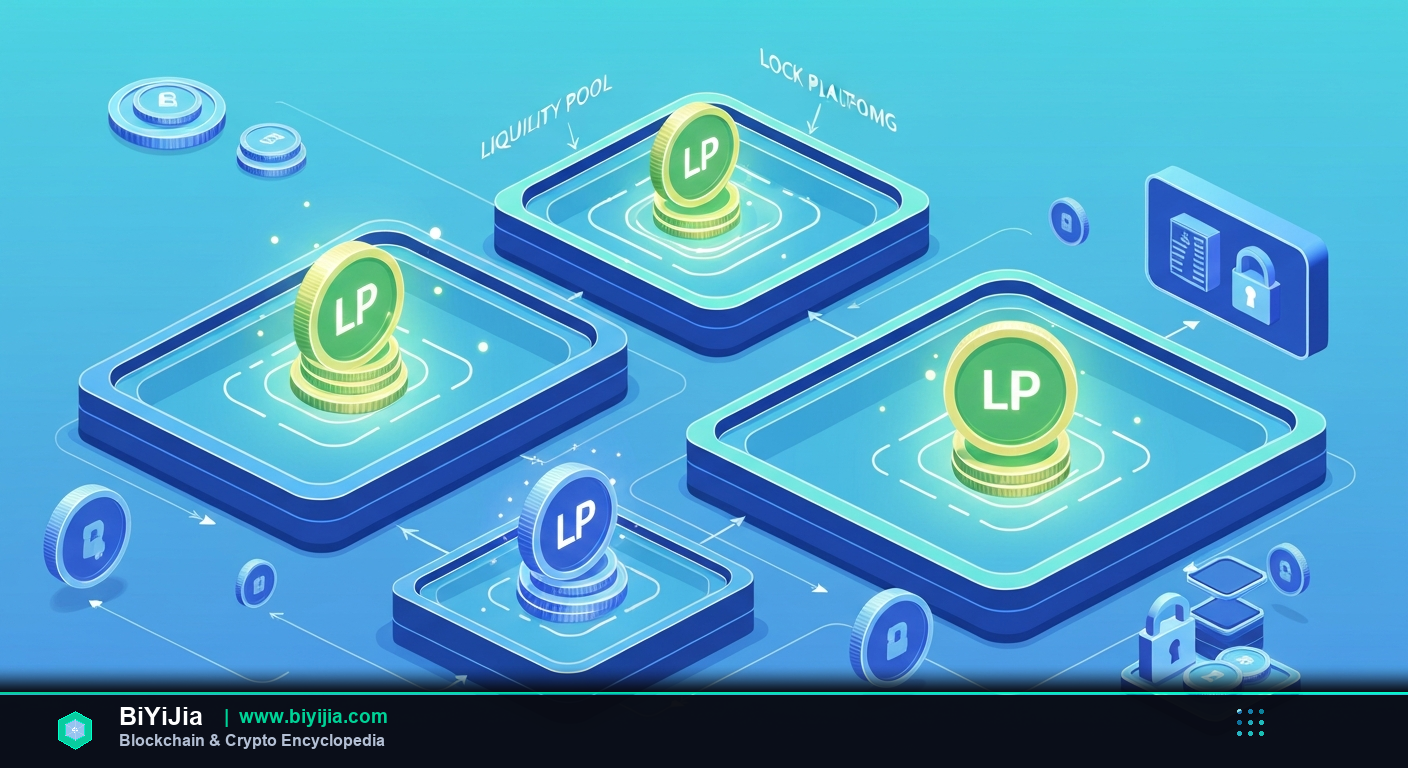
- Liquidity providers (LPs) deposit equal value of two ERC‑20 tokens into a smart contract, creating a liquidity pool.
- The pool uses the constant product formula x·y=k to set a price curve, where x and y are token reserves.
- A trader initiates a swap; the contract instantly recalculates the reserves, delivering the output token and charging a fee (0.30% on most pools).
- Fees accrue to LPs, who can withdraw their share of the pool plus earned fees at any time.
- With Uniswap V3, LPs can concentrate liquidity in specific price ranges, boosting capital efficiency and fee earnings.
Core Features
- Automated Market Maker: No order book; trades execute against a liquidity pool using a deterministic pricing algorithm.
- Liquidity Pools: Open to anyone, each pool holds a pair of ERC‑20 tokens and underpins all swaps.
- Concentrated Liquidity (V3): LPs allocate capital to narrow price bands, earning higher fees with less capital.
- UNI Token Governance: Holders vote on protocol upgrades, fee structures, and treasury allocations.
- Permissionless Access: No KYC, no listing approvals – any ERC‑20 token can be added as a pool.
- Layer‑2 Integration: Deployments on Optimism, Arbitrum, and Base reduce gas costs dramatically.
Real-World Applications
- OpenSea Marketplace – uses Uniswap liquidity to let creators instantly convert ETH to USDC for gas‑free NFT purchases.
- Yearn Finance – routes yield‑optimizing strategies through Uniswap V3 to capture the best fee‑earning price ranges.
- Curve Finance – bridges stablecoin swaps to Uniswap pools for better slippage on low‑volume assets.
- Chainlink – provides price feeds that reference Uniswap pool ratios to improve oracle accuracy.
- MetaMask Swaps – offers users a one‑click swap option powered by Uniswap’s aggregated liquidity.
Comparison with Related Concepts
Uniswap vs Order‑Book DEX: Uniswap’s AMM model executes trades instantly against a pool, whereas order‑book DEXs require matching bids and asks, leading to latency and potential order‑book manipulation.
Uniswap vs Centralized Exchange (CEX): A CEX holds custody of assets and enforces KYC, while Uniswap lets you stay in full control of your private keys and trade anonymously.
Uniswap vs Automated Liquidity Protocol (ALP): Both provide permissionless swaps, but Uniswap’s V3 concentrated liquidity offers up to 4000x capital efficiency compared to classic constant‑product pools.
Risks & Considerations
- Impermanent Loss: When token prices diverge, LPs may withdraw less value than if they had simply held the assets.
- Smart‑Contract Bugs: Vulnerabilities can lead to fund loss; audits mitigate but don’t eliminate risk.
- Front‑Running & MEV: Bots can sandwich trades, inflating slippage for regular users.
- Regulatory Uncertainty: As a DeFi primitive, Uniswap could face future legal scrutiny affecting token listings.
- Liquidity Fragmentation: Multiple pools for the same pair can dilute depth, causing higher price impact.
Embedded Key Data
As of Q1 2026, Uniswap V3 handles roughly $9 billion in daily trading volume, representing over 30 % of total DEX activity on Ethereum (source: Dune Analytics).
The UNI token market cap stands at approximately $3.2 billion, making it the third‑largest governance token in the DeFi ecosystem (source: CoinGecko, March 2026).
Frequently Asked Questions
What is the difference between Uniswap V2 and V3?
V2 uses uniform liquidity across the entire price curve, meaning LPs must provide capital for all possible prices. V3 introduces concentrated liquidity, letting LPs choose price ranges, which dramatically improves capital efficiency and fee earnings.
How do I become a liquidity provider on Uniswap?
Connect a Web3 wallet, select a token pair, deposit equal USD value of both assets, and confirm the transaction. Your share of the pool and earned fees will appear in the “Pool” tab, and you can withdraw anytime.
Is trading on Uniswap free?
Swaps incur a protocol fee (typically 0.30 % of the trade) that goes to LPs. Additionally, you pay the network gas fee, which on Layer‑2 solutions like Optimism can be as low as a few cents.
Can I trade any ERC‑20 token on Uniswap?
Yes, any ERC‑20 token can be added as a pool, provided there’s enough liquidity. However, low‑liquidity tokens may suffer high slippage and price manipulation.
What role does the UNI token play?
UNI is the governance token that lets holders vote on protocol upgrades, fee structures, and treasury allocations. Holding UNI also grants a share of the protocol’s revenue via the “treasury” distribution.
Summary
Uniswap is the flagship AMM‑based DEX that enables permissionless token swaps and liquidity provision, powering a significant slice of DeFi activity in 2026. Understanding its mechanics, benefits, and risks is essential for anyone navigating the decentralized finance landscape, and it ties closely to concepts like AMM, liquidity pools, and the UNI token.