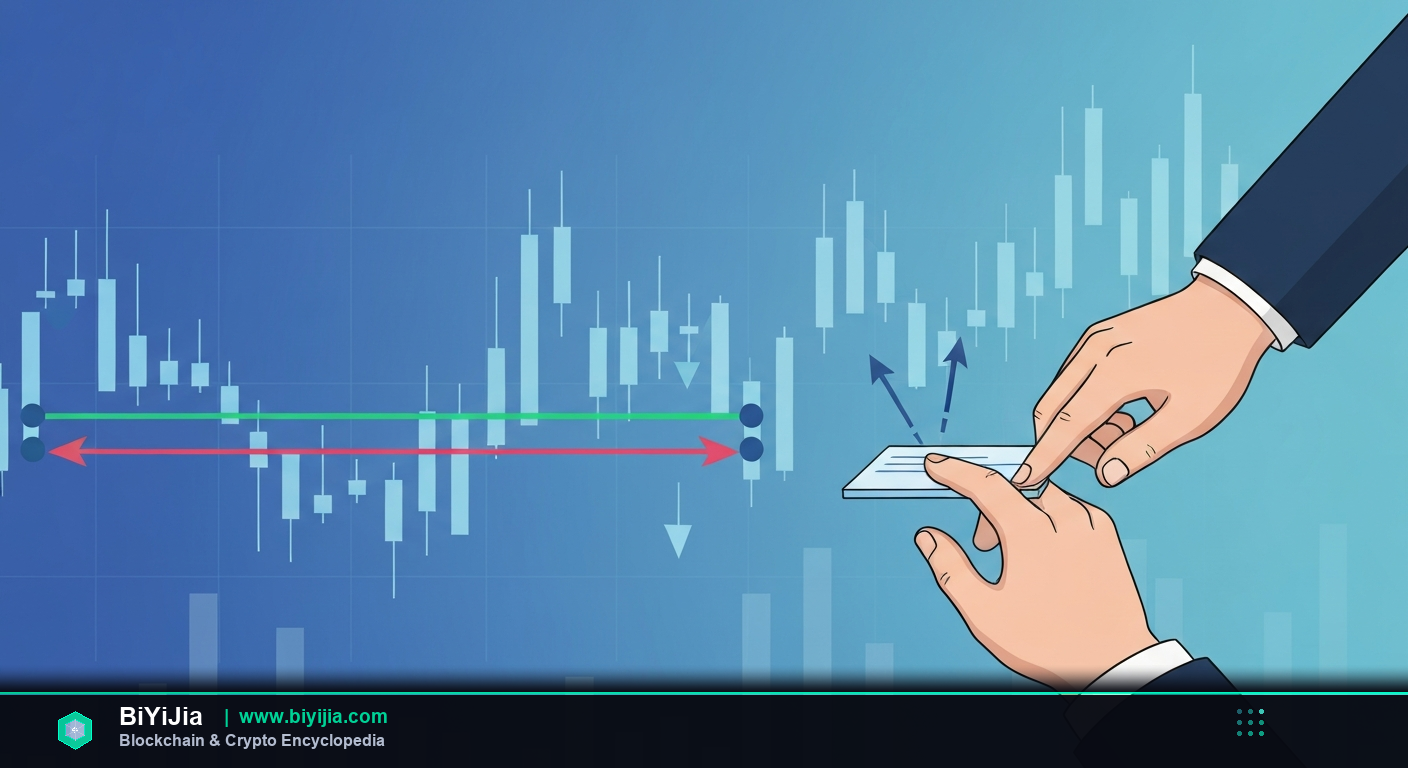
Perpetual Contract is a futures‑style derivative that never expires, letting traders keep positions open as long as they can meet funding payments.
Key Takeaways
- One‑liner: A perpetual contract is an expiry‑free futures product settled through regular funding rates.
- Core feature: Continuous funding payments keep contract price aligned with the underlying spot market.
- Real‑world use: Traders on Binance Futures, Bybit, and dYdX use perps to speculate on Bitcoin, ETH, and dozens of altcoins.
- Comparison: Unlike traditional futures, perps require no rollover or settlement date.
- Risk warning: High leverage and volatile funding can erode margin quickly.
What Is Perpetual Contract?
In plain language, a perpetual contract lets you buy or sell a cryptocurrency with leverage, without ever having to worry about an expiration date.
Technically, the contract mirrors a futures contract but replaces the fixed expiry with a periodic funding rate. Every eight hours (or another interval) long‑position holders pay short‑position holders (or receive payment) based on the price gap between the perpetual price and the underlying spot price. This mechanism nudges the two prices back together.
Think of it like renting a car: you pay a recurring fee to keep using it, and the fee adjusts depending on demand. If many people want the car, the rental price goes up, mirroring how funding rates rise when the contract price trades above spot.
How It Works
- Trader opens a leveraged position on a cryptocurrency pair (e.g., BTC/USD) using a margin deposit.
- The exchange calculates a funding rate based on the price difference between the perpetual and the spot market.
- At each funding interval, the rate is transferred between long and short sides, effectively settling the contract.
- If the trader’s margin falls below the maintenance requirement, a liquidation occurs to protect the system.
- The position can stay open indefinitely, as long as margin and funding obligations are met.
Core Features
- No Expiry: Positions never reach a predefined settlement date, eliminating roll‑over hassles.
- Funding Rate: A recurring payment that aligns the perpetual price with the spot price.
- Leverage: Traders can amplify exposure, often up to 100× on centralized platforms.
- Mark‑price Mechanism: Uses a weighted index to prevent price manipulation during liquidations.
- Cross‑Margin Support: Some platforms let you share margin across multiple positions.
- High Liquidity: Perps command deep order books, especially on major exchanges.
Real‑World Applications
- Binance Futures – The world’s largest crypto derivatives venue, offering over 150 perpetual contracts and reporting daily trading volume exceeding $30 billion in 2025.
- Bybit – Known for its user‑friendly UI, Bybit’s perpetual market handled $12 billion in average daily volume during Q2 2026.
- dYdX – A leading DeFi perpetual exchange where on‑chain funding rates are transparently posted; total open interest topped $5 billion in early 2026.
- Kraken Futures – Provides perps for both crypto and fiat‑settled contracts, with a notable Bitcoin perpetual open interest of $8 billion as of March 2026.
- Deribit – Historically a hub for options, Deribit’s perpetual futures contributed to 40% of its total derivatives volume in 2025.
Comparison with Related Concepts
Perpetual Contract vs Traditional Futures: Traditional futures have a set expiry and require daily settlement; perps keep the position alive indefinitely, using funding to tether prices.
Perpetual Contract vs Spot Trading: Spot involves outright ownership; perps provide exposure without owning the asset and introduce leverage and funding dynamics.
Perpetual Contract vs Options: Options grant the right, not the obligation, to trade at a strike price; perps are obligating contracts that must be settled via funding and margin.
Risks & Considerations
- Funding Rate Volatility: Sudden spikes can turn a modest position into a costly liability.
- Leverage Amplification: While leverage can boost profits, it also magnifies losses, often leading to rapid liquidation.
- Liquidity Gaps: In thin markets, slippage during entry or exit can erode expected returns.
- Counterparty Risk: Centralized platforms hold user funds; a security breach could jeopardize positions.
- Regulatory Uncertainty: Some jurisdictions treat perps as securities, potentially affecting availability.
Embedded Key Data
In 2024, perpetual contract trading volume on Binance Futures exceeded $250 billion, according to CryptoCompare.
A typical funding rate for Bitcoin perps hovered around 0.01% per 8‑hour interval in Q1 2025 (Deribit data).
Frequently Asked Questions
What is the difference between a perpetual contract and a perpetual future?
The terms are interchangeable; both describe an expiry‑free futures product that uses a funding rate for price alignment. Some platforms prefer “perpetual future” for branding, but the mechanics are identical.
How often are funding payments made?
Most exchanges calculate and settle funding every eight hours, though a few (like dYdX) use a three‑hour cadence. The exact interval is published in the contract specifications.
Can I trade perpetual contracts with zero leverage?
Yes. Setting leverage to 1× means you’re effectively trading the contract spot‑style, but you still incur funding payments and must meet margin requirements.
What happens if I cannot pay a funding fee?
Unpaid funding is deducted from your margin. If the resulting balance falls below the maintenance margin, the platform will liquidate your position to protect the system.
Are perpetual contracts available on decentralized platforms?
Absolutely. Protocols like dYdX, GMX, and Kwenta offer on‑chain perps where funding rates are settled directly in smart contracts, providing transparent and trustless execution.
Do funding rates affect my profit or loss?
Yes. Positive funding means longs pay shorts, reducing long‑side profits (or increasing losses). Negative funding does the opposite. Savvy traders factor expected funding into their P&L calculations.
Do perpetual contracts expire?
No. By design, they have no expiry date, which is why they’re often called “perps.” The perpetual nature is maintained through the continuous funding mechanism.
Summary
A perpetual contract is an expiry‑free, leveraged derivative settled via regular funding payments, making it a cornerstone of modern crypto derivatives trading. Mastering perps unlocks efficient exposure to price movements, but you must respect the associated leverage and funding risks. For deeper insight, explore Funding Rate, Leverage, No Expiry, and Futures Trading.