
Smart Contract refers to a self-executing code that automatically enforces the terms of an agreement on a blockchain.
Key Takeaways
- A smart contract is a program that runs on a blockchain and triggers actions when predefined conditions are met.
- Core features include immutability, transparency, and automatic execution without intermediaries.
- DeFi platforms, supply‑chain trackers, and NFT marketplaces rely on smart contracts for trustless interactions.
- Unlike traditional contracts, they remove the need for lawyers or escrow agents.
- Risks involve code bugs, network congestion, and regulatory uncertainty.
What Is Smart Contract?
In plain English, a smart contract is a self‑executing contract that lives on a blockchain and automatically enforces its own rules.
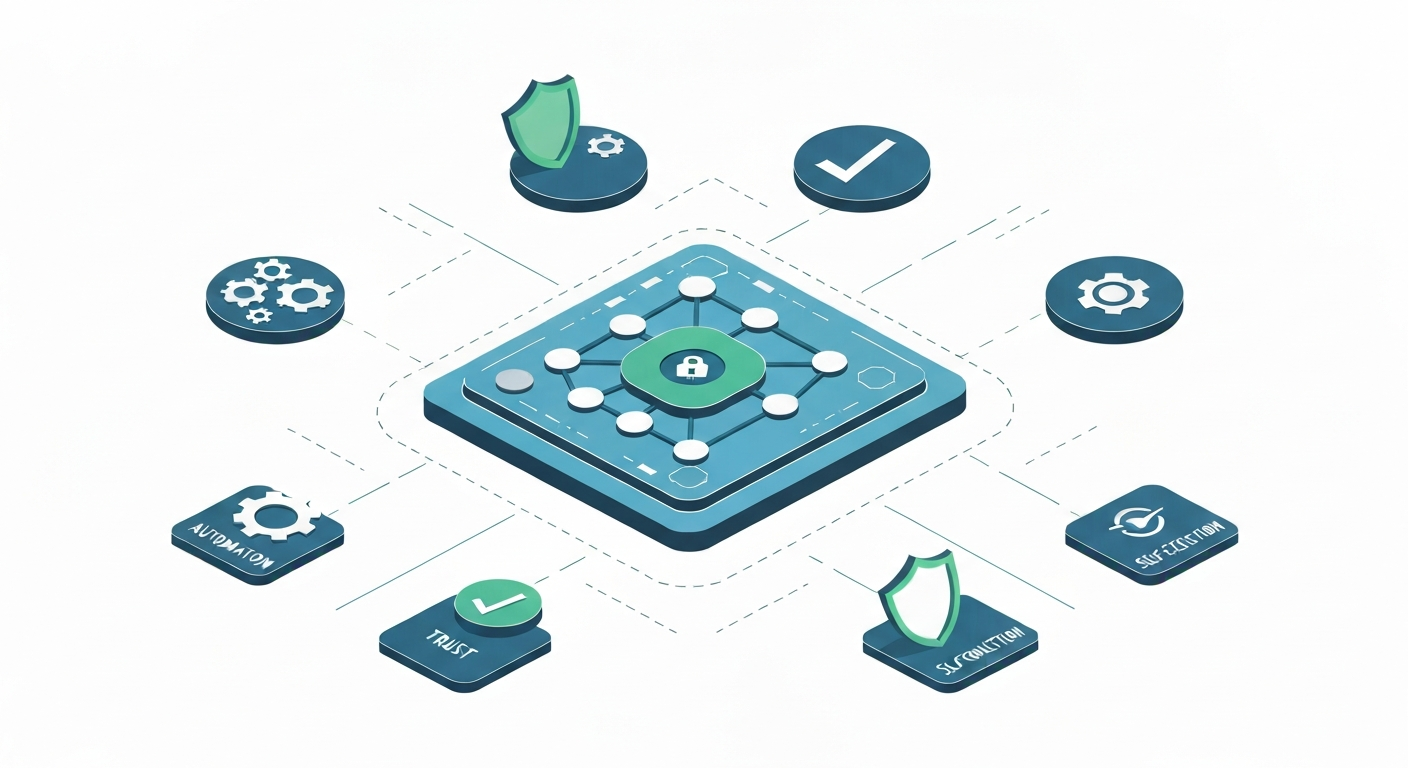
Technically, it’s a piece of code written in a language like Solidity that gets compiled into bytecode, stored on a decentralized ledger, and triggered by transactions. When the contract receives input that satisfies its conditional logic, it executes the associated actions—such as transferring tokens, updating a state variable, or calling another contract—without any human intervention. Because the code and its state are replicated across thousands of nodes, the outcome can’t be altered retroactively.
Think of a vending machine: you insert the correct amount of cash, press a button, and the machine dispenses a snack. You don’t need to trust a clerk; the machine’s internal logic guarantees the transaction. A smart contract works the same way, only the “machine” is a distributed computer network.
How It Works
- Deployment: A developer writes the contract in Solidity (or another blockchain language) and sends a deployment transaction. The network validates the bytecode and assigns a unique address, making the contract immutable thereafter.
- Triggering: Users interact by sending transactions to the contract’s address. Each transaction includes data that tells the contract which function to run and with what parameters.
- Execution: Nodes execute the contract’s code in a sandboxed environment called the EVM (Ethereum Virtual Machine). The code checks the supplied conditions, updates state, and may emit events.
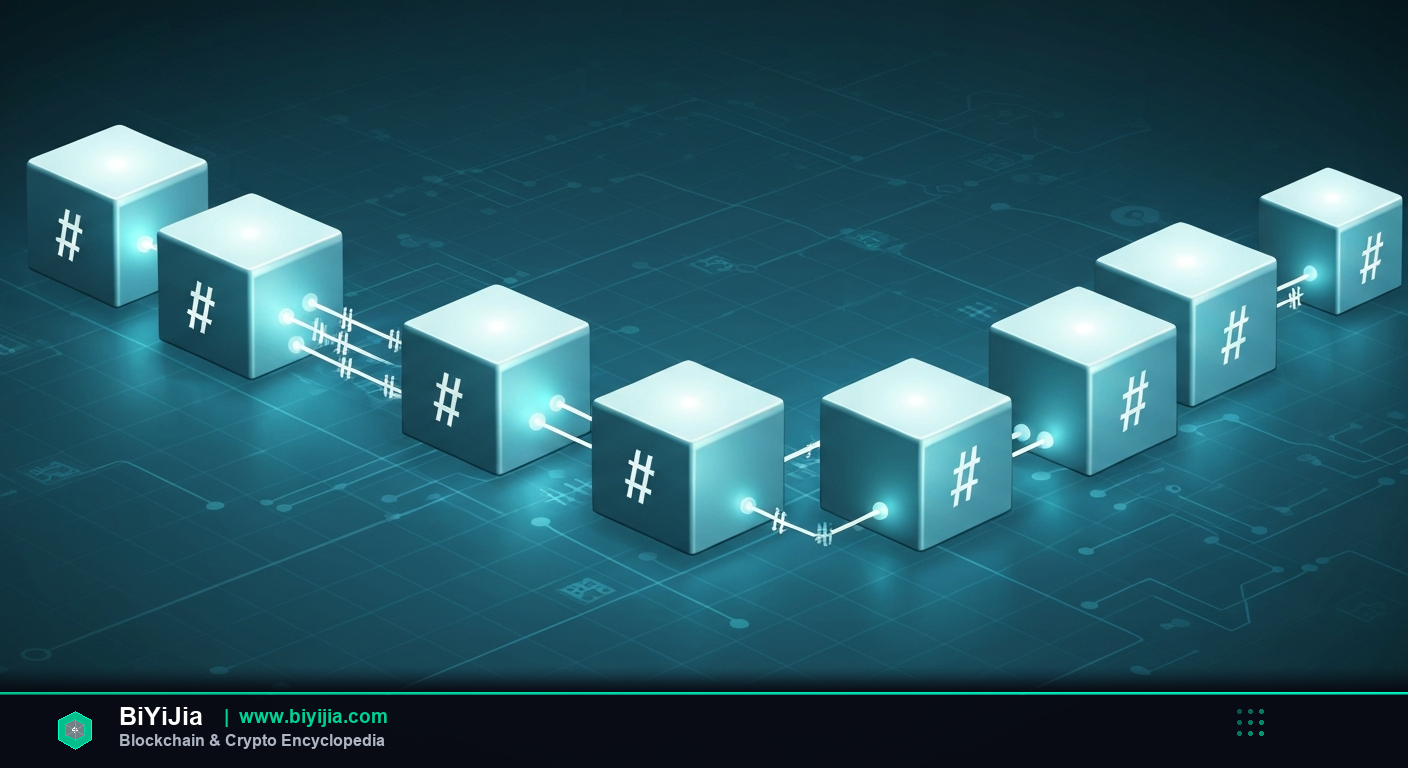
- Finality: Once the transaction is mined into a block, the state changes become part of the blockchain’s permanent record. No party can retroactively modify the outcome.
- Cost: Every computational step consumes Gas, which users pay for in the native cryptocurrency (e.g., ETH). This fee deters spam and incentivizes miners to include the transaction.
Core Features
- Immutability: After deployment, the contract’s code cannot be altered, ensuring consistent behavior.
- Transparency: Anyone can read the source code and audit the contract’s logic, fostering trust.
- Automation: Conditions are evaluated automatically, eliminating manual processing delays.
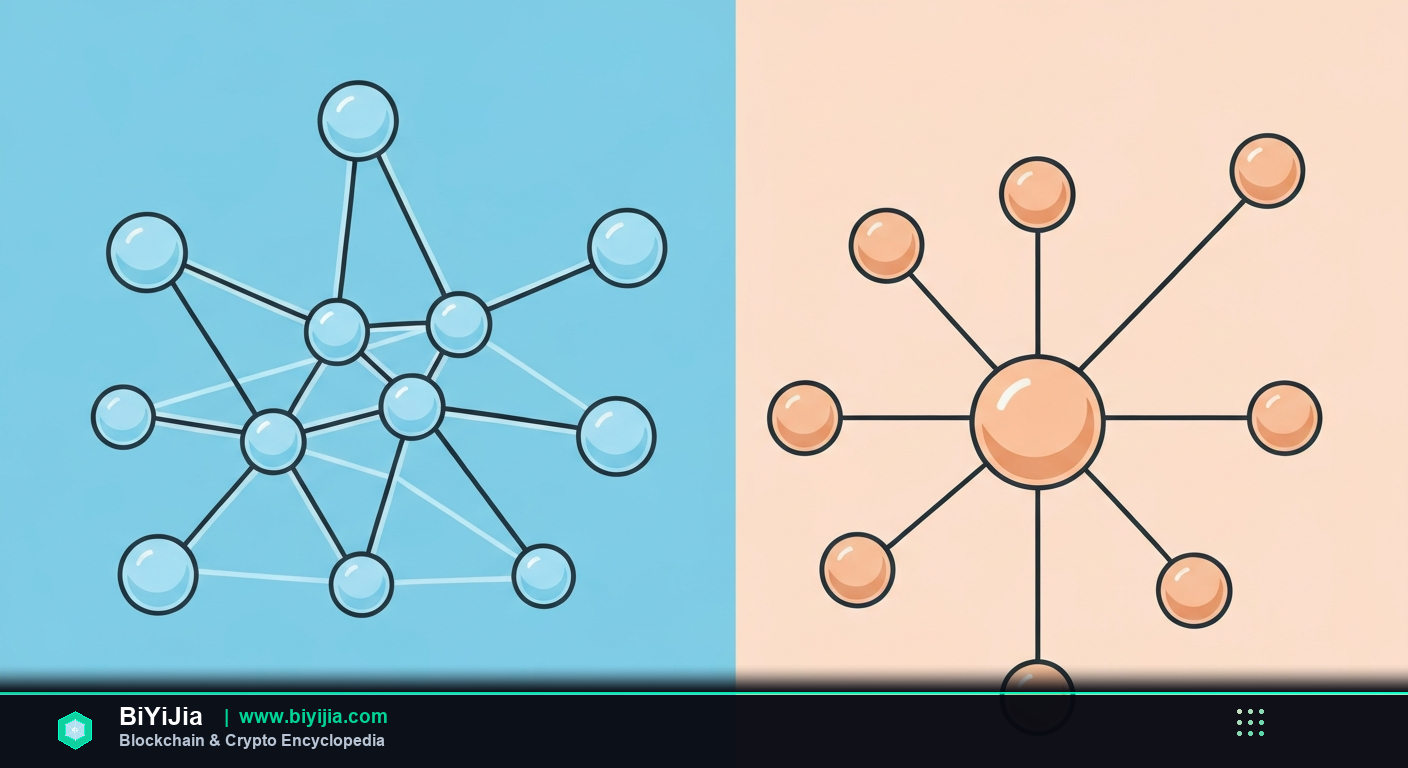
- Trustlessness: Parties do not need to know or trust each other; they only need to trust the code and the underlying blockchain.
- Interoperability: Contracts can call other contracts, enabling complex ecosystems like DApps.
Real-World Applications
- Uniswap – A decentralized exchange that uses smart contracts to swap ERC‑20 tokens instantly; over $12B in daily volume in Q1 2026 ([source: Dune Analytics]).
- Chainlink – Provides decentralized oracle services, feeding off‑chain data into smart contracts; supports more than 300 projects as of 2026.
- Axie Infinity – An NFT‑based game where smart contracts manage ownership, breeding, and marketplace transactions; generated $2.1B in revenue in 2025.
- USDC Stablecoin – Issued via smart contracts that lock collateral and mint tokens on demand; total circulation surpassed $45B in 2026.
Comparison with Related Concepts
Smart Contract vs Traditional Contract: Traditional contracts rely on legal language and external enforcement (courts, notaries). Smart contracts embed enforcement logic in code, executing automatically when conditions are met, and they leave a tamper‑proof audit trail on the blockchain.
Smart Contract vs DApp: A DApp (decentralized application) is a user‑facing front‑end that interacts with one or more smart contracts. The contract handles the back‑end logic, while the DApp provides the UI/UX layer.
Smart Contract vs Gas: Gas is the computational fuel that powers contract execution. Without sufficient gas, a contract call will fail, whereas a smart contract is the program that consumes gas.
Risks & Considerations
- Code Vulnerabilities: Bugs like re‑entrancy or integer overflow can be exploited, leading to loss of funds (e.g., the DAO hack of 2016).
- Network Congestion: High demand spikes gas prices, making contract interactions prohibitively expensive; during the 2022 ETH surge, average gas fees topped $100.
- Immutable Mistakes: Once deployed, a faulty contract cannot be patched without a migration, locking users into flawed logic.
- Regulatory Gray Area: Jurisdictions are still defining how smart contracts fit into existing legal frameworks, creating compliance uncertainty.
Embedded Key Data
According to Dune Analytics, more than $150 billion in value was locked in Ethereum smart contracts during Q4 2025, highlighting their central role in the ecosystem.
In 2026, the average gas price on the Ethereum network settled around 15 gwei, a 30 % drop from the 2022 peak, thanks to Layer‑2 rollups gaining mainstream adoption.
Frequently Asked Questions
What is the difference between a smart contract and a regular contract?
A regular contract is a legal document that requires parties to act in good faith and often needs a court to enforce it. A smart contract, by contrast, is code that self‑executes on a blockchain; it enforces terms automatically and provides a transparent audit trail.
Do smart contracts need to be written in Solidity?
No. While Solidity dominates the Ethereum ecosystem, other languages exist: Vyper, Rust (for Solana), Move (for Aptos), and Michelson (for Tezos). The choice depends on the target blockchain and developer preference.
Can I modify a smart contract after it’s deployed?
Direct modification is impossible because the code is immutable. Developers can design upgradeable patterns—like proxy contracts—that delegate calls to a new implementation, but this adds complexity and potential security risks.
How much does it cost to deploy a smart contract?
Deployment cost is a function of contract size and the current gas price. On Ethereum in 2026, a typical ERC‑20 token contract costs between $50‑$150 to deploy, though cheaper alternatives exist on Layer‑2 solutions.
Are smart contracts legal?
Legality varies by jurisdiction. Some regions recognize them as binding agreements if they meet traditional contract criteria (offer, acceptance, consideration). Others treat them as executable code without legal standing, so consultation with legal counsel is advised.
Summary
Smart contracts are self‑executing programs that enforce agreement terms on a blockchain, powering everything from DeFi to NFTs. Understanding their mechanics, benefits, and risks is essential for anyone navigating the modern crypto landscape. Explore related terms like [internal link: Ethereum], [internal link: Solidity], [internal link: DApp], and [internal link: Gas] to deepen your knowledge.