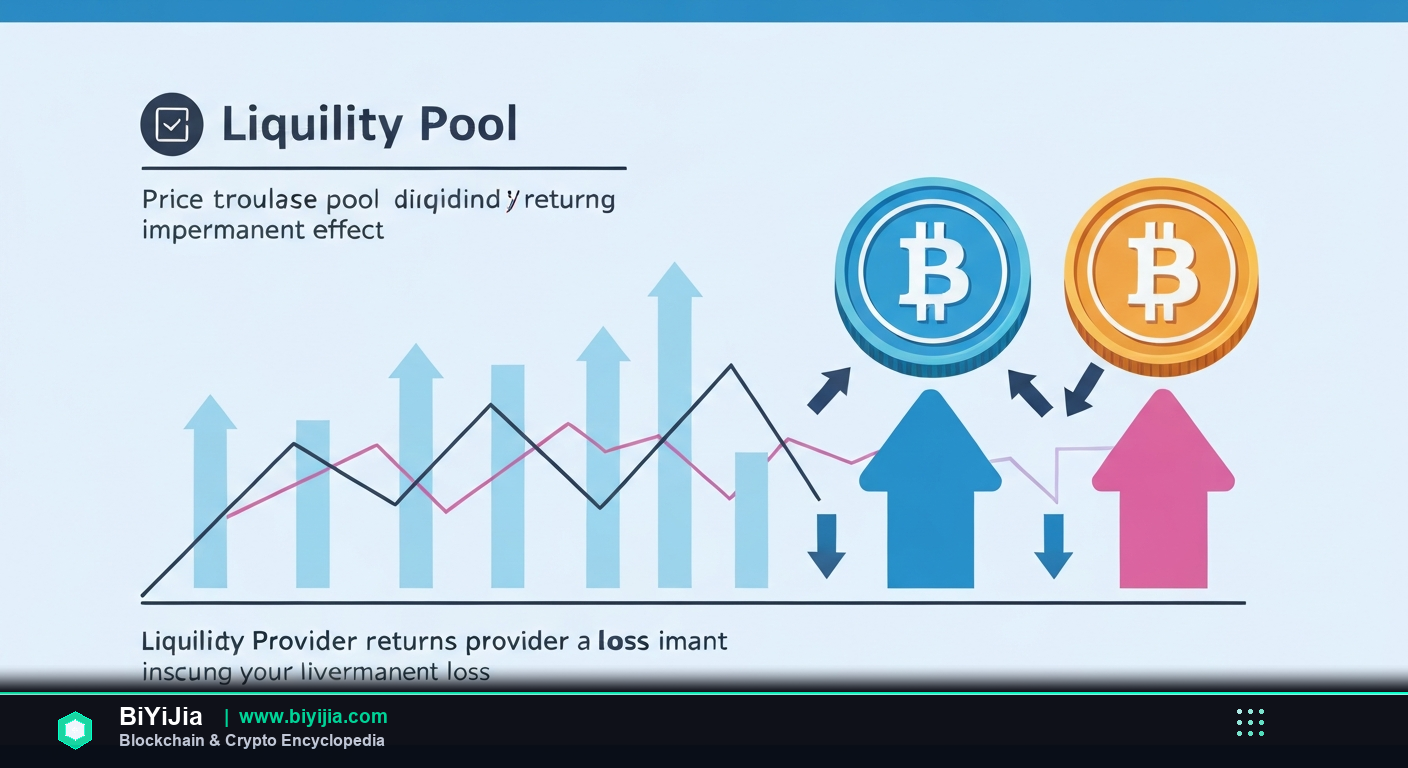
Impermanent Loss refers to the temporary reduction in value that liquidity providers experience when the price ratio of the assets in a Liquidity Pool diverges, compared to simply holding the assets.
Key Takeaways
- Impermanent Loss is the difference between holding assets and providing them to a Liquidity Pool.
- It occurs when price divergence happens between the pooled tokens.
- LPs can still earn fees that may offset the loss, especially in high‑volume AMMs.
- Unlike traditional market risk, IL is unique to Automated Market Makers.
- Understanding IL is essential before committing capital to any DeFi protocol.
What Is Impermanent Loss?
Impermanent Loss is the loss a liquidity provider (LP) incurs when the relative price of the deposited tokens changes after they are added to a liquidity pool.
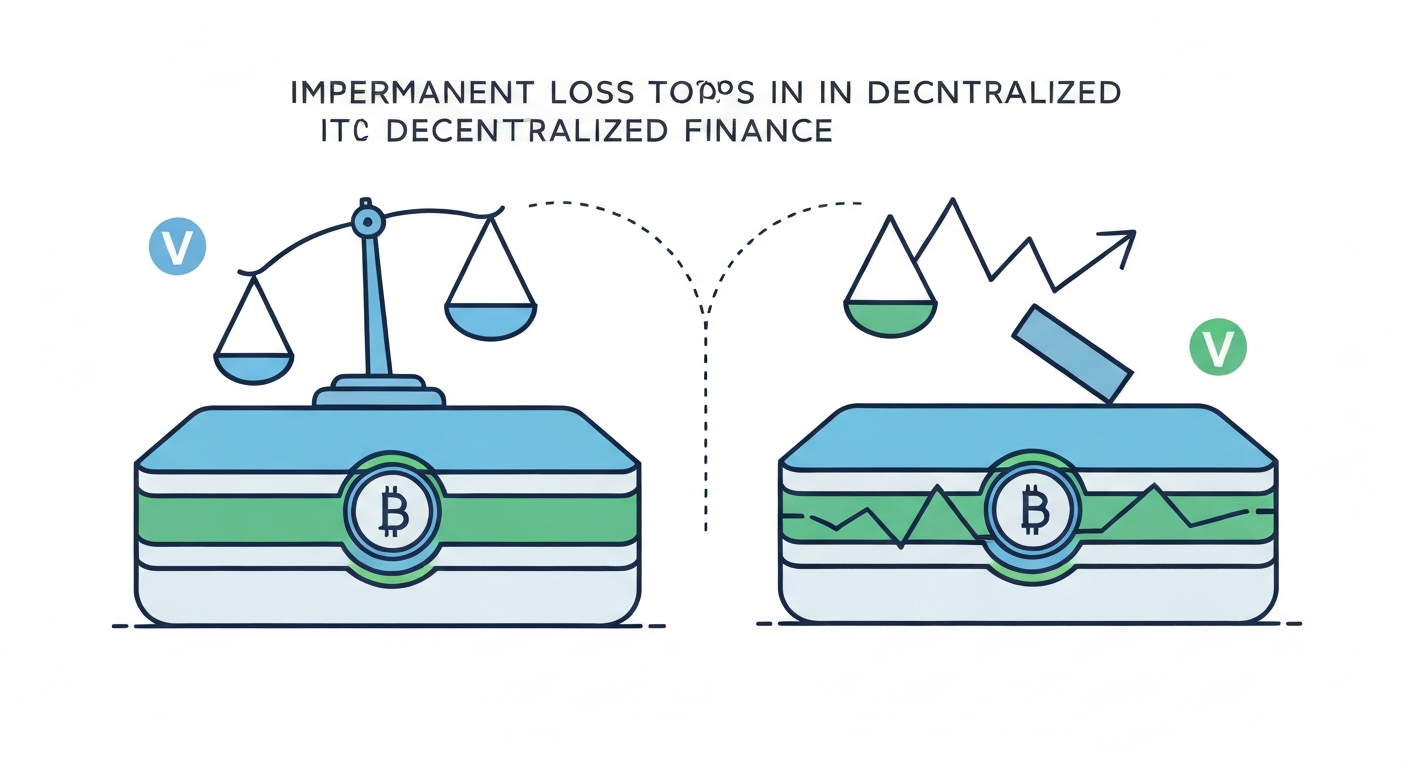
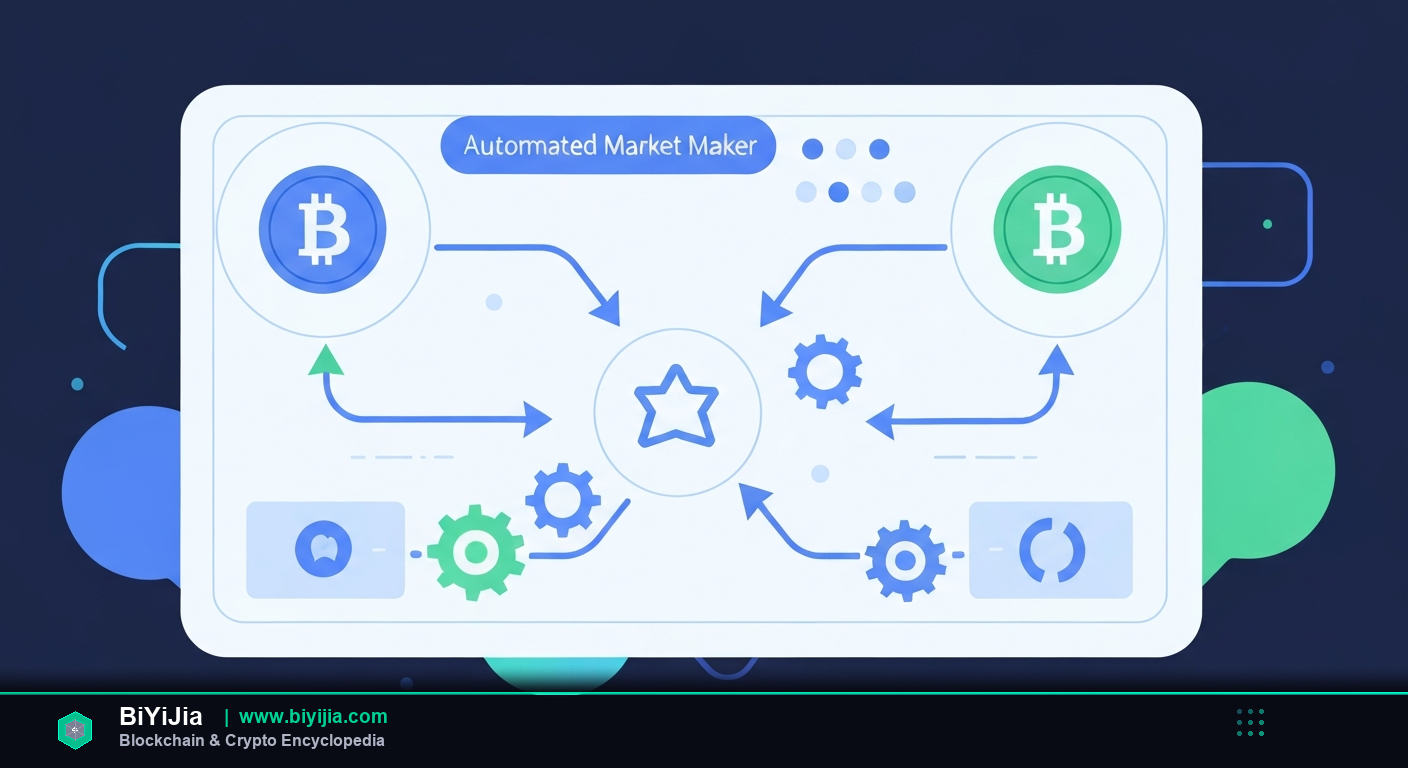
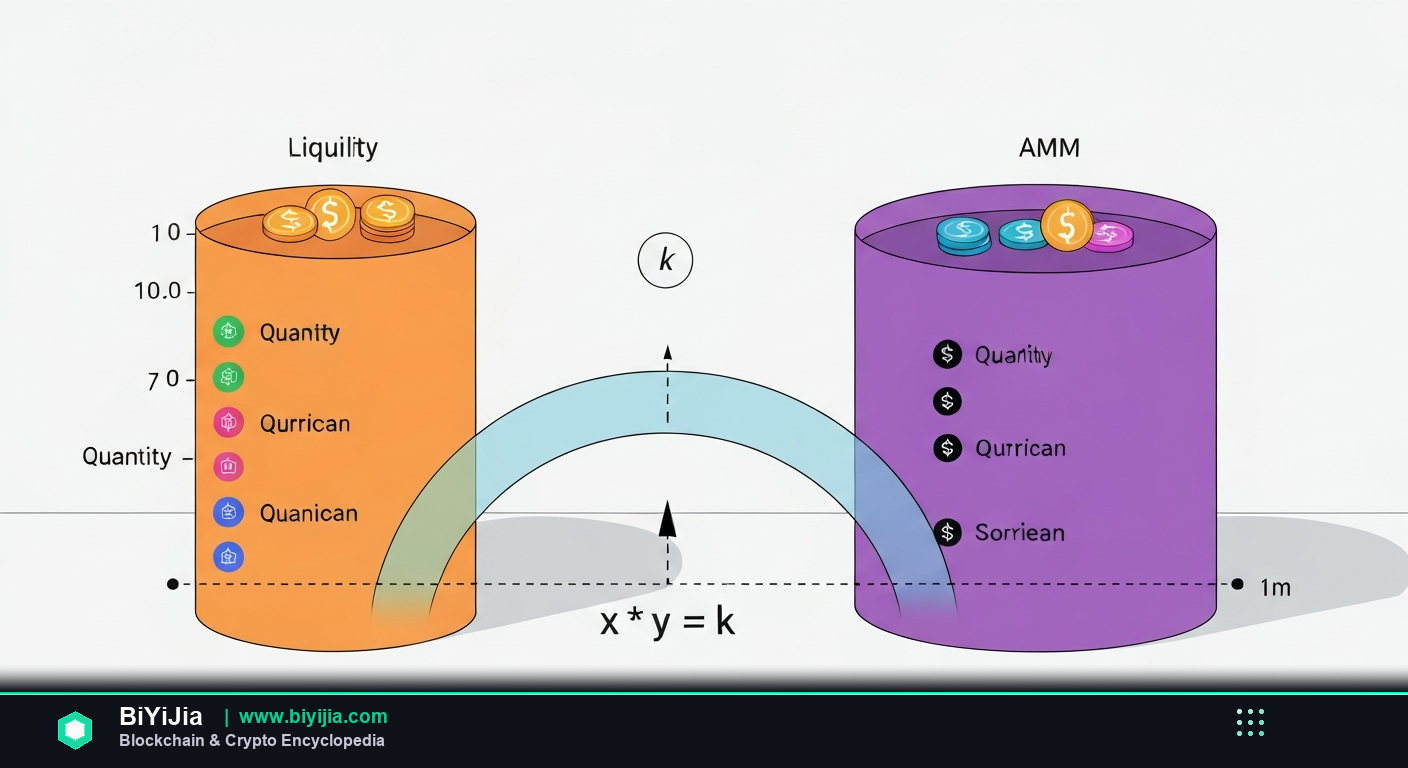
In technical terms, an AMM (Automated Market Maker) keeps a constant product formula (x·y=k) to price assets. When the market price of one token moves away from the pool’s internal price, the pool automatically rebalances, causing the LP’s share to contain a different proportion of each token than originally deposited. The value of that share, when measured against simply holding the two tokens, can be lower – that shortfall is the impermanent loss.
Think of it like parking your car in a valet service that occasionally swaps your vehicle for a different model based on demand. If the market price of the swapped car goes up, you’ve lost out compared to just keeping your original car in the garage.
How It Works
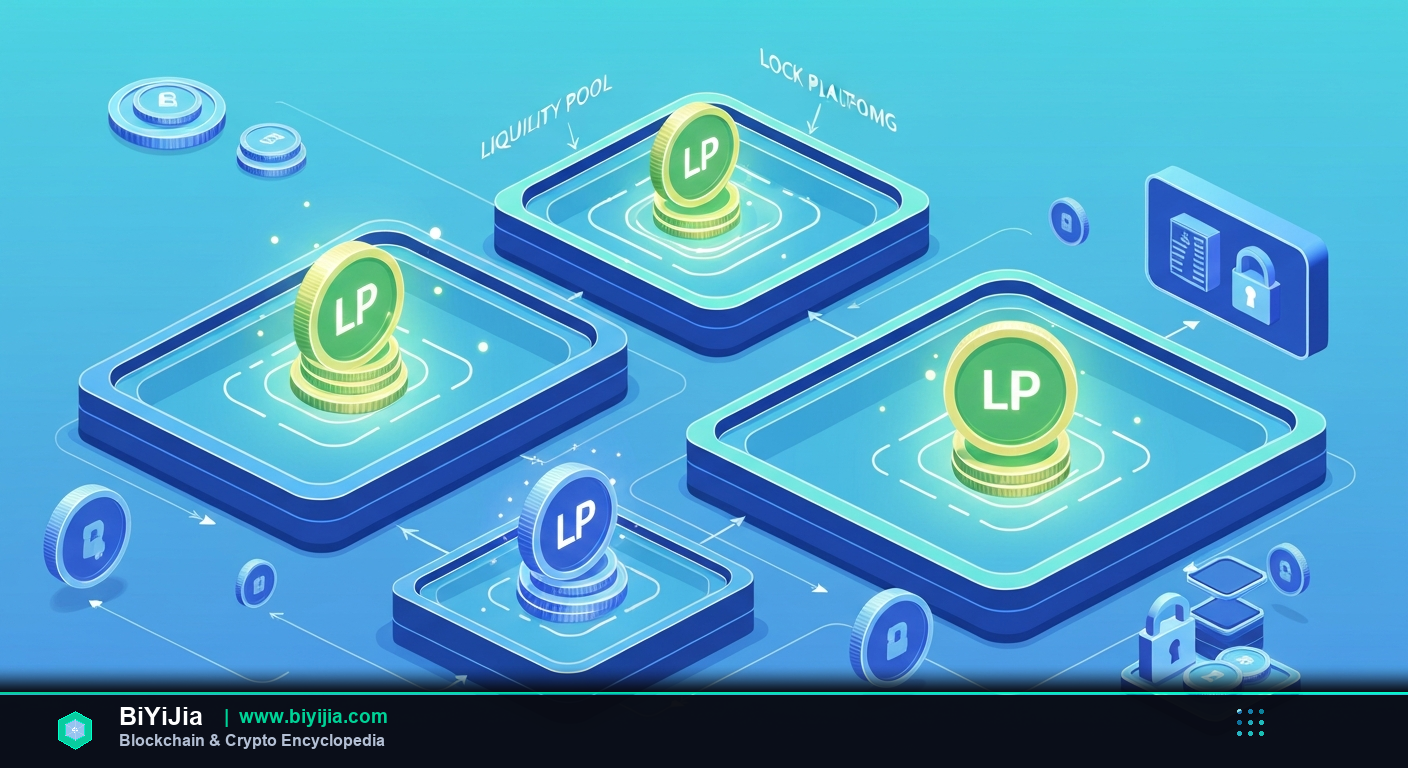
- You deposit two assets into a Liquidity Pool, typically in a 50/50 value ratio.
- The AMM uses a constant product formula to set internal prices and allow trades without an order book.
- When external market prices diverge, traders arbitrage the pool, shifting the asset ratios inside.
- Your share now holds a different mix, usually more of the underperforming asset and less of the outperforming one.
- If you withdraw at this point, the total value of your share is lower than if you had simply held the original assets – that gap is the impermanent loss.
Core Features
- Dynamic Rebalancing: The pool continuously adjusts token ratios to maintain the constant product, which is the root cause of IL.
- Fee Compensation: Trading fees accrued by the pool can offset the loss; the net effect depends on volume and fee tier.
- Time Dependency: The loss is “impermanent” because it can shrink or disappear if prices reconverge before withdrawal.
- Price Divergence Sensitivity: Larger price swings lead to higher IL; stable‑coin pairs experience minimal loss.
- Protocol Specificity: Different AMM designs (e.g., Uniswap V3 concentrated liquidity, Curve’s stable‑coin curves) exhibit varying IL profiles.
- Risk Transparency: Most platforms display an IL calculator, letting LPs estimate potential loss before committing.
Real-World Applications
- Uniswap V3 – Offers concentrated liquidity, allowing LPs to narrow price ranges and reduce IL; average IL reported at 2.1% for BTC/ETH pools in 2025.
- Curve Finance – Optimized for stablecoins; IL on USDC/DAI pools stays under 0.1% even during market turbulence.
- SushiSwap – Provides “Trident” v2 pools with configurable fee tiers; IL can be partially mitigated by higher fee settings.
- Balancer – Multi‑asset pools (e.g., 40/30/30) spread risk, but IL still occurs when any asset diverges significantly.
- PancakeSwap – On Binance Smart Chain, IL for BNB/USDT pools averaged 3.4% in 2024, partially offset by BNB’s high transaction fees.
Comparison with Related Concepts
Impermanent Loss vs Liquidity Pool: A Liquidity Pool is the vehicle that holds assets; Impermanent Loss is the potential downside you face when using that vehicle.
Impermanent Loss vs AMM: AMM is the algorithmic engine that powers swaps; IL is a side effect of how the AMM maintains price equilibrium.
Impermanent Loss vs LP: LP describes the role of the participant; IL quantifies the risk that role entails.
Impermanent Loss vs Price Divergence: Price Divergence is the cause (the market moving away from the pool’s internal price); IL is the resulting value gap.
Risks & Considerations
- High Volatility Risk: Tokens with large price swings generate steep IL, potentially eroding fee earnings.
- Opportunity Cost: Holding assets in a pool may prevent you from capitalizing on bullish runs outside the pool.
- Smart Contract Risk: Bugs or exploits in the AMM code can compound losses beyond IL.
- Liquidity Drain: Low volume pools may not generate enough fees to offset IL.
- Regulatory Uncertainty: Changes in DeFi regulation could affect pool incentives, indirectly influencing IL exposure.
Embedded Key Data
According to Dune Analytics, LPs on Uniswap V3 faced an average impermanent loss of 4.2% across top‑10 token pairs in 2024, while fee revenue averaged 5.8% per annum.
A 2025 report by The Block showed that impermanent loss accounted for roughly 12% of total yield erosion among the ten largest AMM protocols, highlighting its material impact on net returns.
Frequently Asked Questions
What is impermanent loss and how is it calculated?
Impermanent loss measures the difference between the value of tokens held in a Liquidity Pool and the value if those tokens were simply held in a wallet. It is calculated using the constant product formula and the relative price change of the assets, typically expressed as a percentage.
Can impermanent loss ever become permanent?
Yes. If you withdraw your liquidity while the price ratio remains divergent, the loss becomes realized. The term “impermanent” only applies if the assets' relative price returns to the original ratio before you exit.
Do trading fees fully offset impermanent loss?
Not always. High‑volume pools with generous fee tiers can neutralize or even surpass IL, especially for stable‑coin pairs. For volatile assets, fees often fall short, leaving a net negative yield.
How does Uniswap V3 reduce impermanent loss?
Uniswap V3 lets LPs concentrate liquidity in a narrow price band. By limiting exposure to price ranges where they expect minimal movement, LPs can dramatically cut IL while still earning fees when trades occur within that band.
Is impermanent loss unique to DeFi?
While the mechanics are specific to Automated Market Makers in Decentralized Finance (DeFi), the underlying concept—loss from price divergence versus holding—is analogous to certain traditional market maker risks, albeit executed algorithmically.
Should I avoid providing liquidity altogether?
Not necessarily. If you select low‑volatility pairs, use fee‑rich pools, or employ strategies like liquidity mining that add extra rewards, the net return can still be attractive. Understanding IL is the first step to managing it.
Summary
Impermanent loss is the value gap that arises when the price ratio of assets in a Liquidity Pool diverges from the market, potentially eroding LP earnings. Grasping how IL works, its risks, and mitigation tactics is essential for anyone looking to earn yields in DeFi while navigating the nuances of AMM dynamics.