Key Takeaways
- Liquidity Mining is the process of supplying assets to a DeFi pool and earning native tokens as incentive.
- Core features include LP tokens, variable APY, and exposure to impermanent loss.
- Projects like Uniswap, Curve, and SushiSwap let users turn idle crypto into passive income.
- Compared to traditional savings accounts, returns are higher but come with smart‑contract risk.
- Risk warning: rewards can evaporate quickly if token prices tumble or contracts are exploited.
What Is Liquidity Mining?
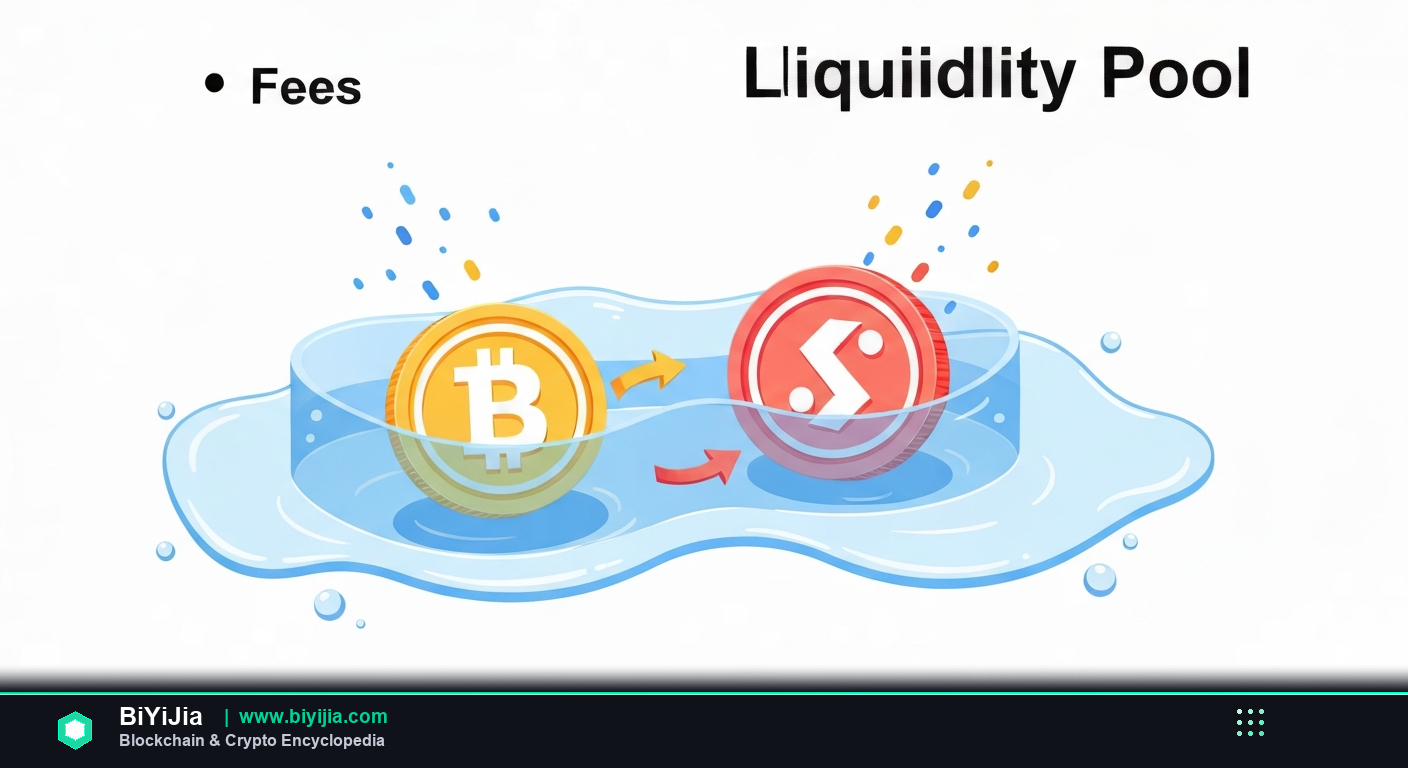
Liquidity mining is the act of depositing crypto into a decentralized pool and earning extra tokens as a reward.
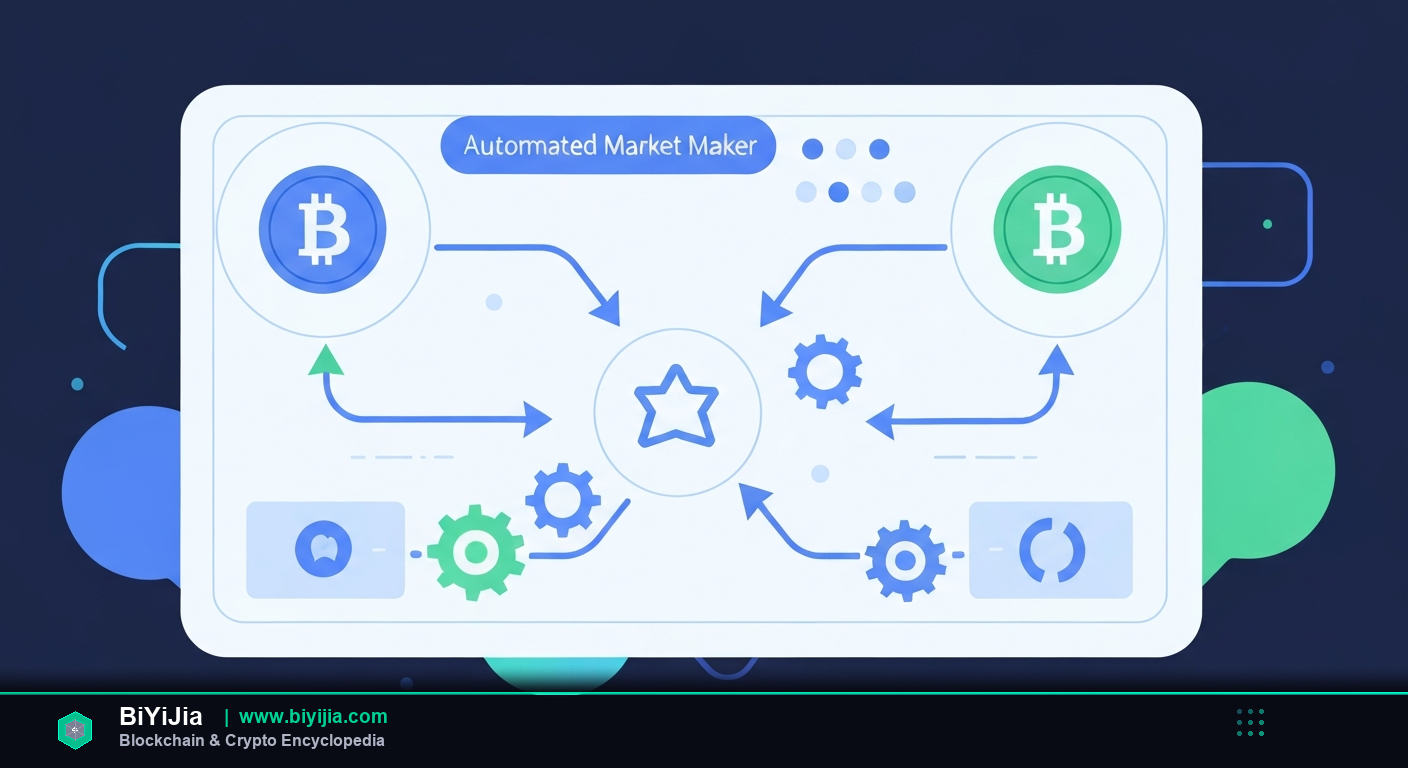
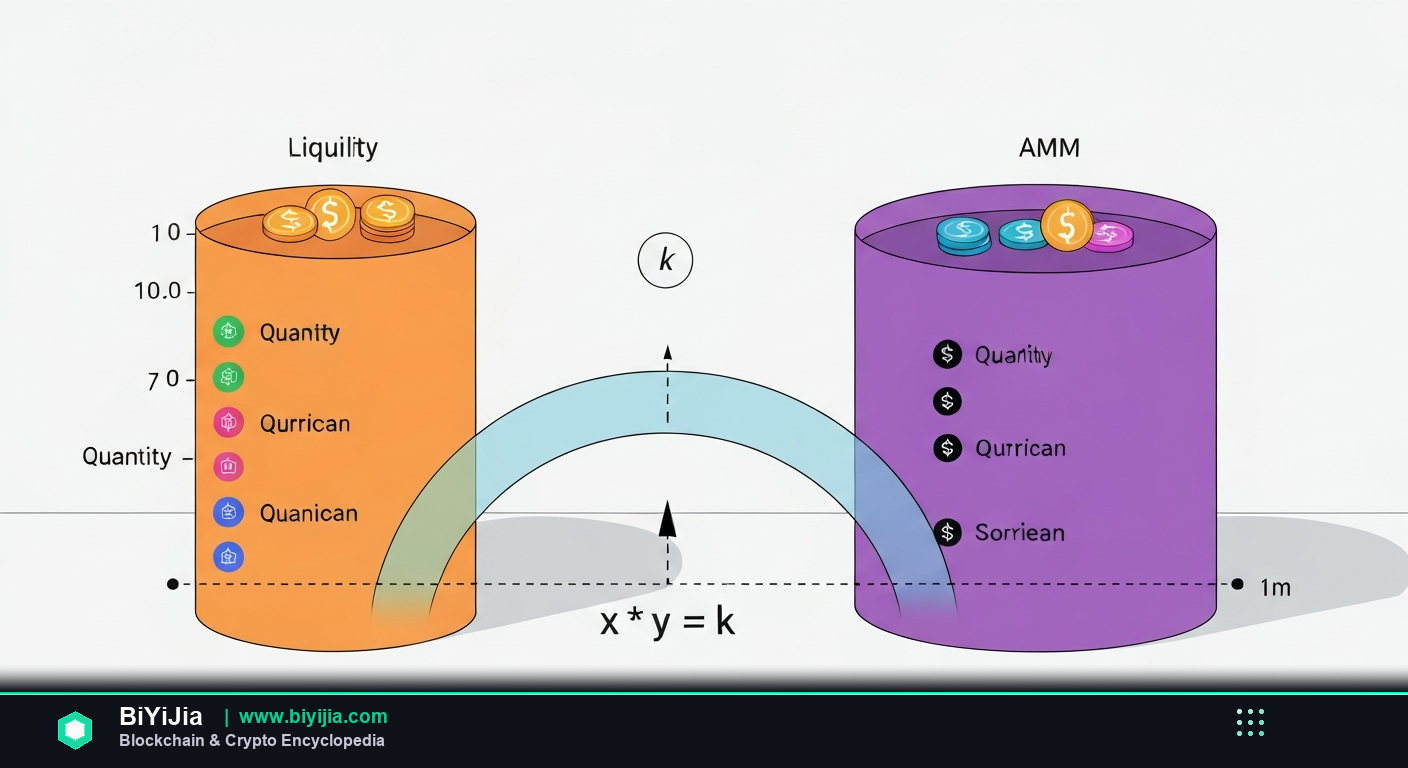
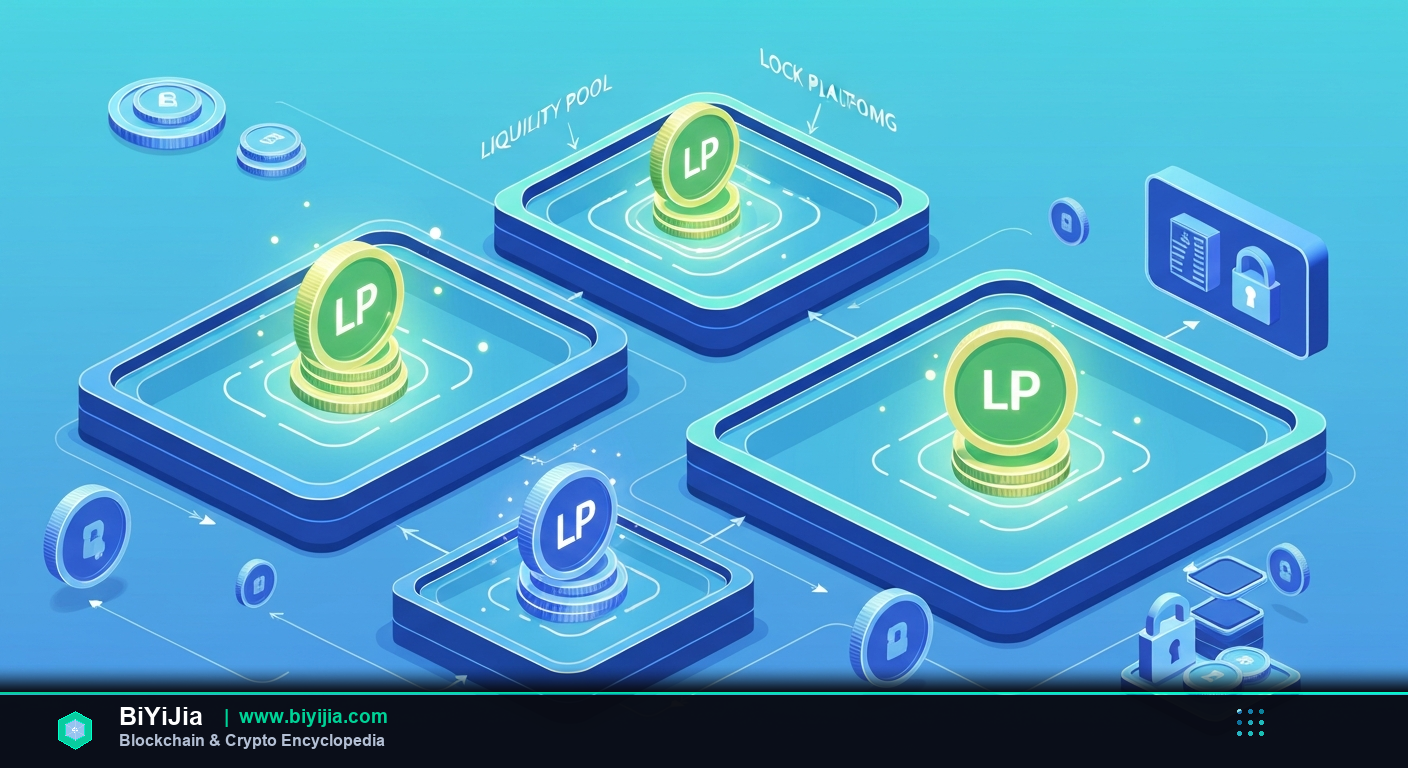
In practice, a user locks two assets—say ETH and USDC—into a smart contract that powers an automated market maker (AMM). The contract issues an [internal link: LP Token] representing the share of the pool. The protocol then distributes its native governance or utility token to LP holders, creating a yield stream that can be expressed as an APY.
Think of it like a farmers' market where you bring fresh produce (your crypto) and, in exchange for helping the market stay stocked, you receive a share of the market’s profit in the form of coupons (the reward tokens).
How It Works
- Choose a DeFi platform that runs a liquidity mining program and connect your wallet.
- Deposit a pair of assets into the designated pool; the protocol mints an [internal link: LP Token] that tracks your contribution.
- The platform allocates reward tokens proportionally to each LP token holder, often on a per‑block basis.
- You can claim, restake, or sell the rewards; many users opt to reinvest to compound their earnings.
- When you withdraw, you burn your LP tokens and receive your original assets back, minus any impermanent loss.
Core Features
- LP Token: A receipt that proves ownership of a share in the pool and is required to claim rewards.
- Variable APY: Annualized percentage yield that fluctuates based on pool size, token price, and reward schedule.
- Governance Incentives: Many projects reward participants with governance tokens, giving them voting power.
- Composable: Liquidity can be stacked into other DeFi primitives, like lending or borrowing, to boost yields.
- Time‑Based Rewards: Some programs front‑load rewards to attract early adopters, then taper off.
Real-World Applications
- Uniswap v3 – Offers concentrated liquidity mining with reward rates that can exceed 40% APY on popular pairs (source: Uniswap analytics, Q1 2026).
- Curve Finance – Specializes in stablecoin pools; LPs earned an average of 28% APY in March 2026, according to DefiLlama.
- SushiSwap – Runs the “MISO” launchpad where new tokens are distributed to LPs as part of the initial offering.
- Aave – Allows users to provide liquidity to its “aToken” market and earn both interest and AAVE token rewards.
- PancakeSwap – The leading BSC AMM where LPs can farm CAKE tokens alongside their liquidity provision.
Comparison with Related Concepts
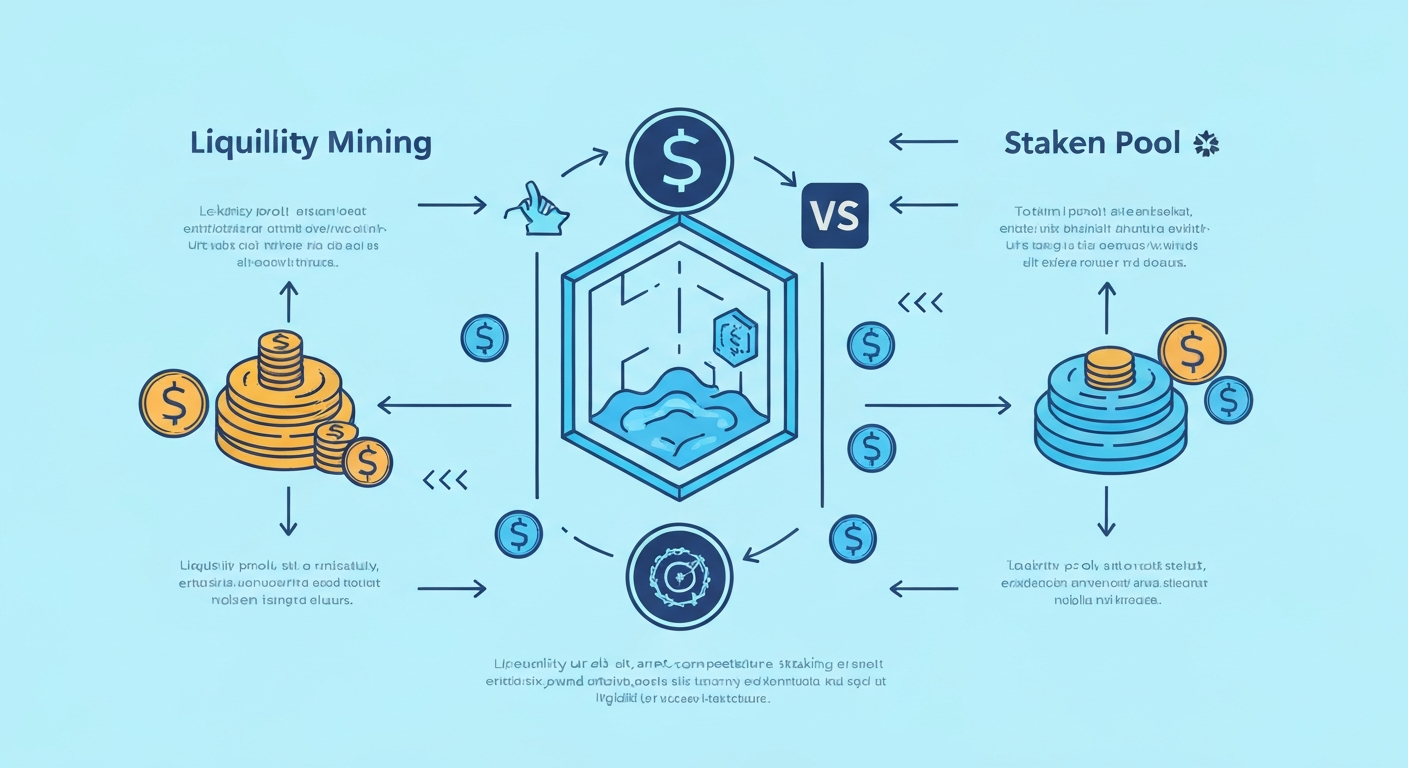
Liquidity Mining vs Yield Farming: Both involve earning rewards on crypto, but liquidity mining specifically requires providing assets to an AMM pool, while yield farming can include staking, lending, or any DeFi strategy that generates yield.
Liquidity Mining vs Staking: Staking locks a single token to secure a network; liquidity mining locks a pair of tokens to enable trading and earn extra tokens on top.
Liquidity Mining vs Traditional Savings: Savings accounts offer fixed, low interest with FDIC protection; liquidity mining offers potentially higher, variable returns but carries smart‑contract and market risk.
Risks & Considerations
- Impermanent Loss: When the price ratio of the two assets shifts, the value of your withdrawn assets can be lower than if you simply held them.
- Smart‑Contract Vulnerability: Bugs or exploits can drain the entire pool; always audit the code or rely on well‑established platforms.
- Reward Token Volatility: The native token you earn may crash in price, eroding the nominal APY.
- Regulatory Uncertainty: Some jurisdictions may classify reward tokens as securities, affecting tax and legal treatment.
- Liquidity Drain: Large withdrawals can cause slippage and affect the pool’s ability to execute trades efficiently.
Embedded Key Data
According to Dune Analytics, total value locked in liquidity mining contracts reached $45 billion in Q1 2026, marking a 27% year‑over‑year increase.
Yield farming on Uniswap v3 generated an average APY of 32% in March 2026, per DefiLlama’s weekly report, making it one of the highest‑yielding pools for ETH/USDC.
Frequently Asked Questions
What is the difference between LP mining and regular yield farming?
LP mining is a subset of yield farming where you provide a two‑asset liquidity pair to an AMM and earn rewards. Regular yield farming can also include staking single tokens, lending on platforms, or using vault strategies that don’t require a liquidity pair.
How do I calculate the APY for a liquidity mining pool?
Most dashboards display a live APY based on current reward emission rates, pool size, and token price. You can also estimate it manually: (Reward per block × Blocks per year × Reward token price) ÷ (Total value locked) × 100%.
Can I lose money from impermanent loss even if the reward token price goes up?
Yes. If the price divergence between the two assets in the pool is large enough, the loss from the price shift can outweigh the gains from the reward token, especially if the reward’s price growth is modest.
Is it safe to use new liquidity mining programs?
New programs often offer high initial yields to attract users, but they may lack thorough audits. In my experience, it’s wiser to start with audited, widely used platforms before chasing the biggest APY numbers.
Do I need to claim my rewards manually?
Most protocols let you claim at any time via the UI, but some auto‑compound the rewards into your LP position. Auto‑compounding can boost returns but also locks the rewards for a longer period.
Summary
Liquidity mining turns idle crypto into a passive income stream by rewarding users who supply assets to DeFi pools. While the upside can dwarf traditional savings, the risk profile—impermanent loss, smart‑contract bugs, and token volatility—requires careful consideration. Explore related concepts like [internal link: LP Token], [internal link: APY], and [internal link: Impermanent Loss] to deepen your DeFi toolkit.