Key Takeaways
- Definition: A liquidity pool is a smart contract holding two or more assets that powers automated swaps.
- Core features: Constant product pricing, LP tokens, and on‑chain composability.
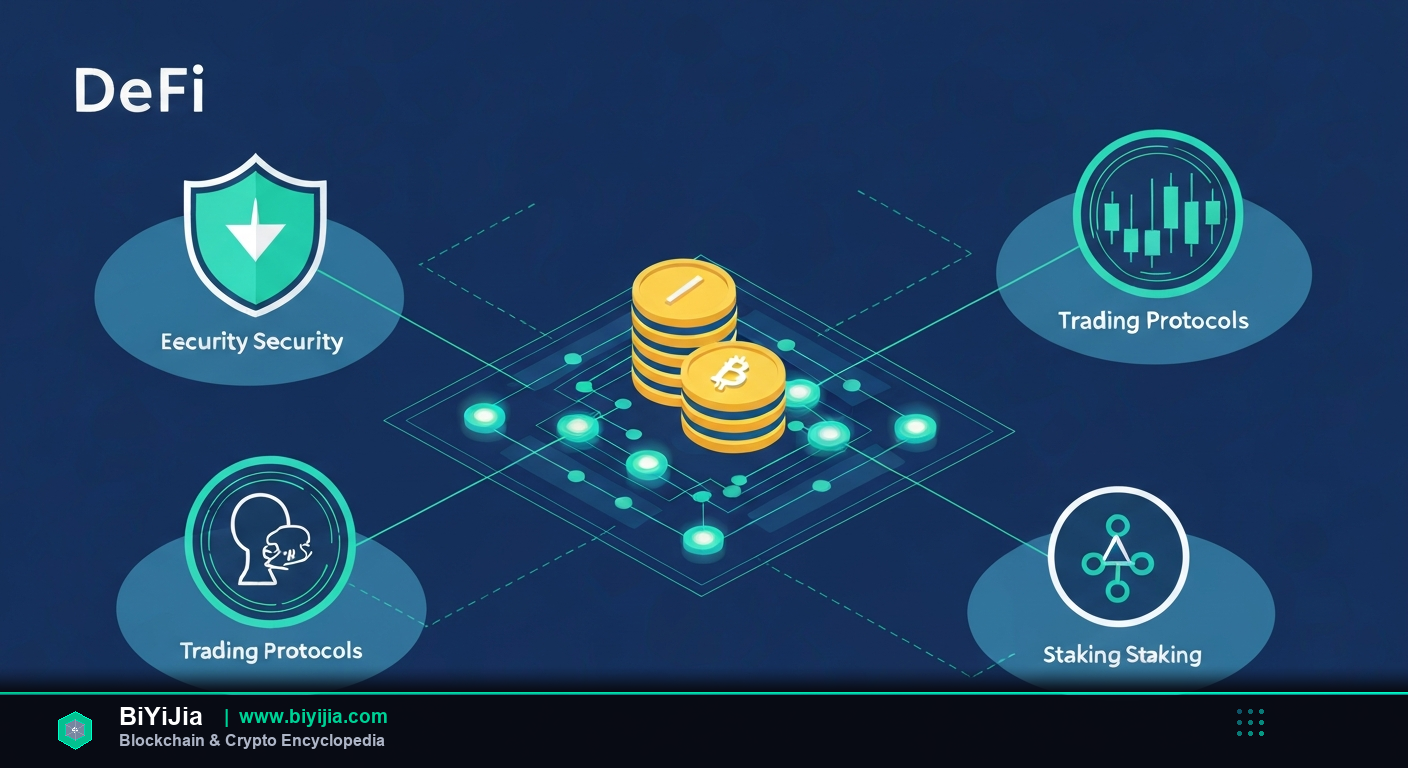
- Real‑world use: Powers DEXs like Uniswap, lending platforms, and synthetic asset issuers.
- Traditional comparison: Replaces centralized order books with algorithmic pricing.
- Risk warning: Impermanent loss and smart‑contract vulnerabilities can erode returns.
What Is Liquidity Pool?
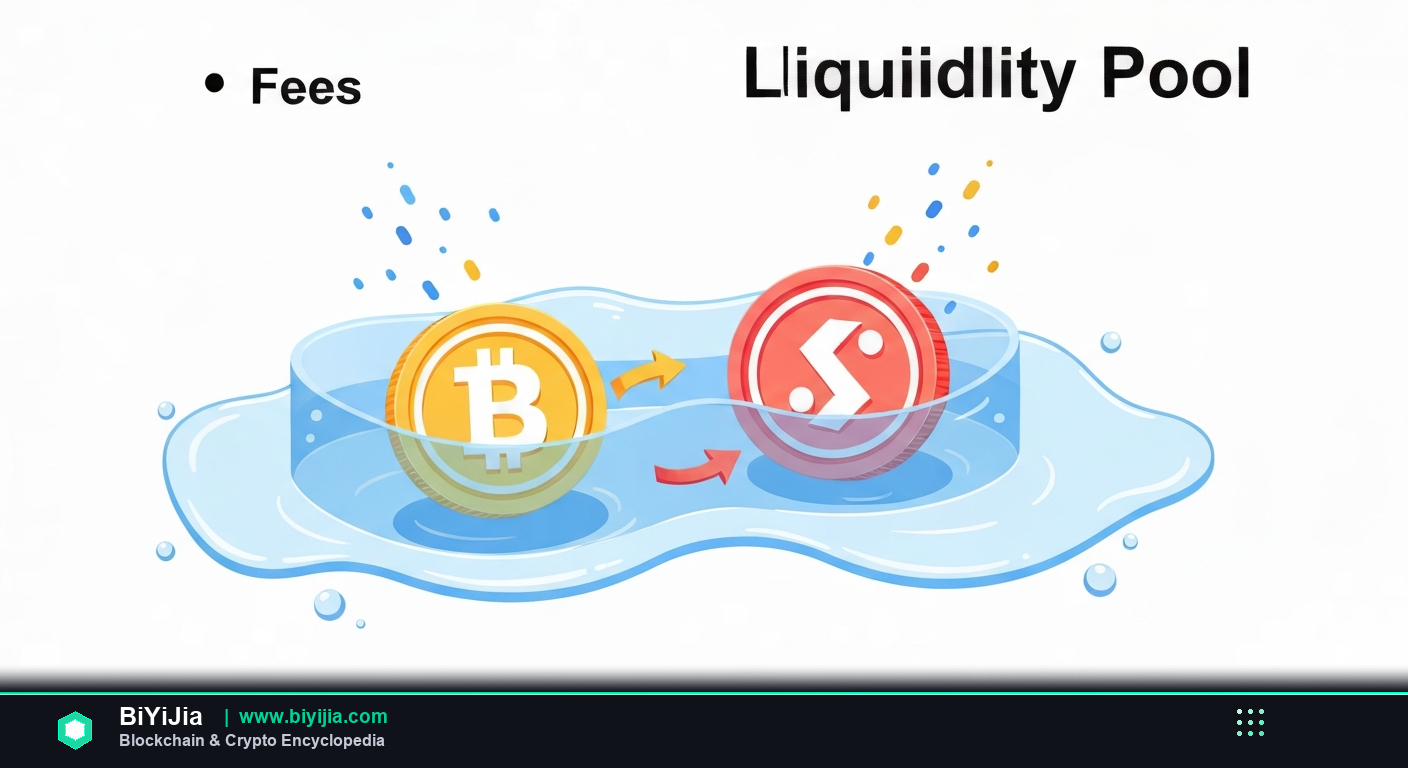
In plain English, a liquidity pool is a pool of crypto assets locked in a smart contract that lets users trade without a counter‑party.

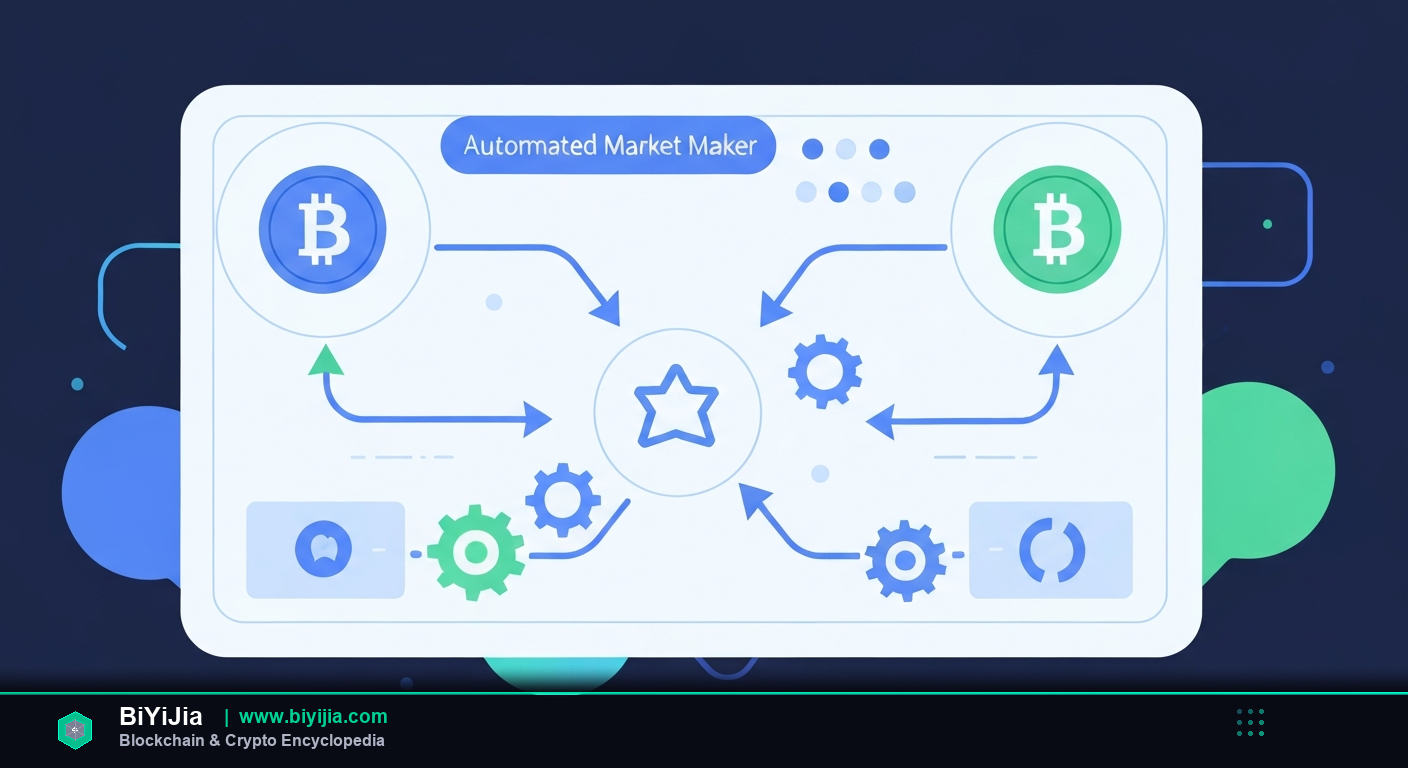
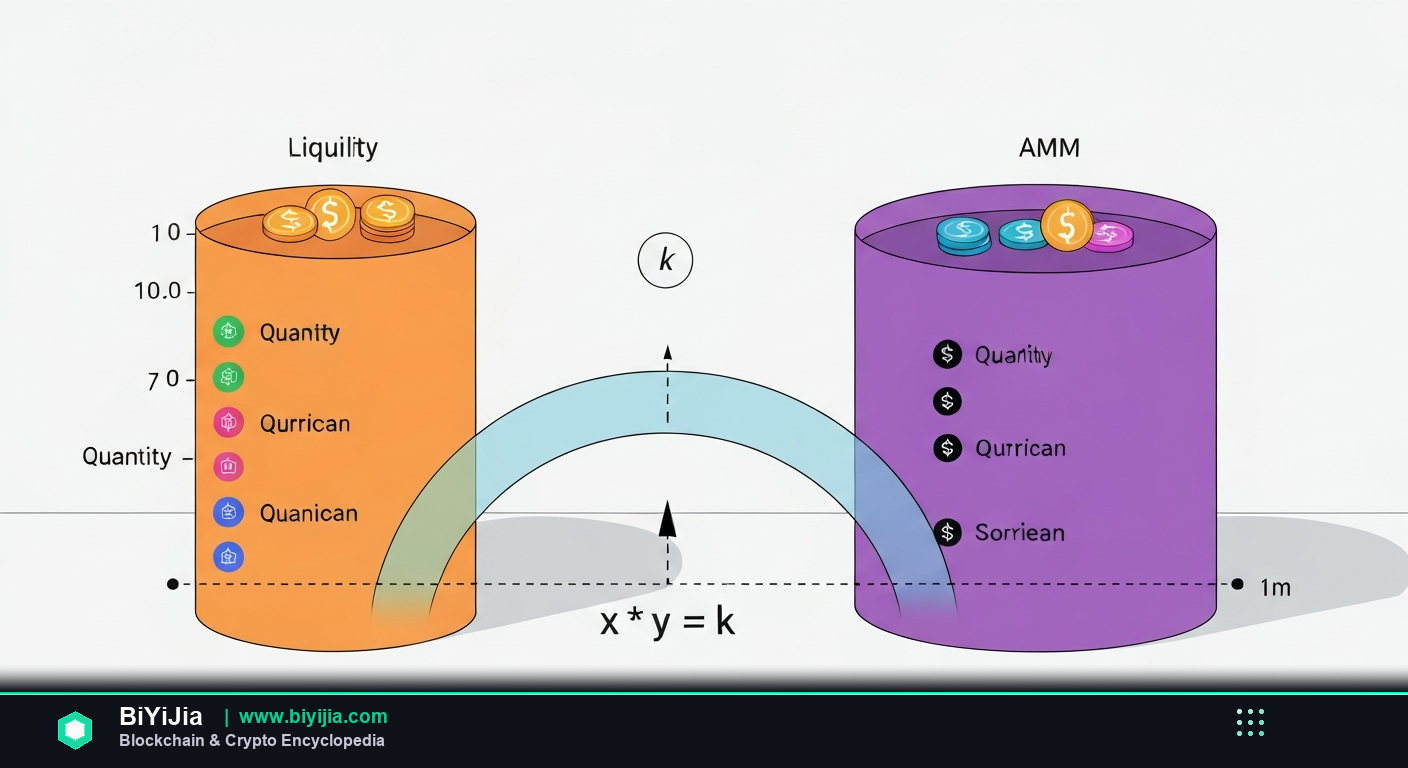
Technically, the pool is governed by an Automated Market Maker ([internal link: AMM]) algorithm that constantly recalculates prices based on the ratio of assets inside. When someone swaps token A for token B, the contract pulls A out, pushes B in, and the price adjusts to keep the product of the reserves roughly constant.
Think of it like a vending machine: you drop in a coin (token A) and the machine dispenses a snack (token B). The machine’s inventory determines which snack you get and at what price.
How It Works
- Liquidity providers (LPs) deposit equal values of two tokens into a smart contract.
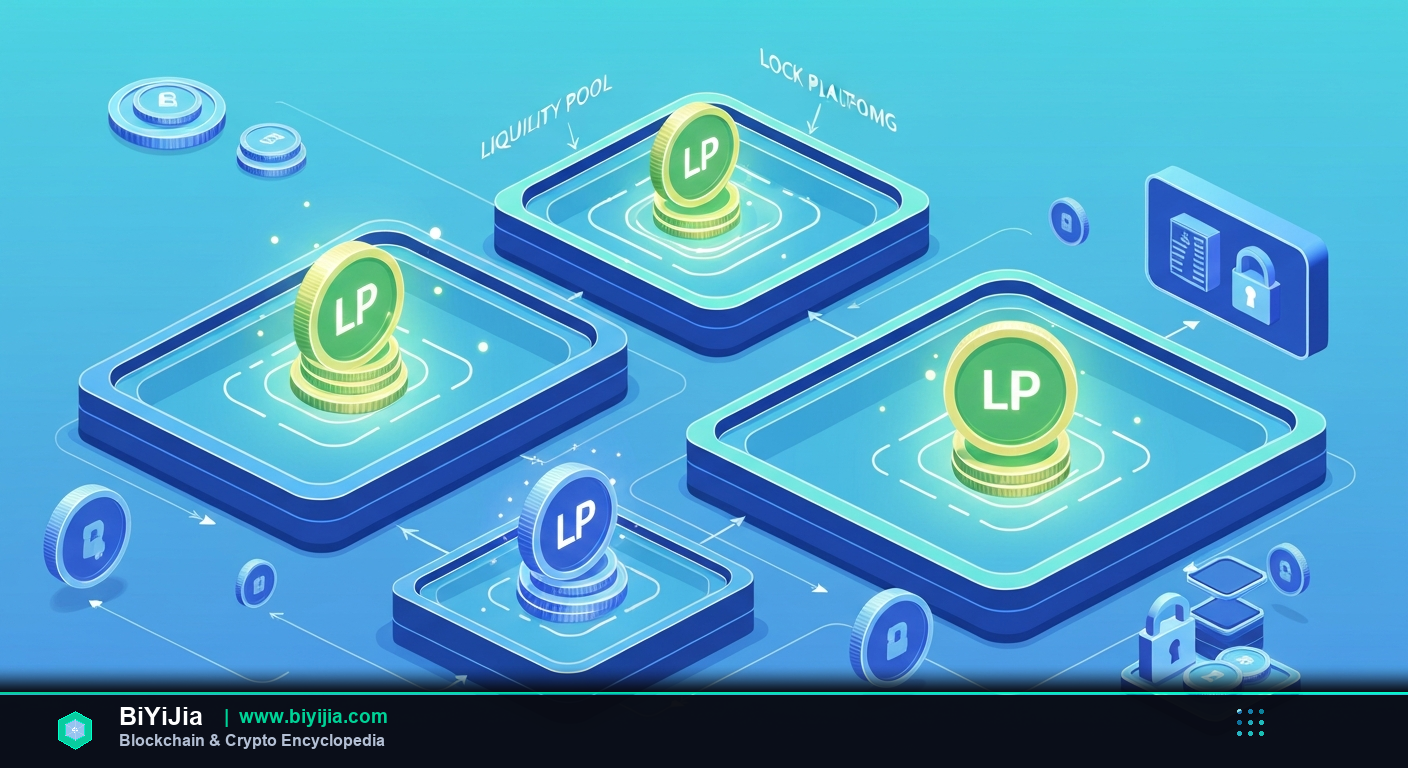
- The contract mints LP tokens representing each provider’s share of the pool.
- When a trader initiates a swap, the AMM formula (e.g., x·y=k) updates the reserves and the price.
- Fees collected on each swap are added to the pool, increasing the value of LP tokens.
- LPs can redeem their LP tokens at any time to withdraw their share plus accrued fees.
Core Features
- Constant Product Formula: Maintains the invariant x·y=k to ensure liquidity at any price point.
- LP Tokens: Represent ownership and can be staked for additional rewards.
- Permissionless Access: Anyone can add liquidity or trade without KYC.
- Fee Structure: Typically 0.3% per swap, distributed to LPs.
- Composable Smart Contracts: Pools can be used as building blocks for lending, derivatives, and more.
- Slippage Control: Traders set a maximum price impact to avoid unexpected loss.
Real-World Applications
- Uniswap: The flagship DEX that popularized crypto liquidity pools; as of Q1 2026 it hosts over $150 B in TVL.
- SushiSwap: Offers additional yield‑farming incentives on top of standard swap fees.
- Curve Finance: Optimized for stablecoin swaps, reducing slippage dramatically.
- Aave: Uses liquidity pool deposits as collateral for lending and borrowing.
- Balancer: Allows multi‑token pools with custom weightings, functioning as both AMM and index fund.
Comparison with Related Concepts
Liquidity Pool vs Order Book: A pool provides continuous pricing via an algorithm, whereas an order book relies on matched buy and sell orders from users.
Liquidity Pool vs Centralized Exchange: Pools are permissionless and on‑chain, while centralized venues hold custody of assets and set prices manually.
Liquidity Pool vs Staking: Staking locks a single token to secure a network; pooling locks pairs (or multiples) to facilitate trading.
Risks & Considerations
- Impermanent Loss: When the relative price of pooled assets diverges, LPs may earn less than simply holding.
- Smart‑Contract Bugs: Flaws can lead to total loss of funds; audits are essential.
- Regulatory Uncertainty: Some jurisdictions may treat pooled assets as securities.
- Liquidity Drain: Large withdrawals can cause price spikes and high slippage.
- Rug Pulls: Malicious creators can withdraw all assets if the contract allows admin withdrawals.
As of March 2026, total value locked (TVL) across crypto liquidity pools hit $250 B, according to DeFi Llama, marking a 12% YoY increase.
Uniswap V3 alone accounted for over 30% of all DEX trading volume in 2025, per Dune Analytics, underscoring the dominance of liquidity‑pool‑driven markets.
Frequently Asked Questions
What is a liquidity pool and why does it matter?
A liquidity pool is a smart‑contract vault of paired assets that enables automated swaps without a traditional counterpart. It matters because it fuels decentralized exchanges, reduces reliance on centralized order books, and opens up new yield opportunities for providers.
How do LP tokens work?
When you deposit assets, the protocol mints LP tokens that represent your fractional ownership. These tokens can be redeemed for the underlying assets plus accrued fees, and many platforms let you stake them for extra rewards.
Can I lose money by providing liquidity?
Yes. Impermanent loss can erode your capital if token prices diverge sharply. Additionally, smart‑contract exploits or rug pulls can result in total loss, so always assess audits and risk parameters.
Is there a minimum amount required to join a pool?
Most pools have no hard minimum; you can add as little as 0.001 ETH worth of assets. However, very small contributions may be dwarfed by transaction fees, making the net return negligible.
How does slippage affect my trade?
Slippage is the difference between the expected price and the executed price caused by pool size and trade size. Most wallets let you set a maximum slippage tolerance; if the pool can’t meet it, the transaction reverts.
Summary
Liquidity pools are the backbone of modern DeFi, providing on‑chain liquidity for swaps, lending, and synthetic assets. Understanding how they work, their benefits, and the associated risks will help you navigate the crypto liquidity pool ecosystem confidently. Explore related concepts like [internal link: AMM] and [internal link: LP Token] to deepen your knowledge.