Key Takeaways
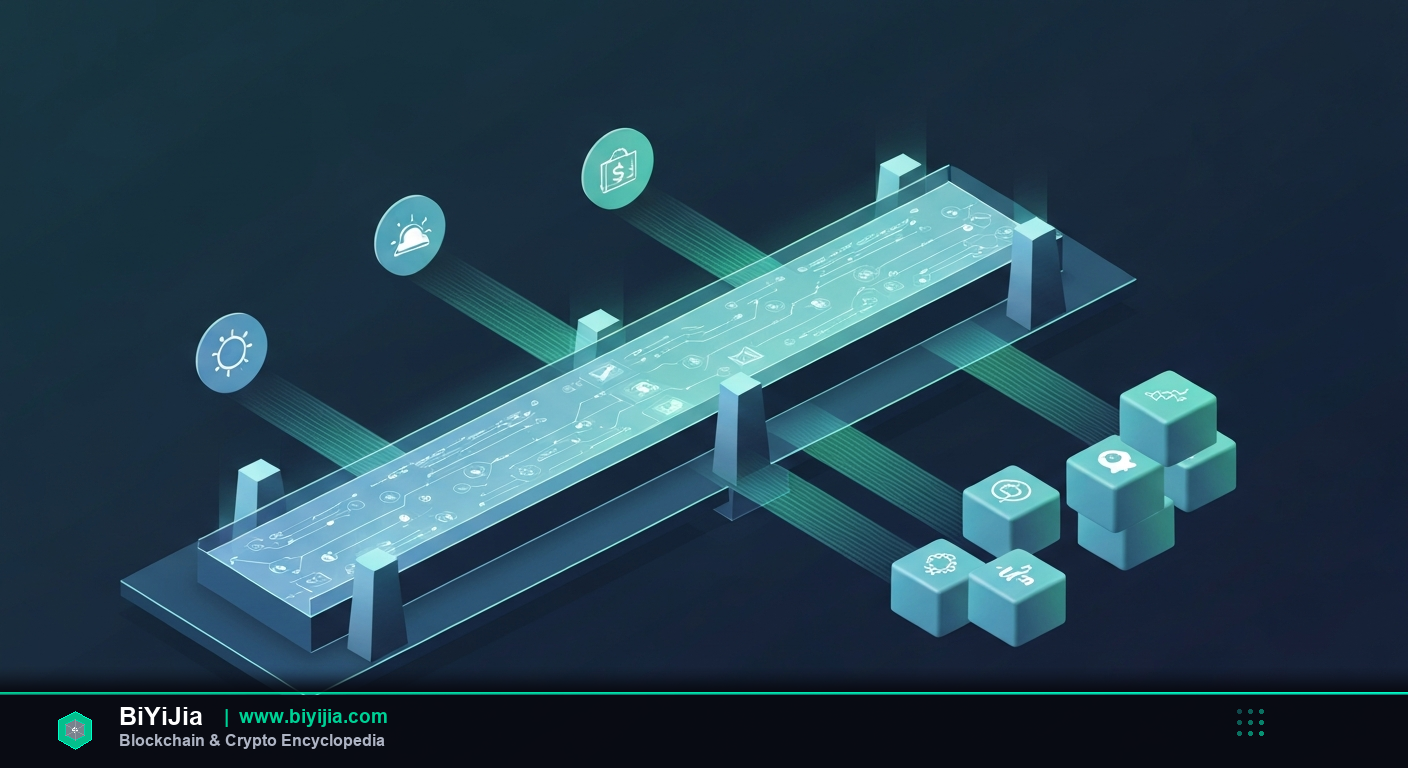
- Oracle is a bridge that feeds reliable off‑chain data into blockchain smart contracts.
- Core features include data verification, decentralization, and tamper‑proof delivery.
- Used in DeFi, insurance, gaming, and supply‑chain tracking.
- Differs from traditional APIs by providing trust‑less, cryptographically secured data.
- Risks involve centralization points, data manipulation, and latency.
What Is Oracle?
In plain language, a blockchain oracle is a service that supplies external data to smart contracts.
Technically, an oracle extracts information from the real world—like market prices, weather reports, or sports scores—verifies its integrity, and then pushes a cryptographic proof onto the blockchain so that the contract can use it without trusting any single party.
Think of an oracle like a trusted courier delivering a sealed letter; the smart contract is the recipient who needs the information but cannot step outside the secured building to fetch it themselves.
How It Works
- Data request: A smart contract emits an event signaling the type of data it needs, such as a token price.
- Oracle node fetches: A network of oracle nodes queries the relevant off‑chain source—say a price feed API.
- Verification & aggregation: Nodes independently verify the data and use a consensus algorithm to agree on a final value.
- Proof generation: The agreed value is packaged with a cryptographic proof that can be validated on‑chain.
- Delivery: The proof is posted to the blockchain, where the original contract reads the data and continues execution.
Core Features
- Decentralized Data Sources: Multiple independent nodes pull information, reducing reliance on a single point of failure.
- Cryptographic Proofs: Data is accompanied by signatures or zero‑knowledge proofs that guarantee authenticity.
- Real‑Time Updates: Oracles can push frequent updates, enabling dynamic contracts like perpetual futures.
- Customizable SLA: Service Level Agreements let developers set latency and accuracy thresholds.
- Off‑Chain Computation: Complex calculations can be performed off‑chain, then the result is fed back securely.
- Reliability Guarantees: Reputation systems and staking mechanisms incentivize honest behavior.
Real-World Applications
- Chainlink – The leading decentralized oracle network, providing price feeds for over 500 DeFi protocols; its 2025 Q4 volume topped $2.3 billion (Chainlink Annual Report 2025).
- Aave – Uses Chainlink price feeds to determine collateral values for its lending pools, ensuring liquidations happen at correct thresholds.
- UMA – Leverages oracle designs for synthetic asset contracts, allowing users to create tokenized real‑world derivatives.
- Insurance Protocol Nexus Mutual – Pulls weather data from trusted meteorological services to trigger payouts for crop insurance.
- Gaming platform Axie Infinity – Integrates oracle‑driven token price feeds to stabilize in‑game economies across multiple blockchains.
Comparison with Related Concepts
Oracle vs API: An API simply returns data; an oracle adds trust‑lessness, cryptographic proof, and on‑chain delivery, turning a raw feed into a verifiable input for smart contracts.
Oracle vs Traditional Data Oracle (e.g., database): Traditional databases are centralized and cannot be directly trusted by decentralized contracts, whereas blockchain oracles are built to operate without a central authority.
Risks & Considerations
- Centralization Risk: If too few nodes supply data, a single actor could manipulate the outcome.
- Data Manipulation: Off‑chain sources might be compromised; oracle networks mitigate this by aggregating multiple feeds.
- Latency: Time‑sensitive contracts can suffer if the oracle’s update cycle is slow, leading to missed opportunities.
- Economic Attack: Bad actors may bribe oracle operators; staking and slashing mechanisms aim to deter this.
- Regulatory Exposure: Oracles delivering regulated data (e.g., securities prices) may fall under jurisdictional scrutiny.
Embedded Key Data
According to the 2025 State of Oracles report, 78 % of DeFi protocols rely on at least one decentralized oracle for price discovery.
Chainlink’s decentralized network processed over 1.5 million data requests daily in Q1 2026, showcasing its scalability (Chainlink Transparency Dashboard).
Frequently Asked Questions
What is a blockchain oracle and why do I need one?
A blockchain oracle is a bridge that brings real‑world data onto a blockchain, allowing smart contracts to react to external events. Without an oracle, contracts are confined to on‑chain information, limiting use cases to token transfers and internal state changes.
How does a decentralized oracle differ from a centralized one?
Decentralized oracles aggregate data from many independent nodes, using consensus and staking to ensure honesty. Centralized oracles rely on a single provider, which reintroduces trust and single‑point‑of‑failure risks that blockchains aim to avoid.
Can I build my own oracle?
Yes, developers can create custom oracles by running a node that fetches data, signs it, and writes it to the blockchain. However, achieving the same security guarantees as established networks like Chainlink requires robust infrastructure and economic incentives.
Do oracles affect transaction costs?
Oracle calls add gas overhead because the contract must store and verify the incoming data. Some networks offer fee‑subsidized oracle services, but generally, more frequent updates increase total transaction costs.
What are Price Feeds and how are they related to oracles?
Price Feeds are standardized data streams—usually asset prices—delivered by oracle networks. They are a core product of many oracle providers, enabling DeFi platforms to price collateral, calculate liquidations, and settle trades.
Summary
Oracle technology is the essential middleware that connects blockchain smart contracts to the outside world, turning static code into dynamic, data‑driven agreements. Understanding how oracles work, their features, and associated risks is key for anyone building or using DeFi, insurance, gaming, or supply‑chain solutions. Explore related concepts like Chainlink, Price Feed, Off‑Chain Data, and Reliable Data to deepen your grasp of the ecosystem.