Key Takeaways
- Definition: A whitepaper is a formal document that explains a blockchain project's problem, solution, and token model.
- Core features: Includes technical architecture, tokenomics, roadmap, and legal disclaimer.
- Real‑world use: Investors and developers use it to assess viability before an ICO or token launch.
- Traditional counterpart: Similar to a business plan but focused on cryptographic protocols and decentralized economics.
- Risk warning: Over‑hyped whitepapers can mask weak fundamentals, leading to scams.
What Is Whitepaper?
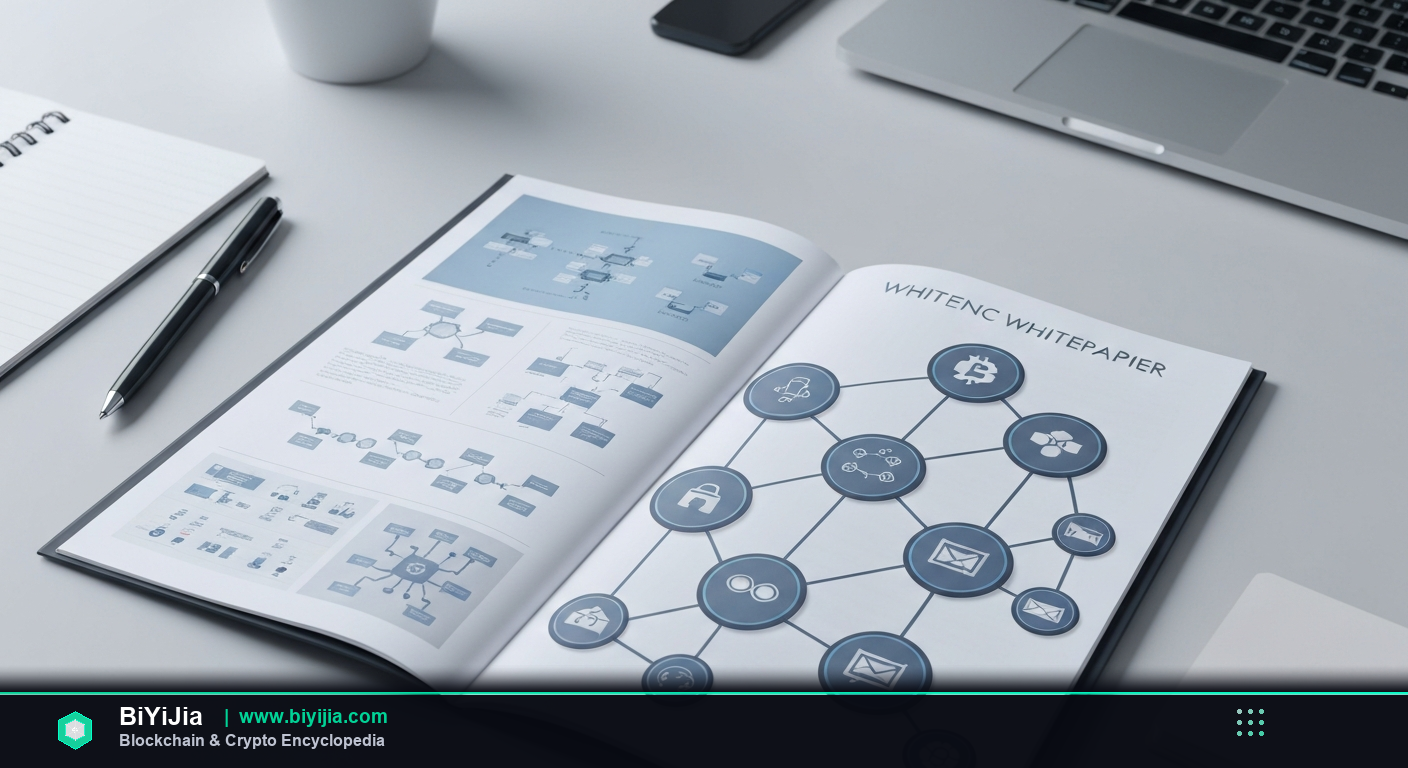
In plain English, a whitepaper is a detailed pitch document that explains what a blockchain project aims to do and how it plans to do it.
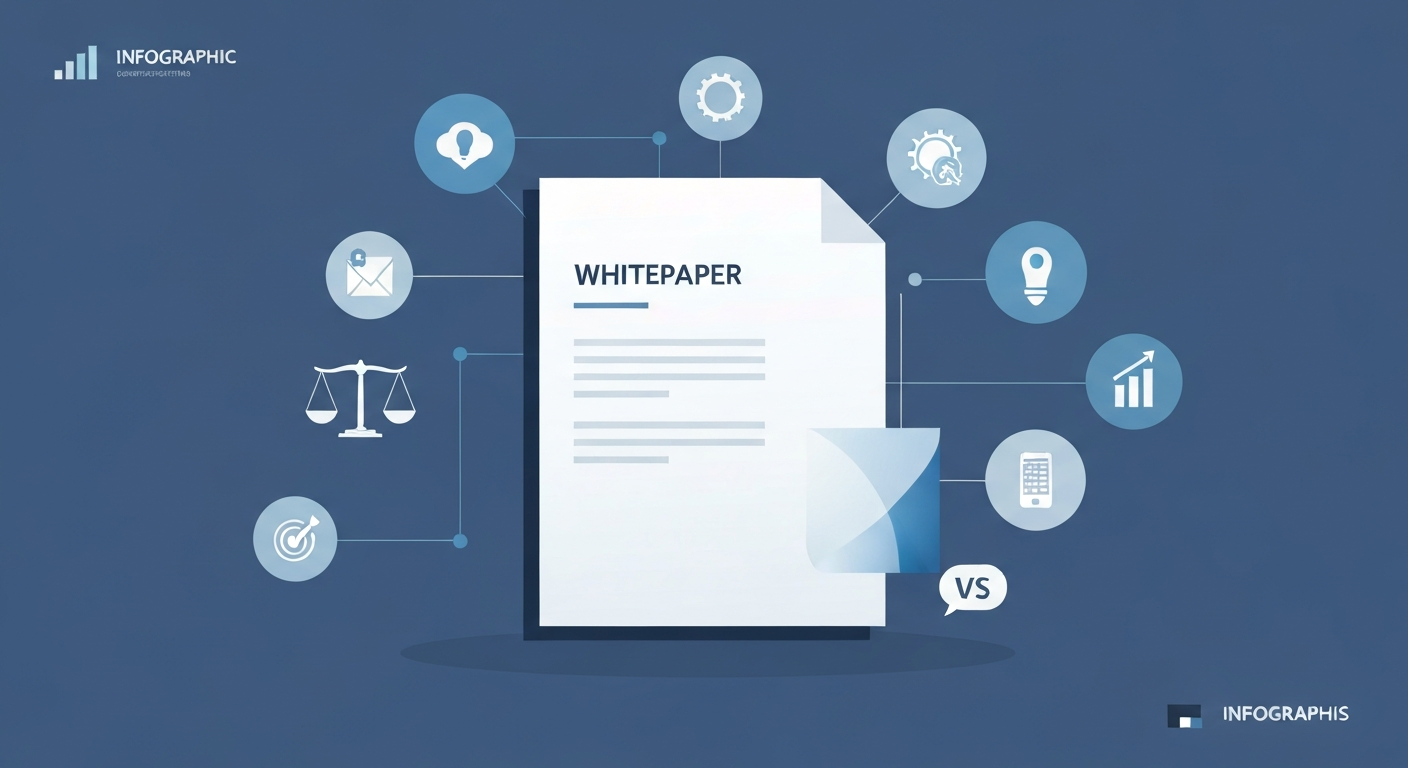
Technically, the document breaks down the consensus mechanism, smart‑contract logic, and token distribution model in a way that both developers and investors can verify. It often references cryptographic primitives, gas economics, and scaling solutions, but the goal is to keep the language accessible enough for a non‑technical stakeholder to grasp the value proposition.
Think of a whitepaper like a recipe card for a new dish: it lists the ingredients (tokens, technology), the steps (protocol flow), and the expected flavor (use case). Just as a chef’s recipe helps you decide whether to try the meal, a whitepaper helps you decide whether to allocate capital.
How It Works
- Problem identification: The authors start by describing a market inefficiency or a technical limitation that existing blockchains haven’t solved.
- Solution design: They outline the proposed protocol, including consensus algorithm, data structures, and any novel cryptography.
- Tokenomics articulation: The paper details token supply, distribution schedule, utility, and incentive mechanisms.
- Roadmap & milestones: A timeline of development phases, testnet launches, and mainnet rollout is provided.
- Legal & compliance notes: Most modern whitepapers include a disclaimer about regulatory status and investor risk.
Core Features
Technical Architecture: Describes the stack—from networking layer to virtual machine—so readers can gauge scalability and security.
Tokenomics: Breaks down total supply, inflation/deflation mechanisms, and how tokens fuel the ecosystem.
Roadmap: Shows short‑ and long‑term milestones, helping investors track progress against promises.
Governance Model: Explains how decisions are made, whether through on‑chain voting, DAO structures, or off‑chain committees.
Legal Disclaimer: Clarifies jurisdictional compliance and warns that the token may be a security.
Use‑Case Illustration: Provides concrete examples of how the protocol solves real problems for users or enterprises.
Real‑World Applications
- Ethereum: The original blockchain whitepaper introduced a Turing‑complete virtual machine; today it powers over 30,000 dApps and processes >1 billion transactions per year (Etherscan, 2025).
- Polkadot: Its whitepaper detailed a heterogeneous multi‑chain framework; the network now hosts 1,200 parachains with a combined TVL of $12 billion (Polkadot Treasury, 2025).
- Chainlink: The project whitepaper explained decentralized oracle services; Chainlink secures $15 billion in on‑chain data feeds (Chainlink Market Report, Q1 2026).
- Avalanche: The blockchain whitepaper highlighted a novel consensus called Snowman; Avalanche processes 4,500 TPS and has >600 validators (Avalanche Docs, 2025).
- Uniswap: Its whitepaper presented an automated market maker; daily swap volume regularly exceeds $2 billion (Dune Analytics, 2026).
Comparison with Related Concepts
Whitepaper vs ICO: A whitepaper is the informational backbone; an ICO (Initial Coin Offering) is the fundraising event that often uses the whitepaper as its marketing material. While the whitepaper explains the technology, the ICO focuses on token sale terms.
Whitepaper vs Project Evaluation: Project evaluation is an external analysis—often done by analysts or investors—whereas the whitepaper is the project's own narrative. Evaluation may confirm or dispute claims made in the whitepaper.
Whitepaper vs Tokenomics: Tokenomics is a subsection of the whitepaper that dives deep into supply curves, utility, and incentives. You can’t have tokenomics without a whitepaper, but you can have a whitepaper without a detailed tokenomics model (though that’s a red flag).
Whitepaper vs Roadmap: The roadmap is a timeline embedded inside the whitepaper; it translates technical milestones into calendar dates. A roadmap alone lacks the technical justification that a whitepaper provides.
Risks & Considerations
Over‑optimistic Projections: Many whitepapers promise unrealistic adoption rates; always compare claims with market data.
Vague Technical Details: If the architecture is described in buzzwords without concrete algorithms, the project may lack substance.
Tokenomics Manipulation: Hidden inflation schedules or excessive founder allocations can dilute early investors.
Regulatory Exposure: A whitepaper that omits legal disclaimer may attract scrutiny from securities regulators.
Plagiarism & Copy‑Paste: Some projects recycle sections from older whitepapers, indicating a lack of originality.
Embedded Key Data
According to Messari’s 2024 State of Crypto report, 68% of all token sales were preceded by a publicly released whitepaper, underscoring its role as a credibility marker. A separate Deloitte study in 2025 found that projects with a comprehensive whitepaper were 2.3× more likely to reach their stated roadmap milestones than those without.
Frequently Asked Questions
What is a crypto whitepaper and why does it matter?
A crypto whitepaper is a formal document that outlines a blockchain project's problem, solution, technical design, and token model. It matters because it provides the first line of due diligence for investors, developers, and regulators, helping them assess whether the idea is viable or just hype.
How long should a good whitepaper be?
Length varies, but most effective whitepapers fall between 15 and 40 pages. The key is depth over fluff—clear explanations of consensus, tokenomics, and roadmap are essential, while excessive marketing copy can dilute credibility.
Can I rely solely on a whitepaper to invest?
Never. A whitepaper is a starting point. Pair it with independent [internal link: Project Evaluation], community sentiment, and on‑chain metrics before committing capital.
Do all blockchain projects publish a whitepaper?
Most serious projects do, especially those planning an ICO or token launch. However, some DeFi protocols launched with minimal documentation, relying on open‑source code and community audits instead.
How often are whitepapers updated?
Reputable teams release revised whitepapers when major protocol upgrades occur—think Ethereum’s transition from PoW to PoS, which was accompanied by a comprehensive technical addendum.
Is a whitepaper the same as a roadmap?
No. The roadmap is a timeline of milestones embedded within the whitepaper. While the roadmap tells you *when* things will happen, the whitepaper explains *how* and *why* they will happen.
Summary
In short, a whitepaper is the foundational document that spells out a blockchain project's vision, technology, and token economics. Understanding it is crucial for anyone looking to navigate the crypto landscape, and it naturally leads you to explore related concepts like [internal link: ICO], [internal link: Project Evaluation], [internal link: Tokenomics], and [internal link: Roadmap].