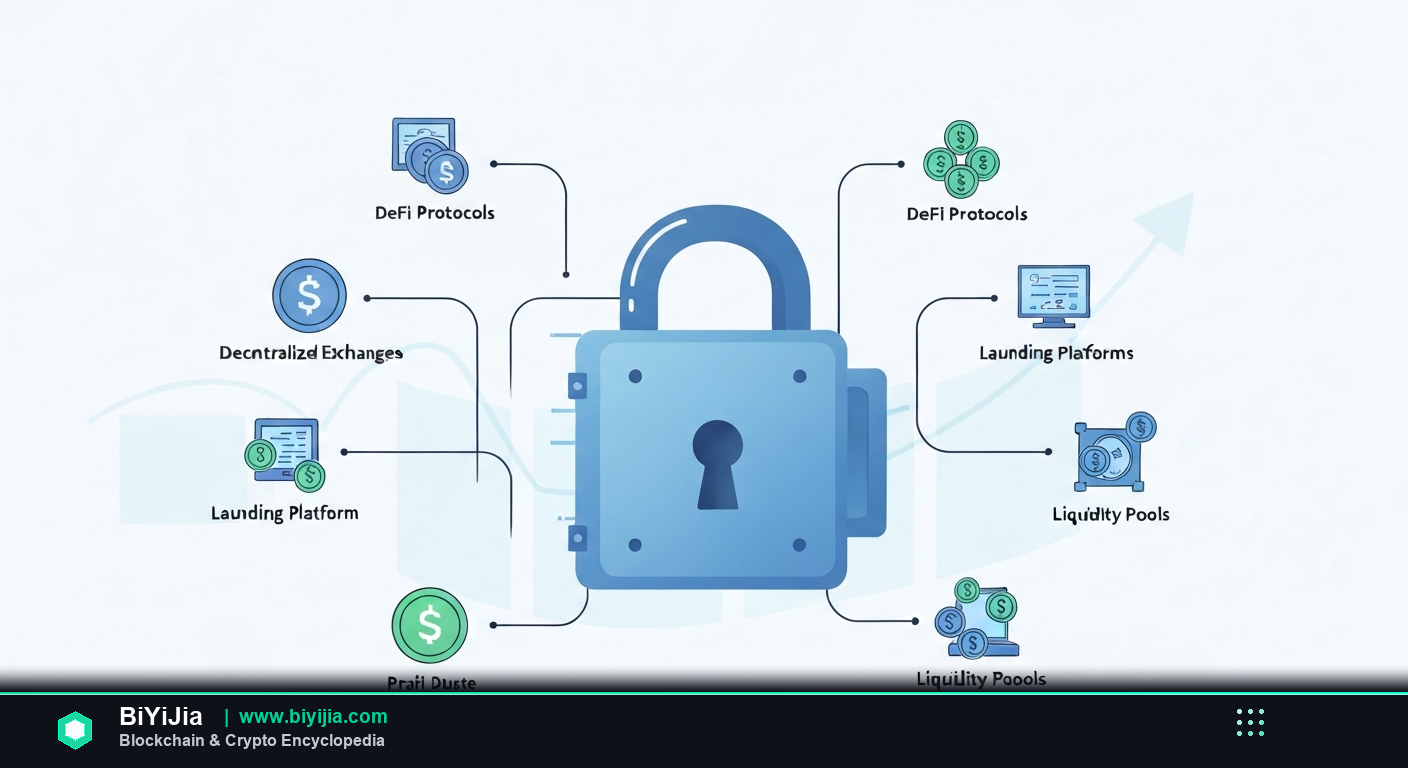
Key Takeaways
- Definition: TVL measures the total value of assets locked in a DeFi protocol.
- Core Feature: It aggregates tokens across smart contracts, reflecting user confidence.
- Real‑World Use: Rankings on sites like DeFiLlama rely on TVL to compare platforms.
- Traditional Comparison: Unlike a bank’s balance sheet, TVL is transparent and on‑chain.
- Risk Warning: High TVL doesn’t guarantee safety; smart‑contract bugs can wipe out value.
What Is TVL (Total Value Locked)?
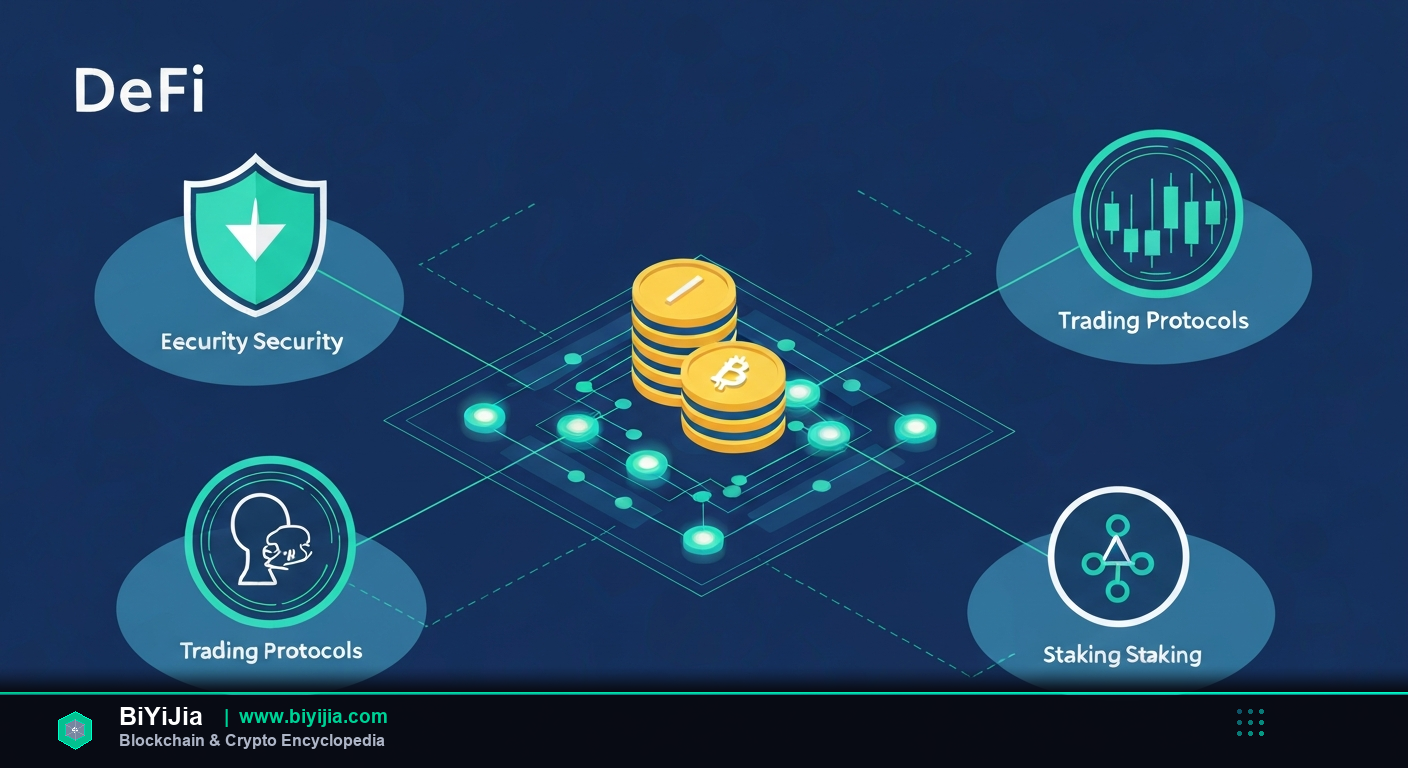
TVL (Total Value Locked) is the sum of all assets currently deposited in a DeFi protocol, expressed in USD or a stablecoin.
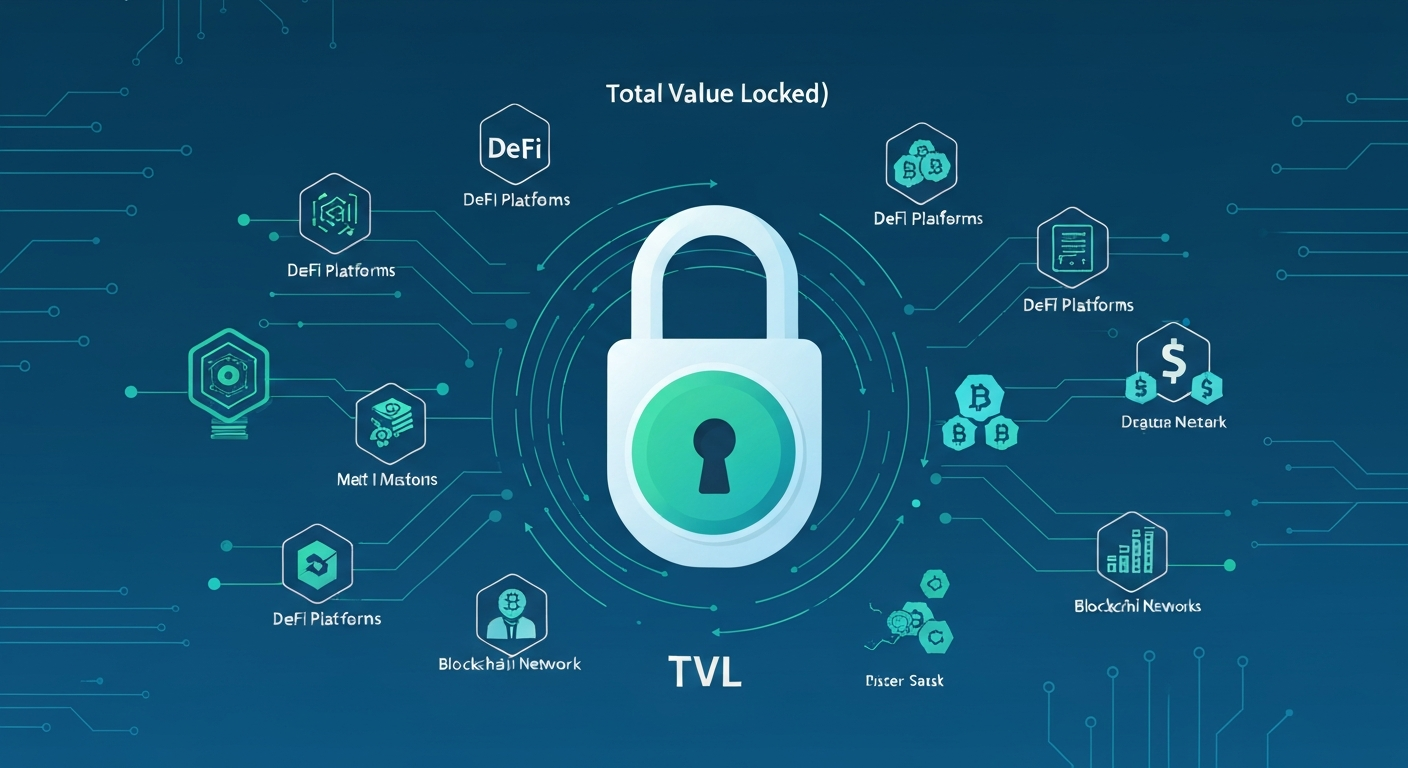
In plain terms, every token you see staked, lent, or provided as liquidity is counted, and the protocol’s smart contracts continuously report those balances. The calculation pulls price data from oracles, multiplies each token amount by its market price, and aggregates the results. Because the data lives on‑chain, anyone can verify it without trusting a middleman.
Think of TVL like the total amount of cash you’d find in a physical marketplace’s escrow booths. The more merchants and shoppers lock money there, the busier and more trustworthy the market appears.
How It Works
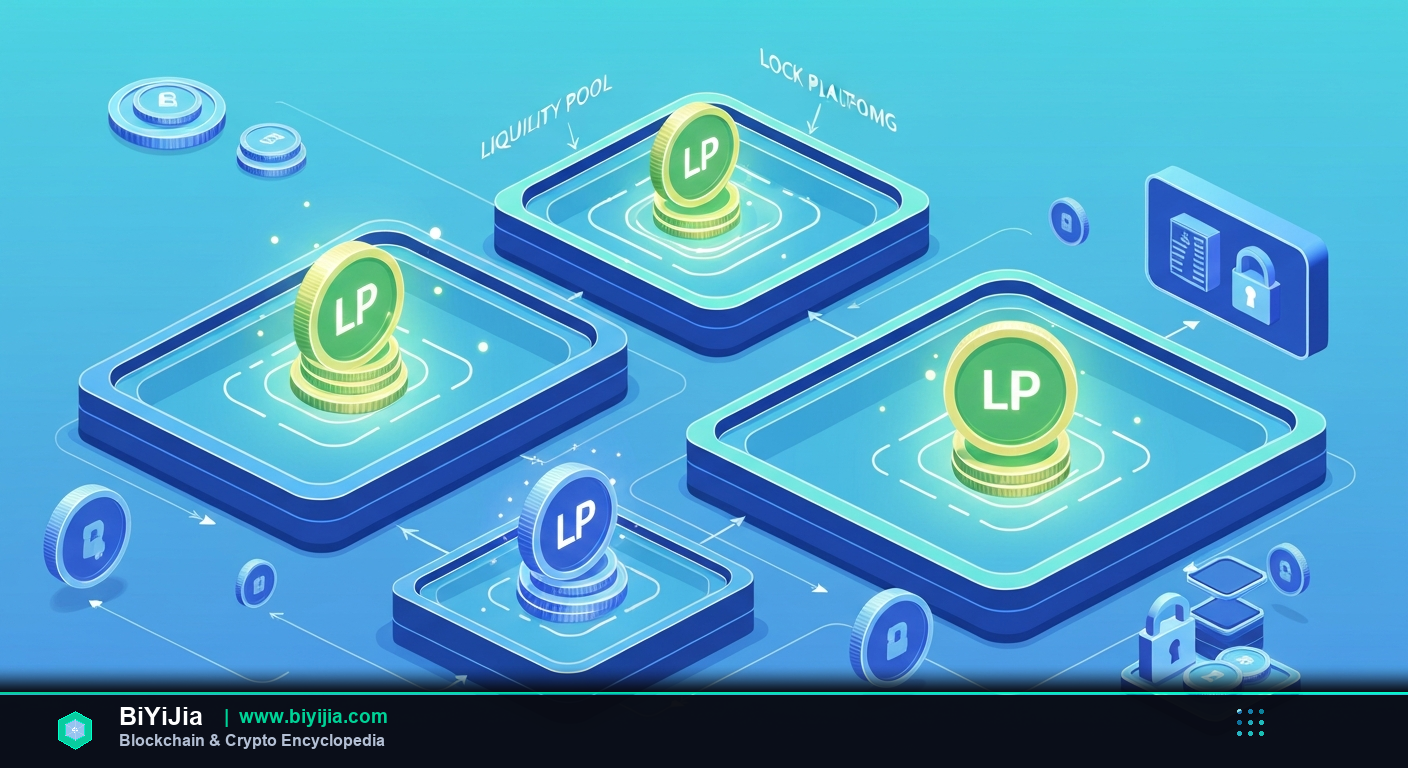
- Users send tokens to a protocol’s smart contract (e.g., a liquidity pool or lending vault).
- The contract records the exact token balances on the blockchain.
- Price oracles fetch real‑time market rates for each token.
- The protocol multiplies each balance by its price, sums the results, and publishes the TVL figure.
- Analytics dashboards pull this published number to update rankings and charts.
Core Features
- Transparency: All locked assets are visible on the public ledger.
- Real‑Time Updates: TVL changes instantly as users deposit or withdraw.
- Cross‑Chain Compatibility: Modern aggregators include assets from multiple L1s and L2s.
- Standardized Metric: The community uses TVL as a common yardstick for protocol health.
- Price Oracle Dependency: Accurate TVL hinges on reliable market data feeds.
- Comparability: TVL enables side‑by‑side ranking of DeFi projects.
Real-World Applications
- Uniswap – The leading decentralized exchange, holding roughly $12 billion in TVL across its V3 pools (2026 Q1).
- Aave – A lending platform with about $8 billion in TVL, showcasing the demand for permissionless borrowing.
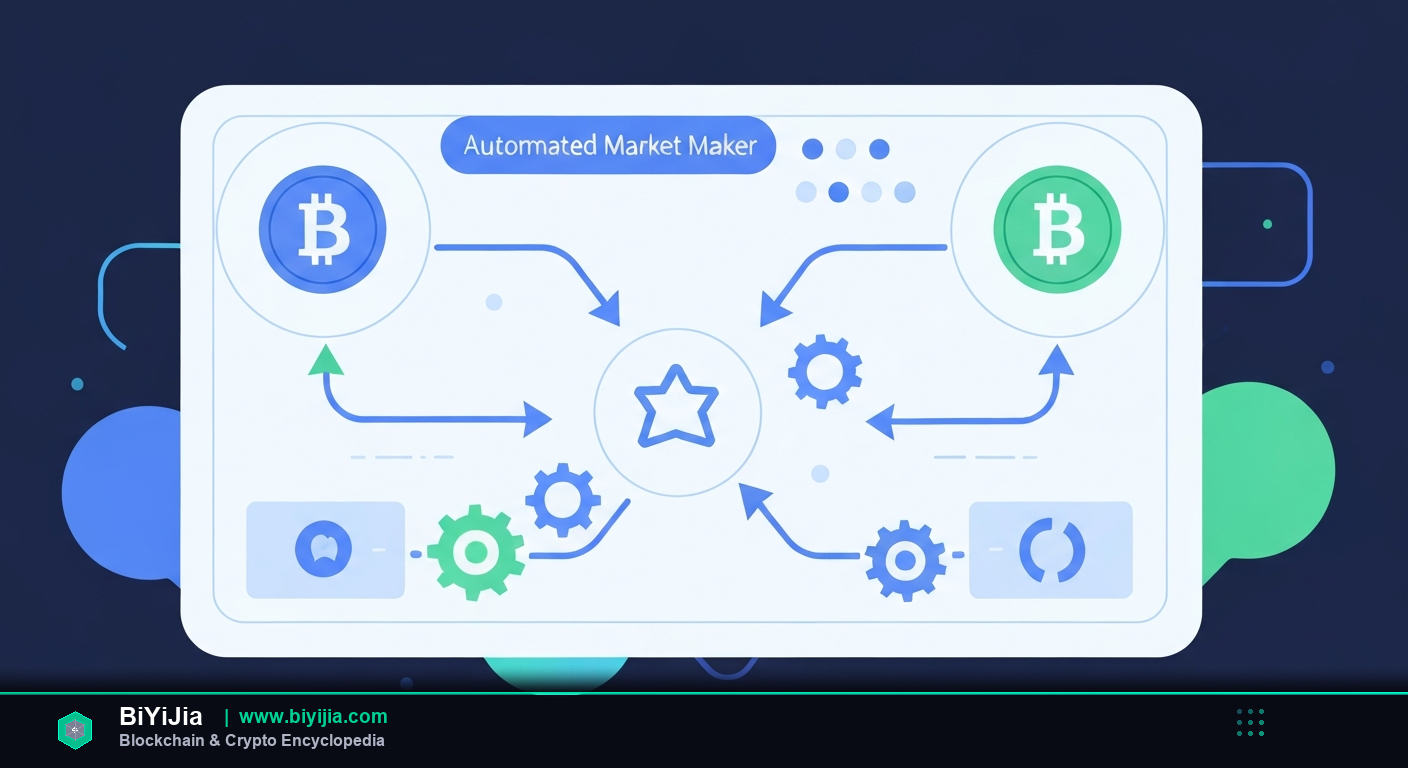
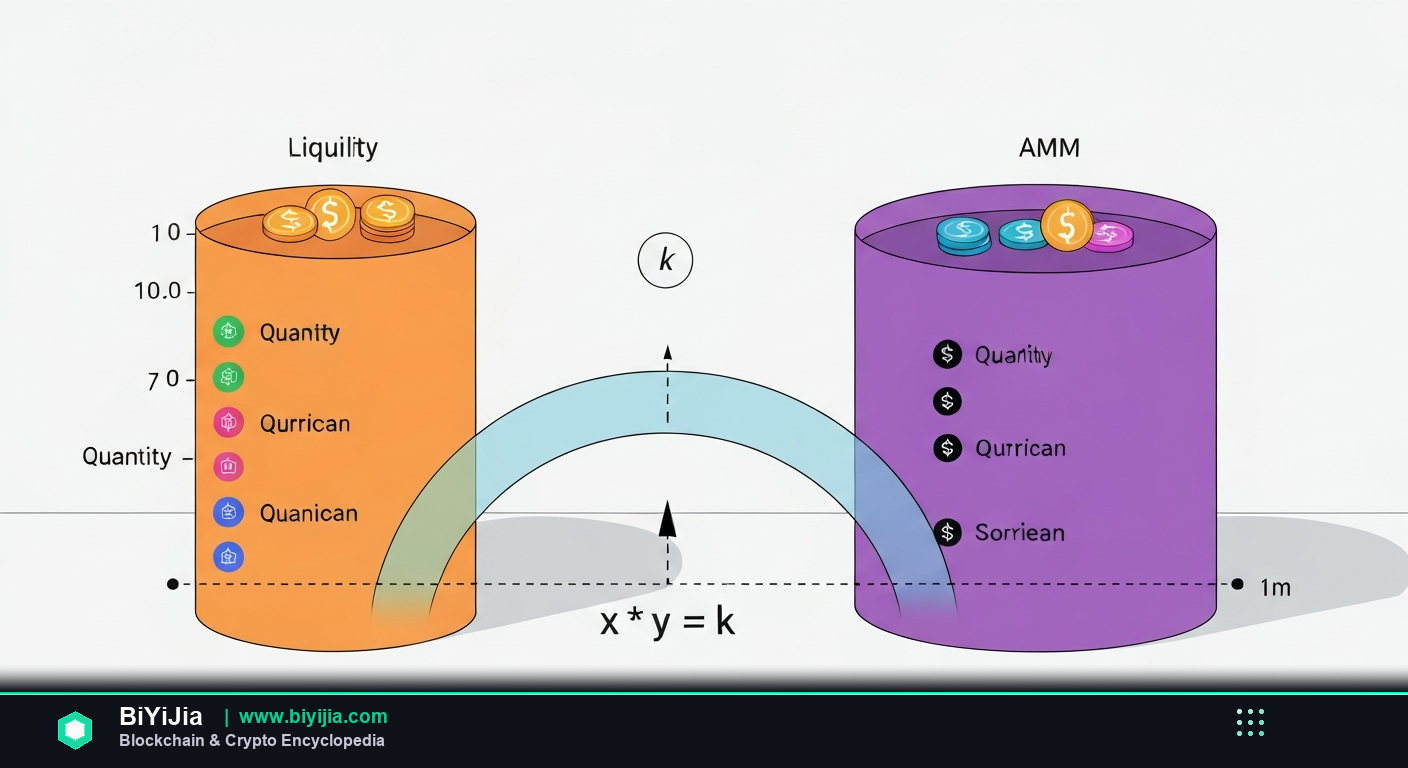
- Curve – Stablecoin‑focused AMM, locking $6 billion, primarily used for low‑slippage swaps.
- MakerDAO – The original collateralized debt system, maintaining $5 billion in TVL for its DAI stablecoin.
- Yearn Finance – An automated yield optimizer aggregating $3 billion from various strategies.
Comparison with Related Concepts
TVL vs Market Capitalization: Market cap measures the total value of a token’s circulating supply, while TVL measures the value of assets actually being used inside a protocol. A high market cap with low TVL can indicate speculative holding rather than active utility.
TVL vs Total Issuance: Total issuance counts all tokens minted by a project, regardless of where they sit. TVL only counts tokens that are locked in smart contracts, providing a more activity‑focused view.
Risks & Considerations
- Smart‑Contract Vulnerabilities: Bugs or exploits can drain locked assets, instantly collapsing TVL.
- Oracle Manipulation: If price feeds are spoofed, TVL can be artificially inflated or deflated.
- Liquidity Freeze: Certain protocols may lock assets for long periods, making TVL appear high while users cannot withdraw.
- Regulatory Shock: New laws targeting specific asset classes can force sudden withdrawals, slashing TVL.
- Misleading Growth: Rapid TVL spikes driven by one‑off incentives (e.g., airdrops) may not reflect sustainable usage.
According to DeFiLlama, the global DeFi TVL reached $90 billion in February 2026, up 12% from the previous month. Meanwhile, Dune Analytics reports that Uniswap alone contributed about 13% of that total, cementing its role as the liquidity backbone of the ecosystem.
Frequently Asked Questions
What does TVL tell me about a protocol’s health?
TVL is a snapshot of how much capital users trust a protocol with at any moment. A growing TVL generally signals increasing adoption, but it doesn’t guarantee security; you still need to assess code audits and governance.
How is TVL calculated for multi‑chain projects?
Each chain’s assets are evaluated separately using native price oracles, then converted to a common denominator (usually USD) before being summed. Aggregators like DeFiLlama handle the cross‑chain conversion automatically.
Can TVL be manipulated?
Yes. Projects can temporarily boost TVL by offering large rewards that attract short‑term deposits. Additionally, oracle attacks can distort price inputs, leading to inflated TVL numbers.
Why does TVL matter for investors?
Investors use TVL to gauge network effect and liquidity depth. A high TVL often correlates with lower slippage on trades and more robust yield opportunities, making the protocol more attractive.
Is TVL the same as total assets under management (AUM)?
Not exactly. AUM usually refers to assets managed by a traditional fund, including off‑chain holdings. TVL strictly counts on‑chain assets locked in smart contracts.
Summary
TVL (Total Value Locked) quantifies the total capital secured in a DeFi protocol, serving as a quick health indicator for both users and analysts. Understanding TVL helps you compare platforms, spot trends, and assess risk across the rapidly evolving DeFi landscape, where terms like DeFi, Protocol Ranking, and DeFiLlama frequently intersect.